Dwarikas Luxury Heritage Hotel in Kathmandu
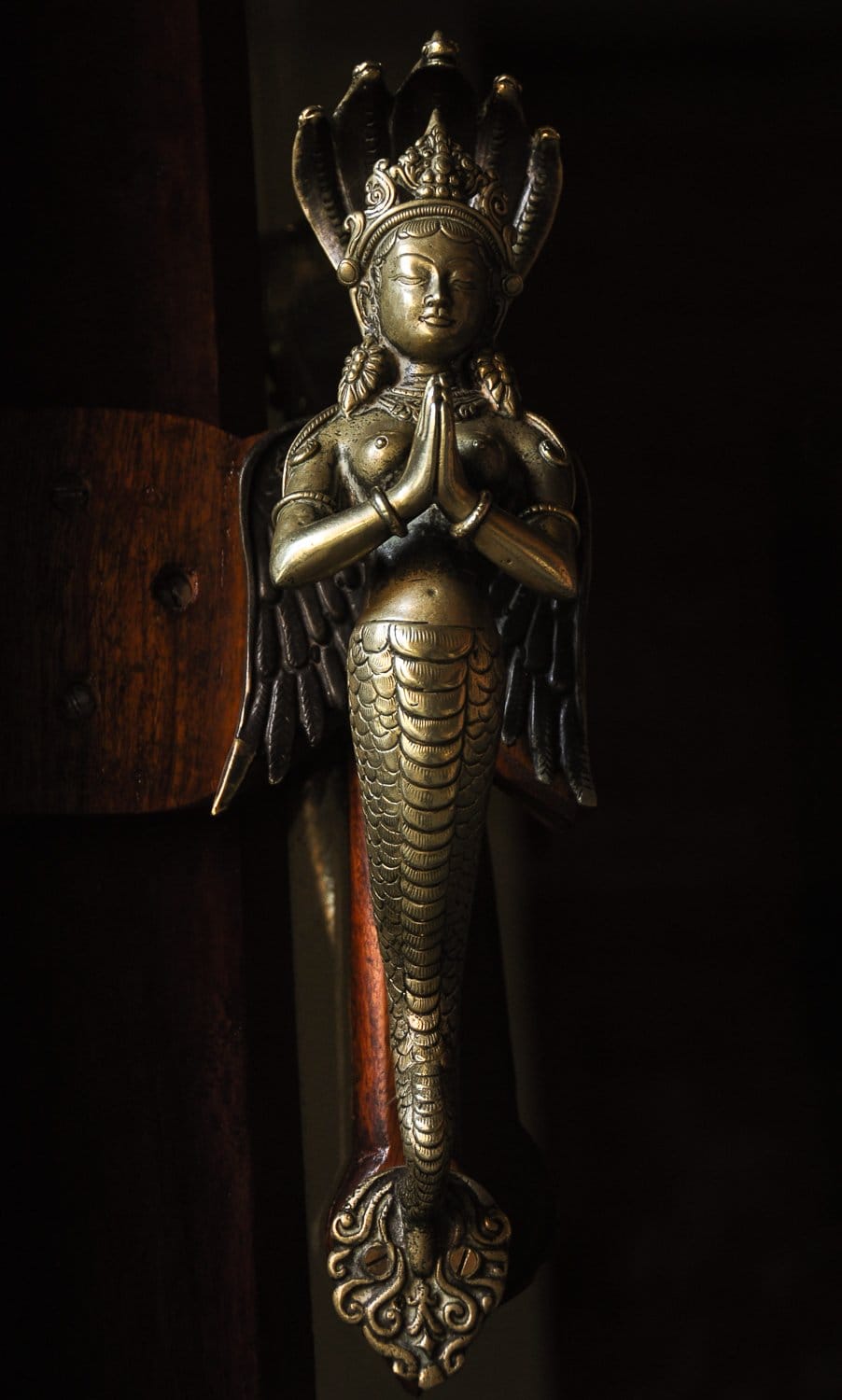
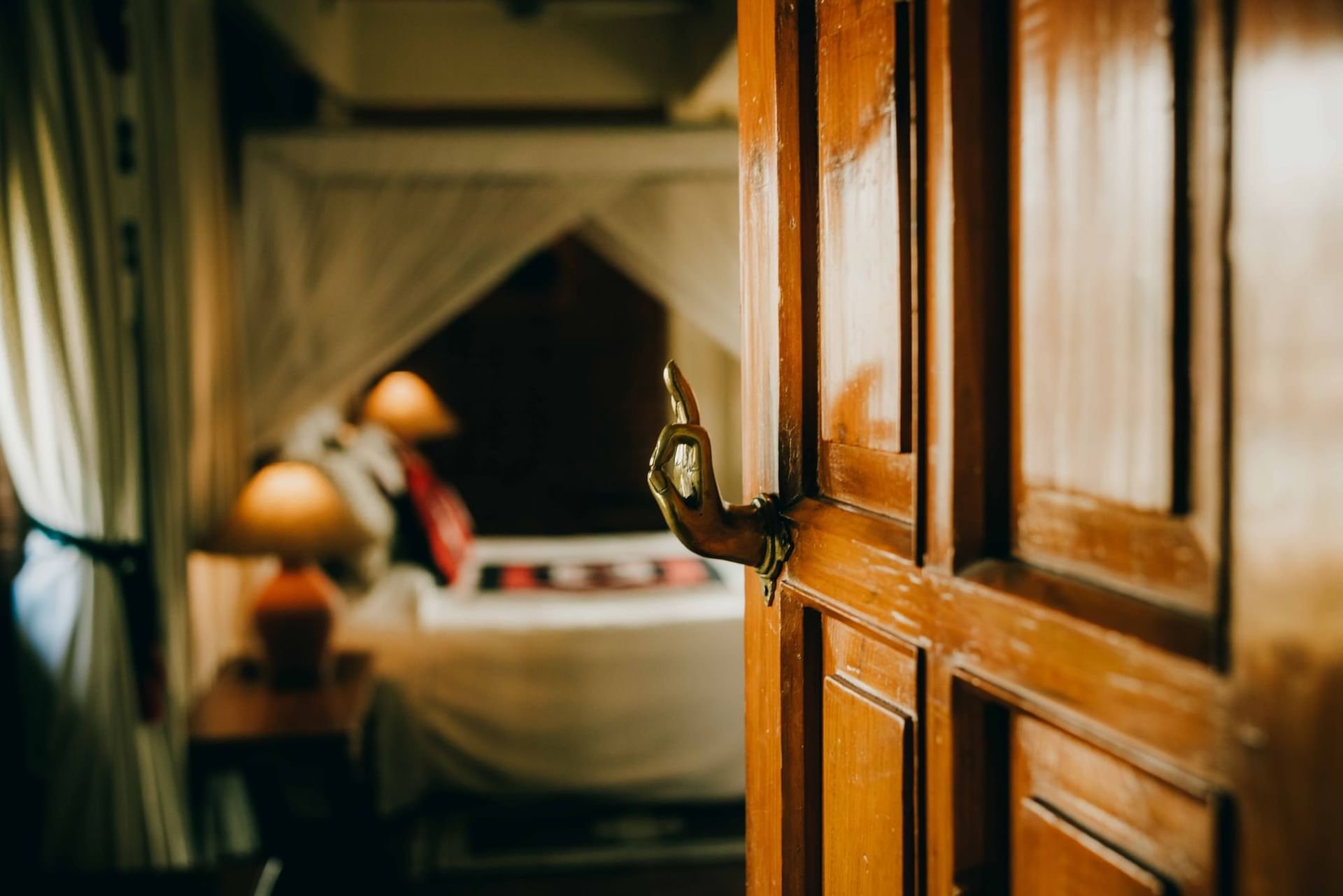
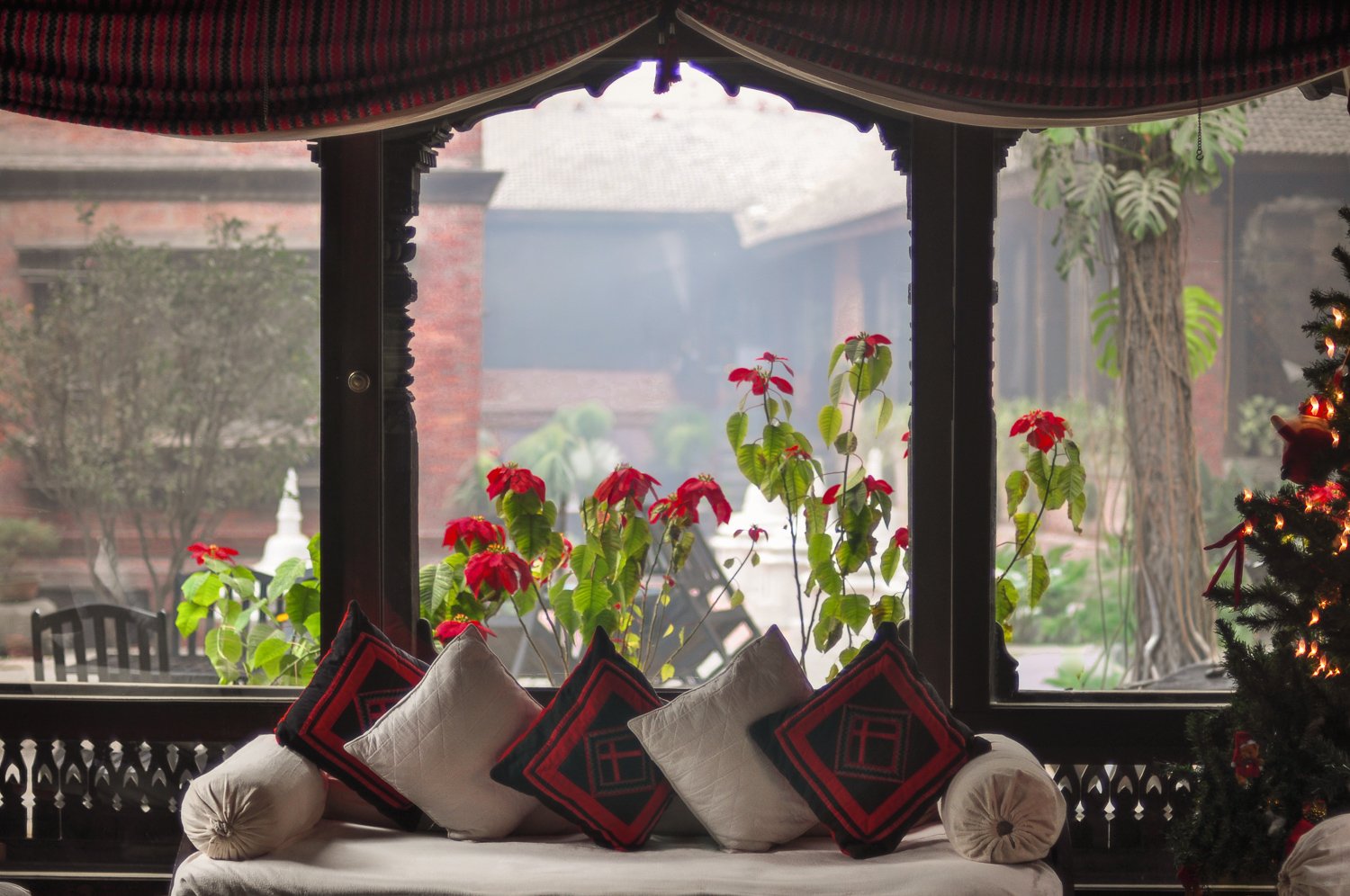
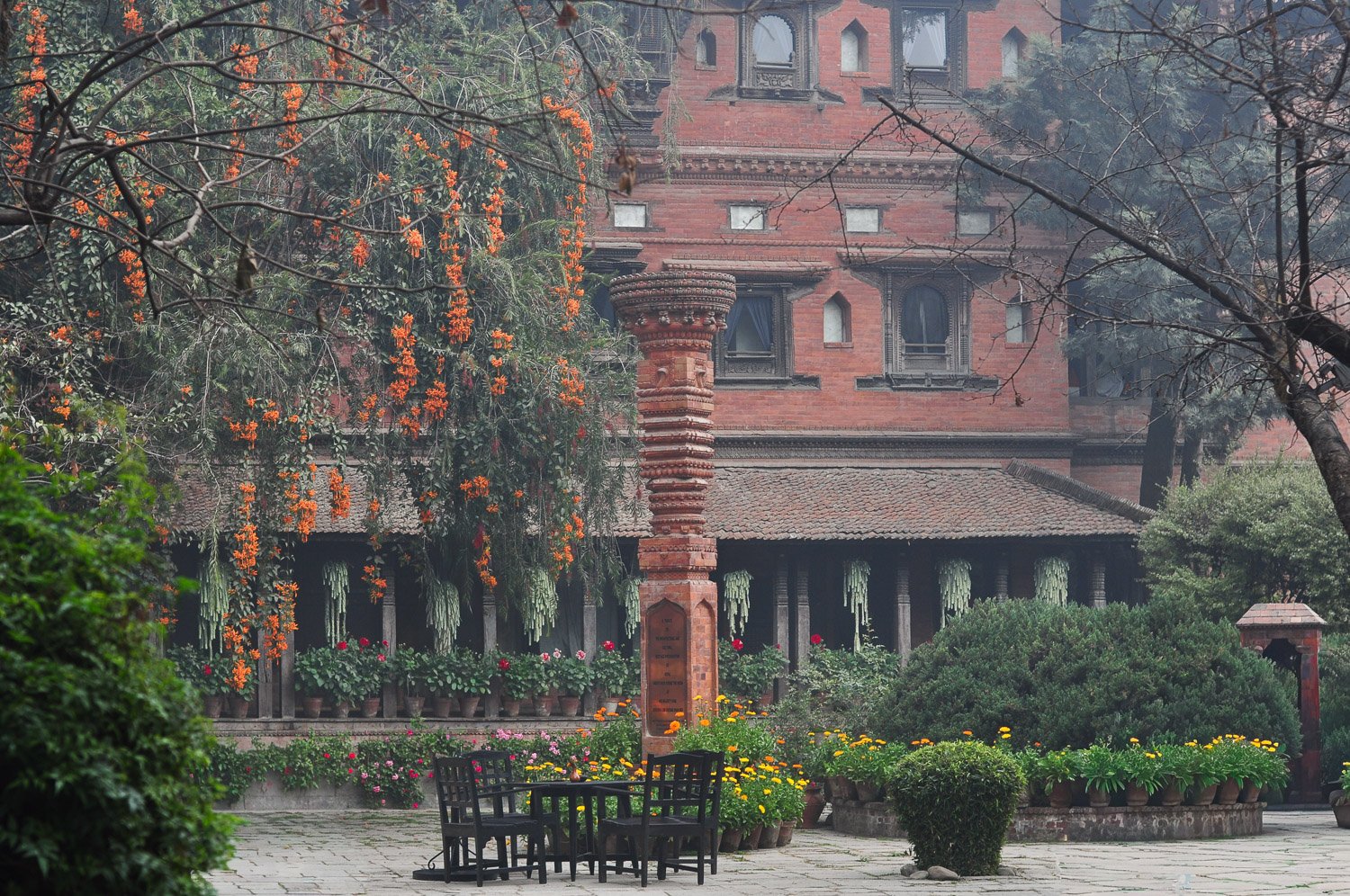
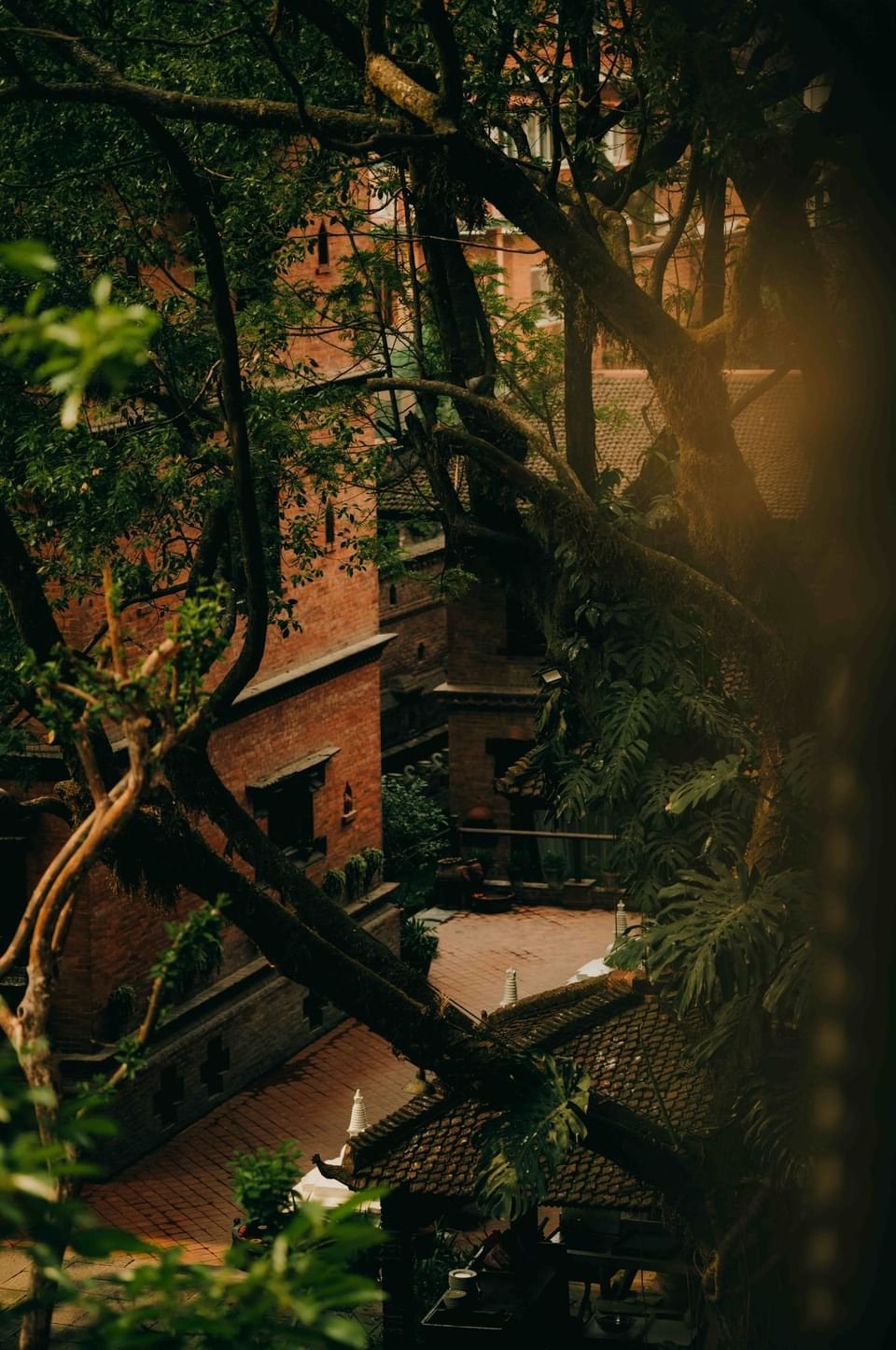
Kathmandu, Chaos. There is an oasis, a few hundred square meters set apart from smoke, noise, pollution, and poverty. Where man-made beauty still reigns and the gardens sprawl. Where birds can rest free, and you can get an idea of what could be.
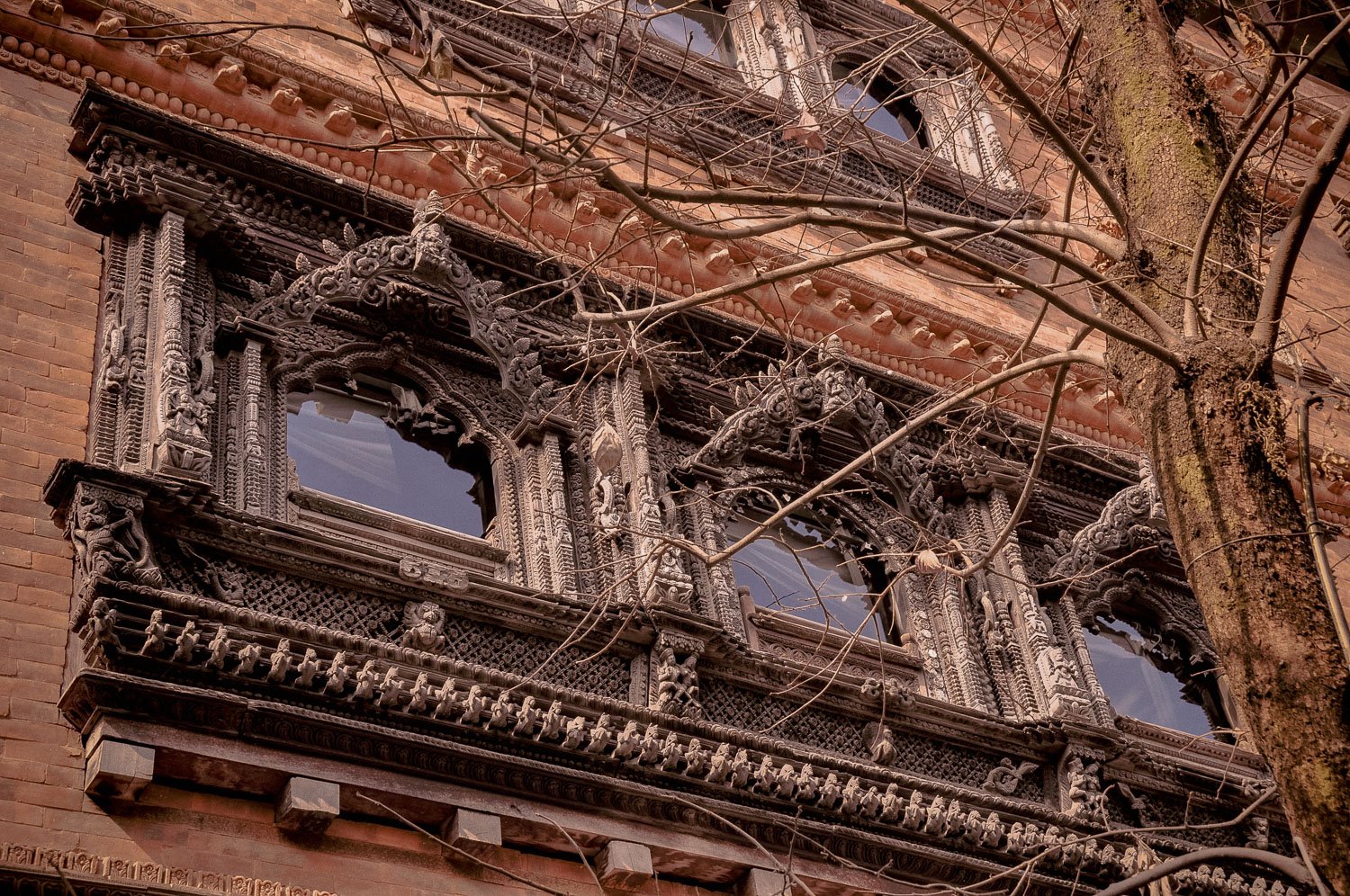
In 1934, the great Bihar earthquake, with a magnitude of 8.1, destroyed a large portion of the buildings and houses in Kathmandu, and it has never quite recovered. In the decades following, most locals opted for reconstruction in a more 'modern' concrete style. The traditional architecture was thought to be a reflection of poverty, and the intricately hand-carved door frames and windows were seen in much the same way as their ability to burn. This great purge would have seen the entire architectural heritage of this Himalayan city go up in smoke, had it not been for Dwarika Das Shrestha and his family.
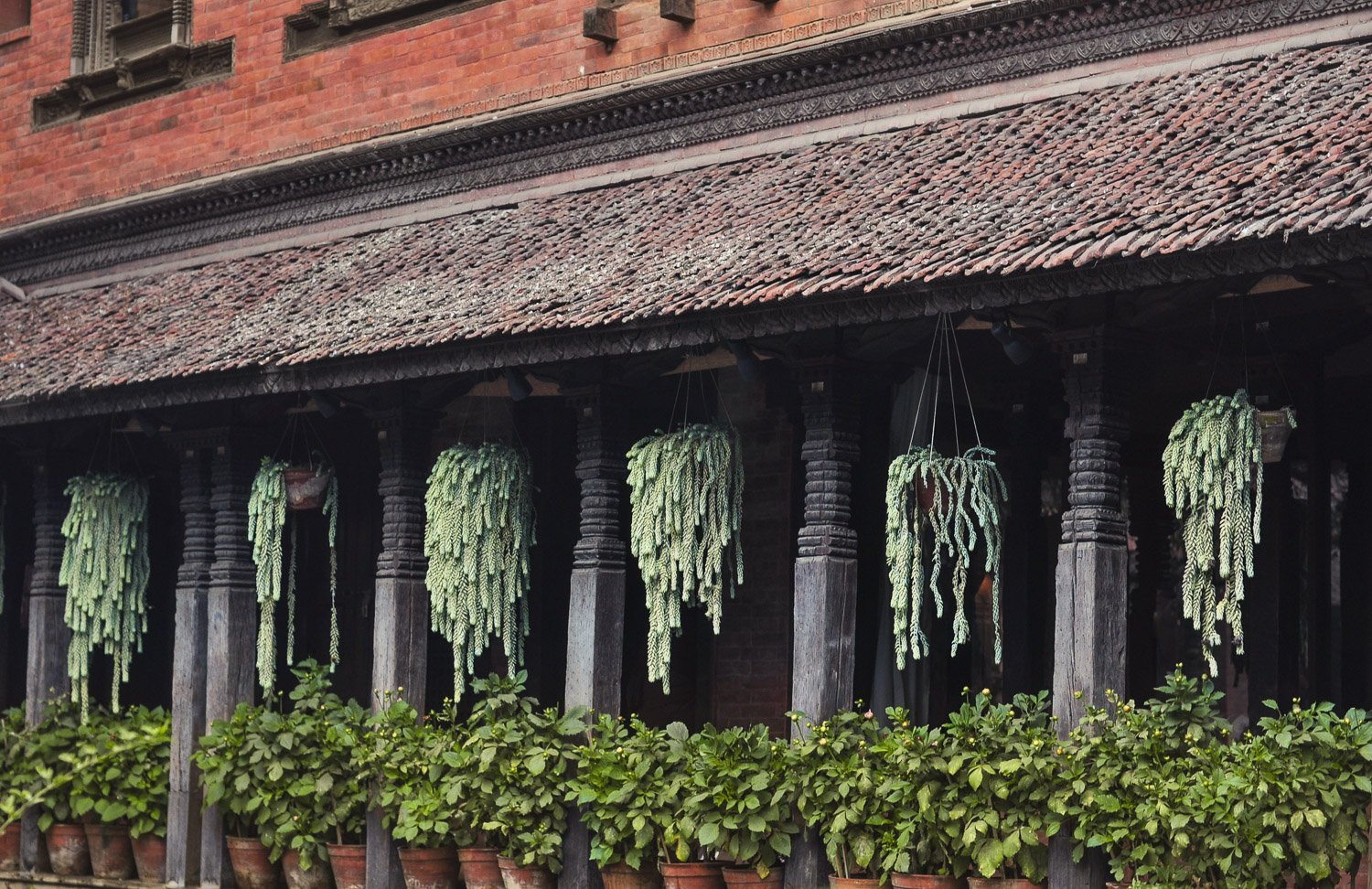
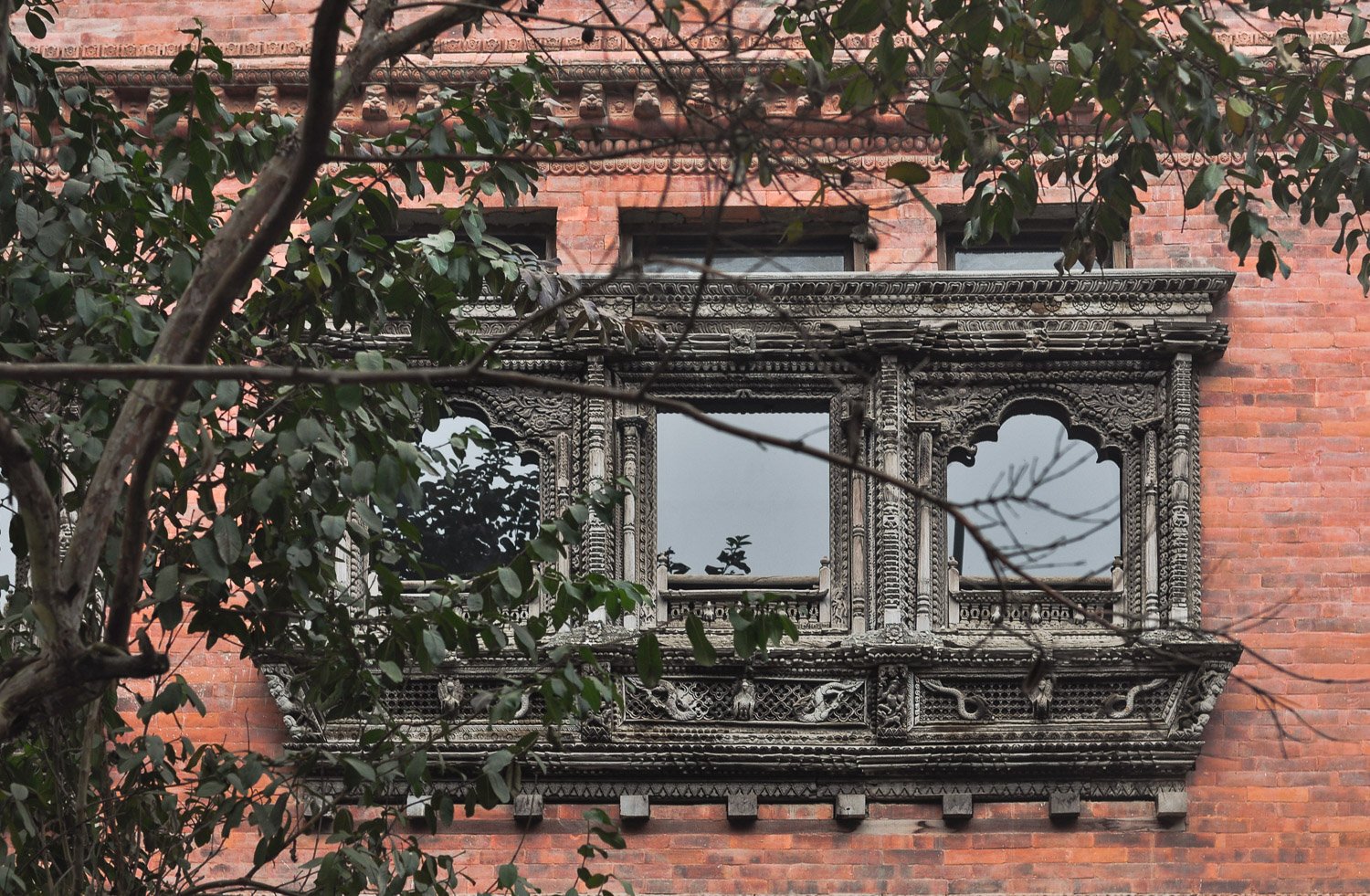
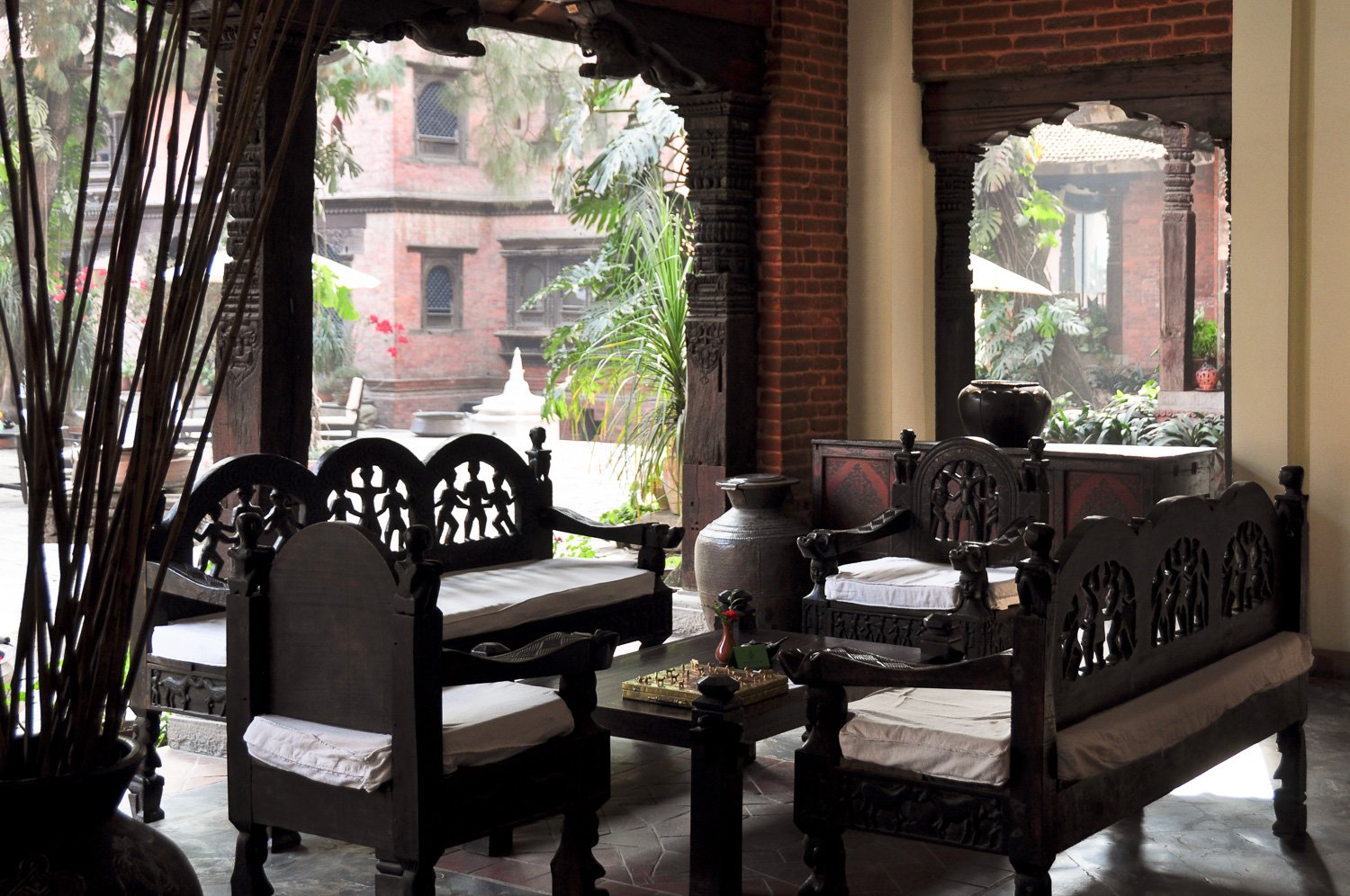
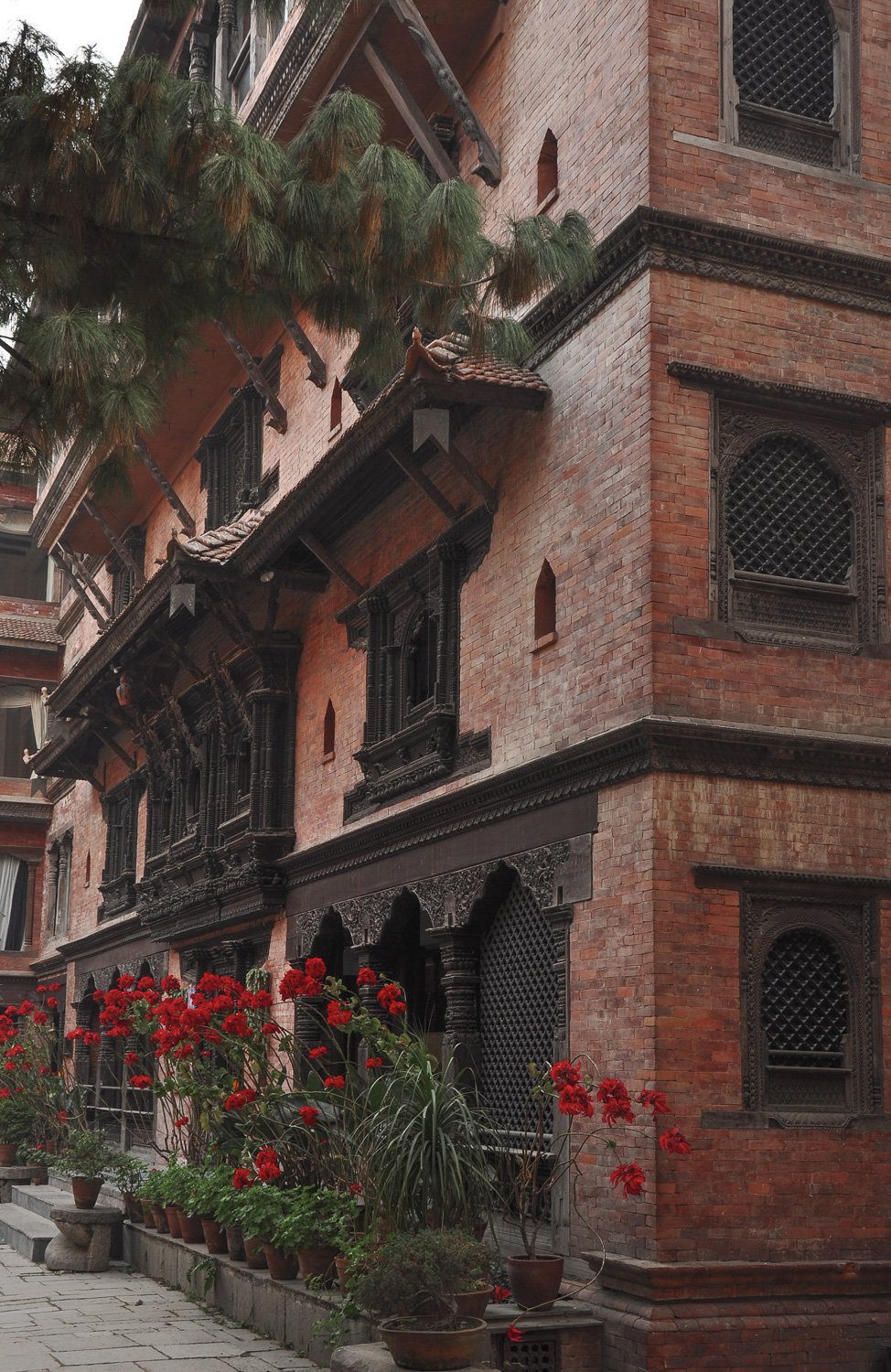
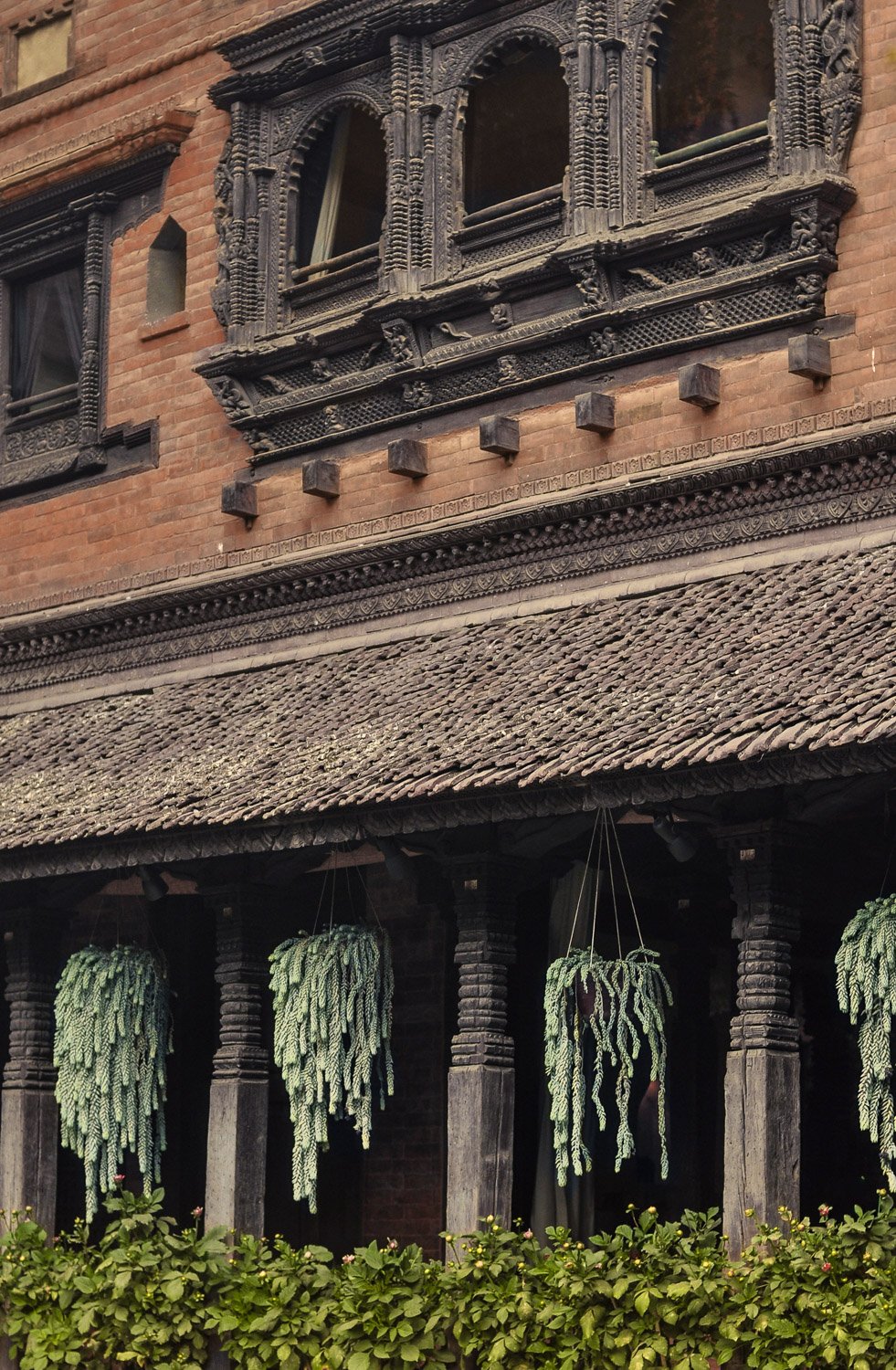
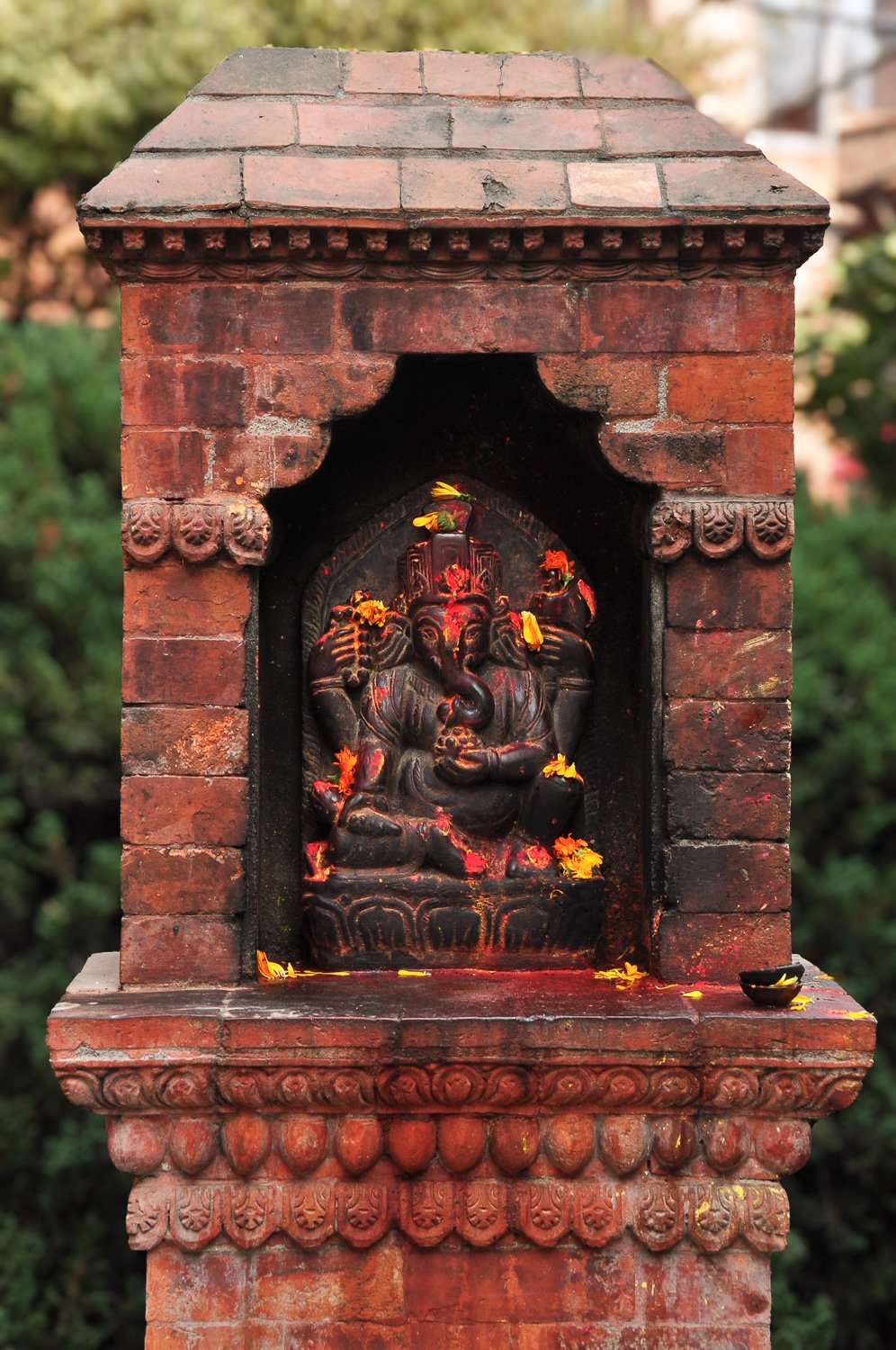
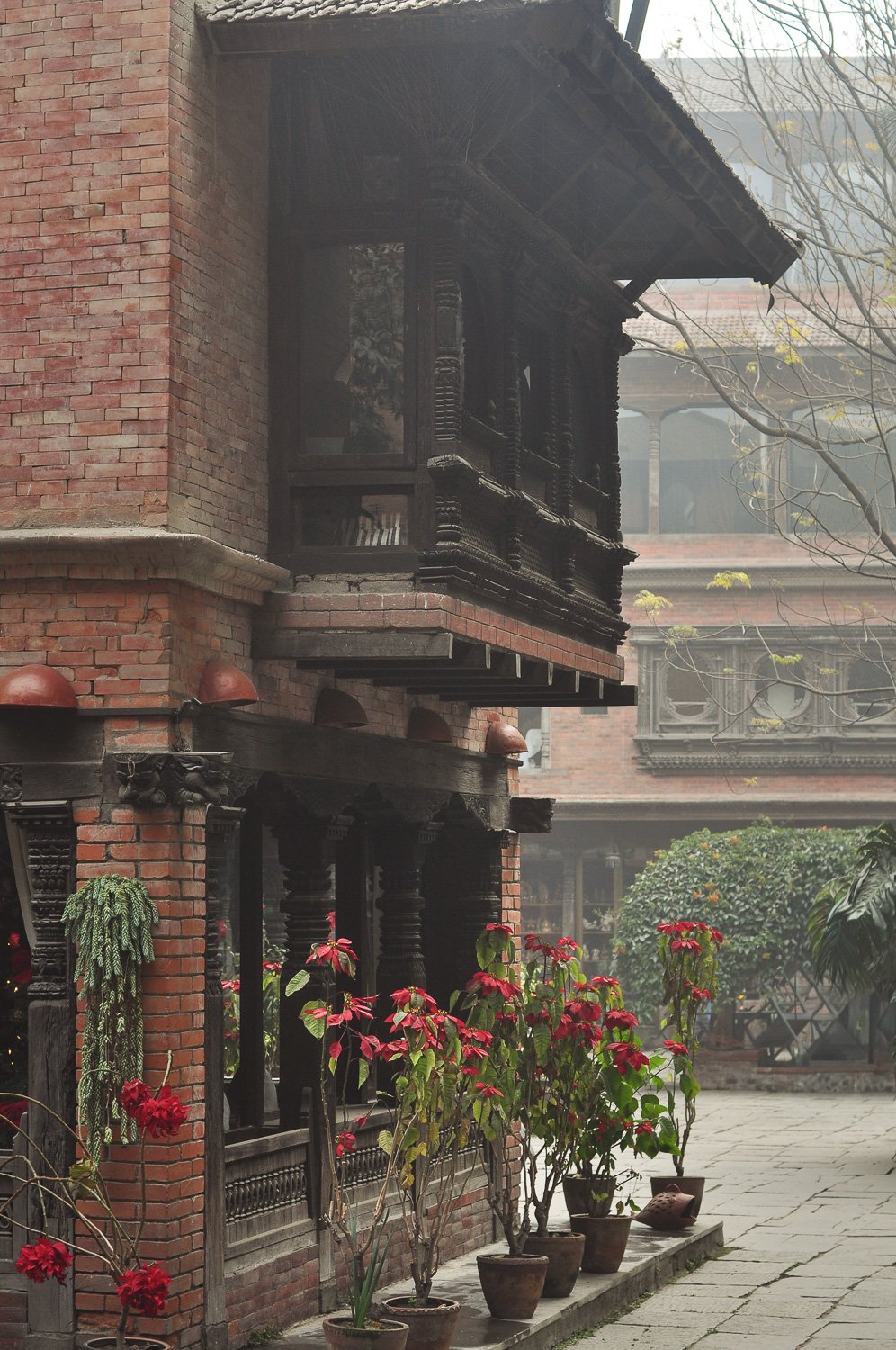
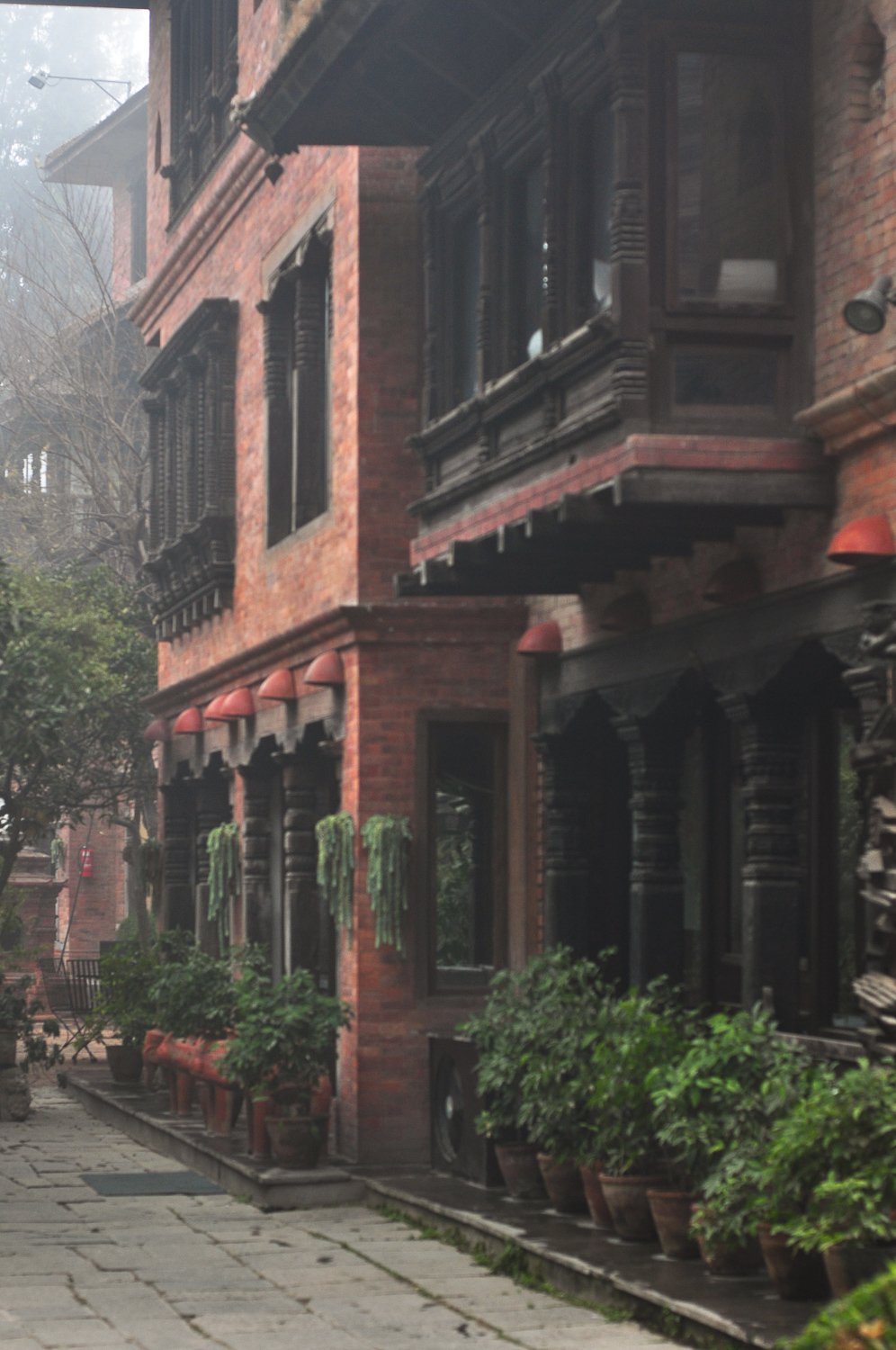
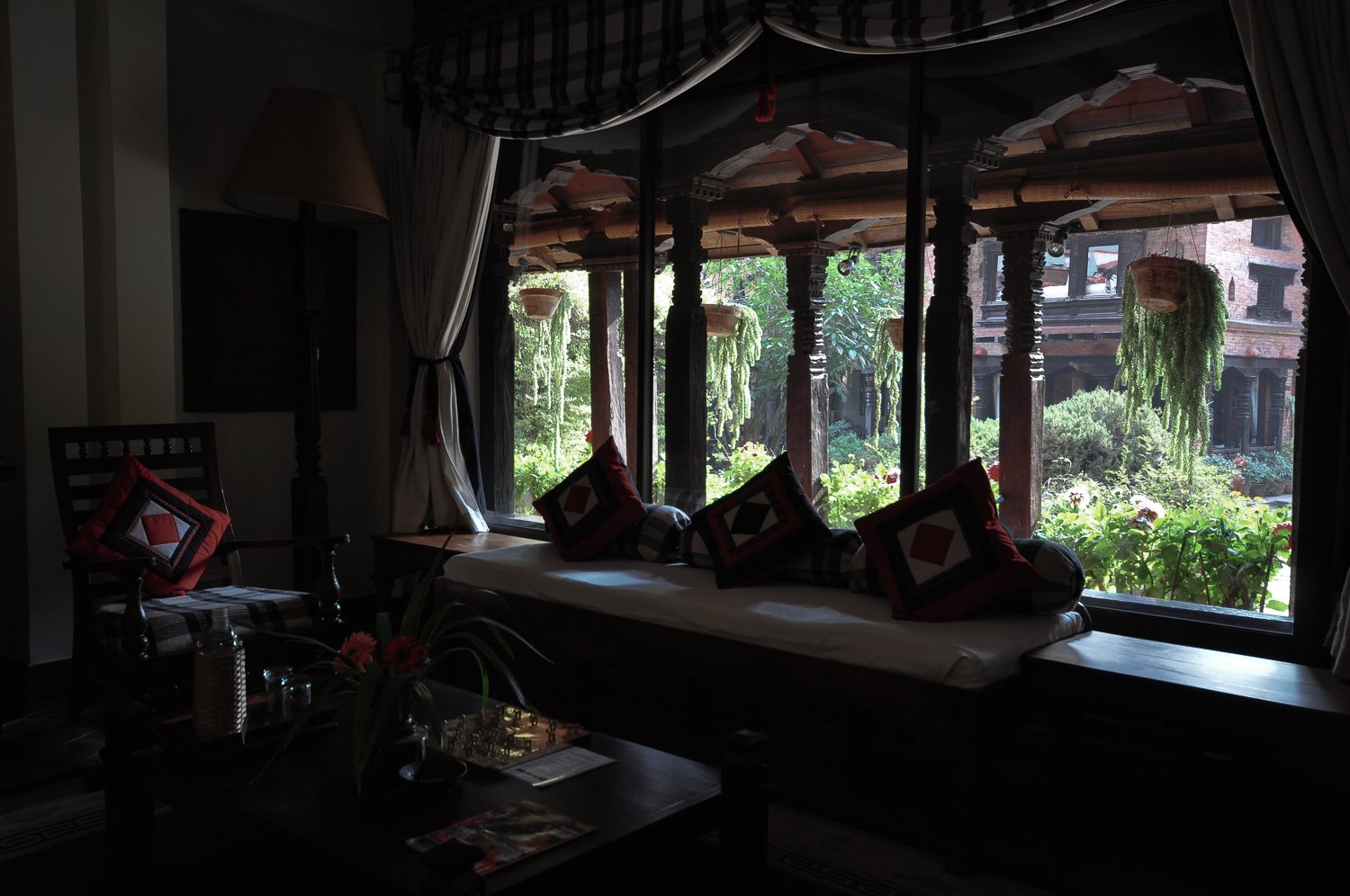
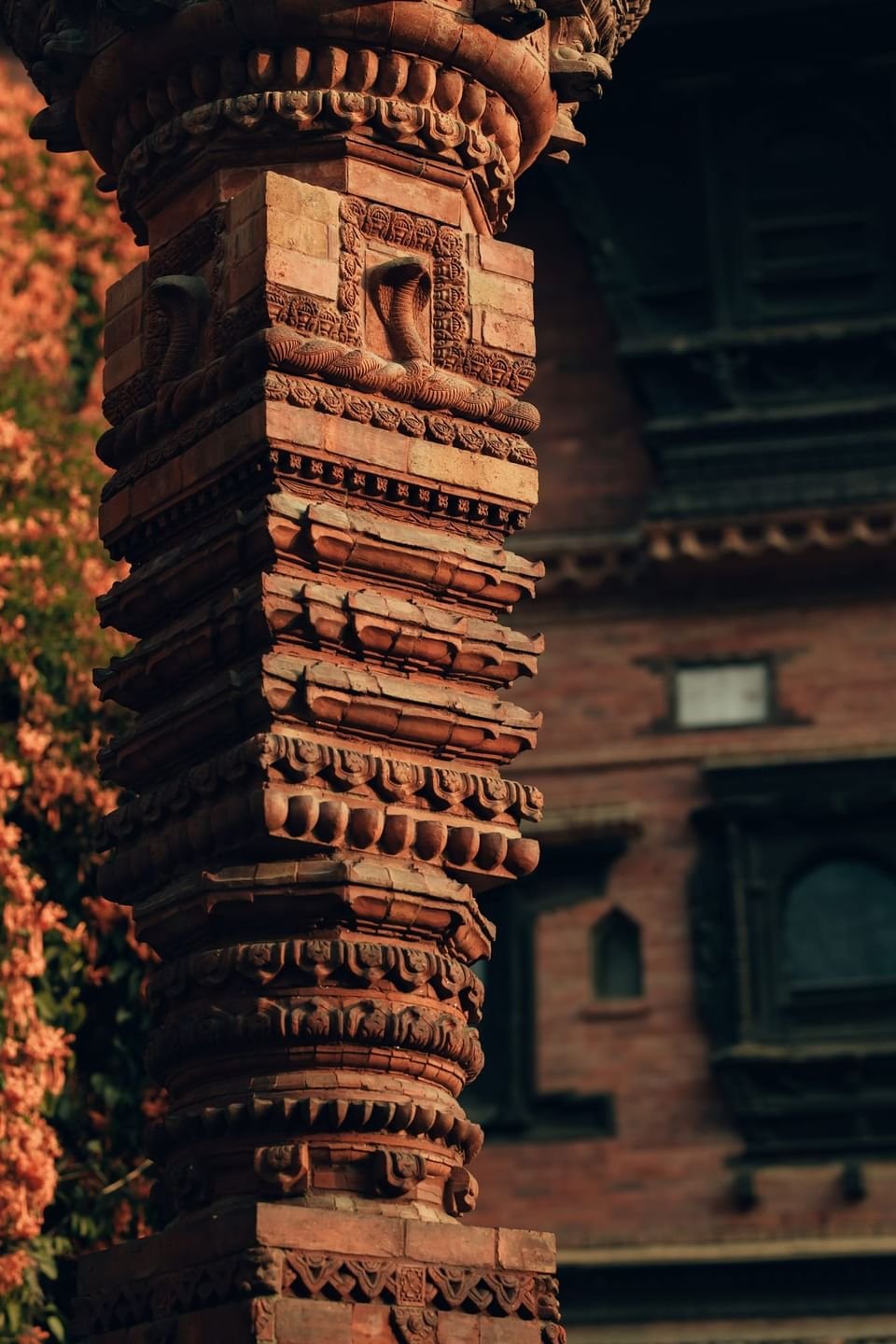
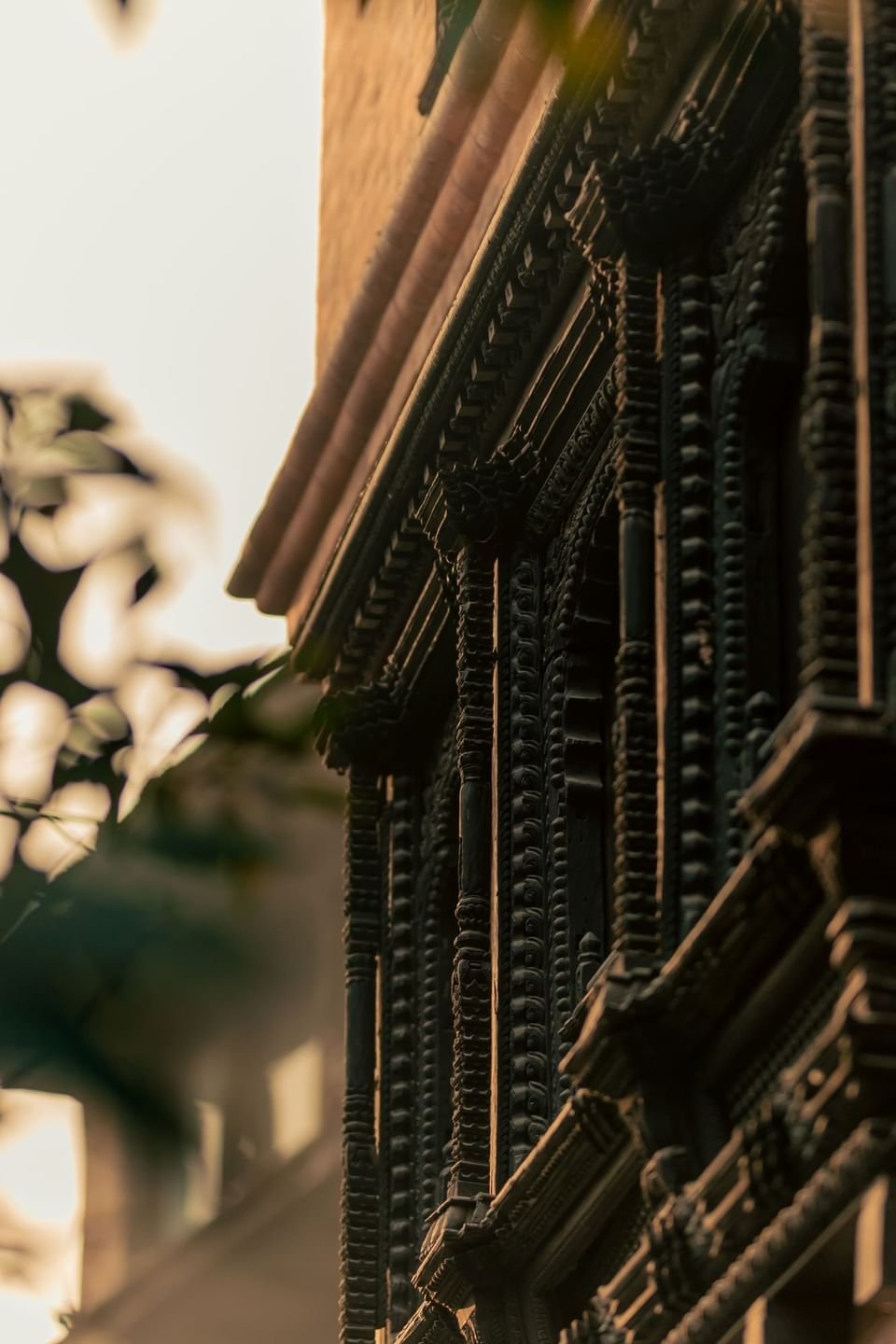
During the late 1950s, Dwarika Das Shrestha acquired the land where the majestic Dwarika's Hotel lies today and commenced the construction of his family home. Integrating the ancient hand-carved windows, columns, and frames that he had been acquiring and collecting. Thus, the preservation of Newari craftwork, which the Newari are the indigenous people of Nepal's Kathmandu Valley, and, more importantly, Nepal's cultural heritage as a whole, begins.
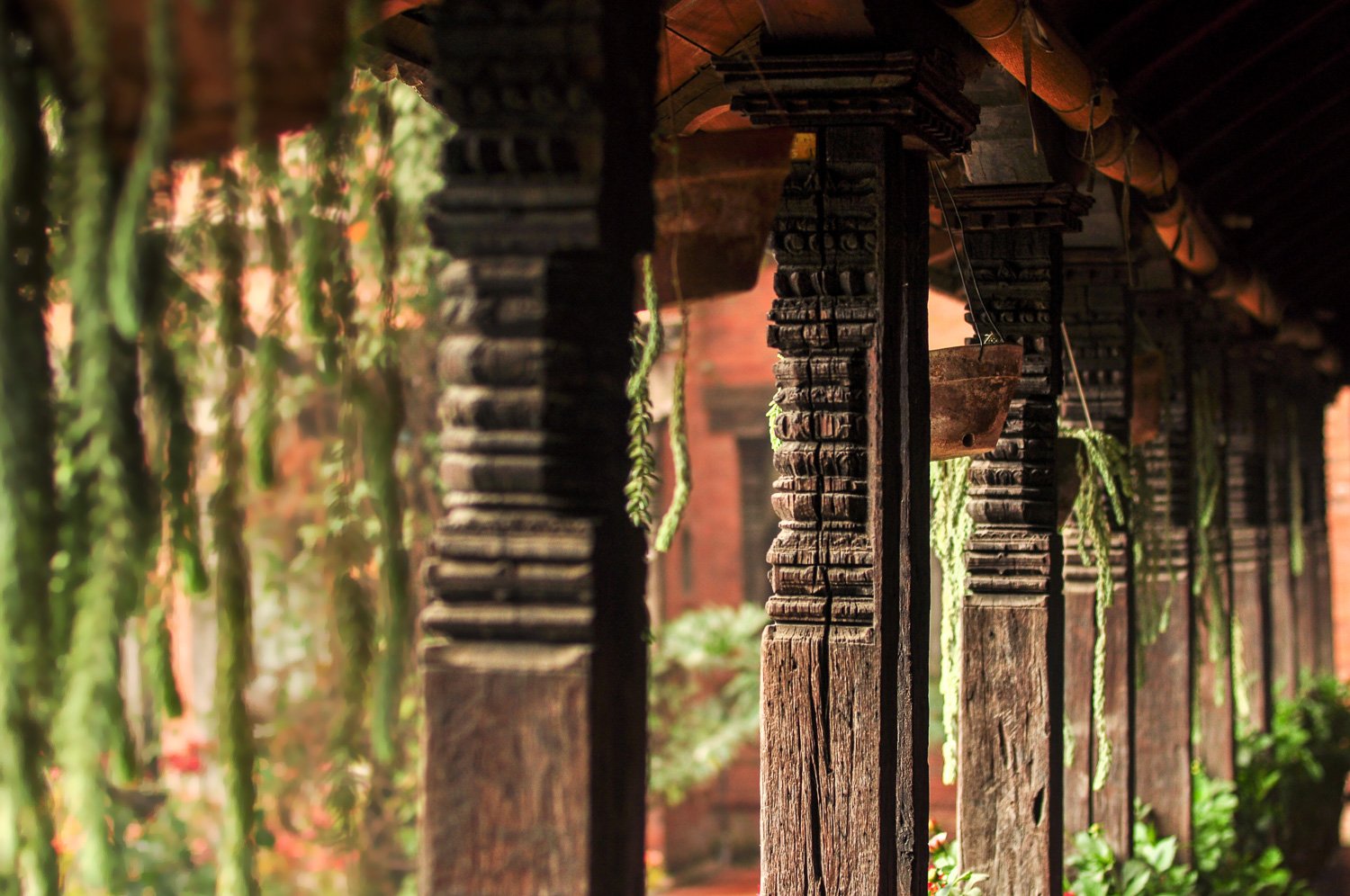
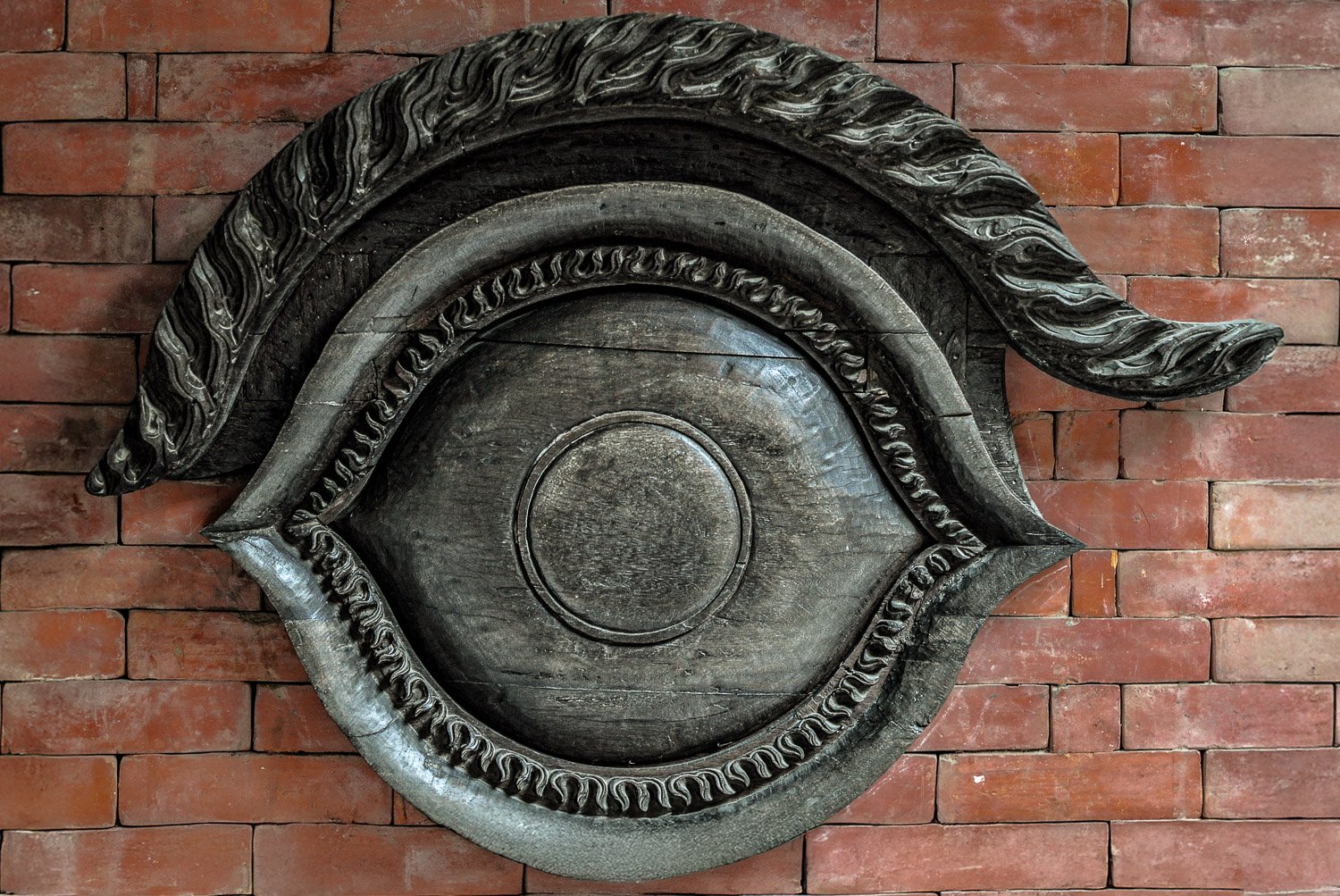
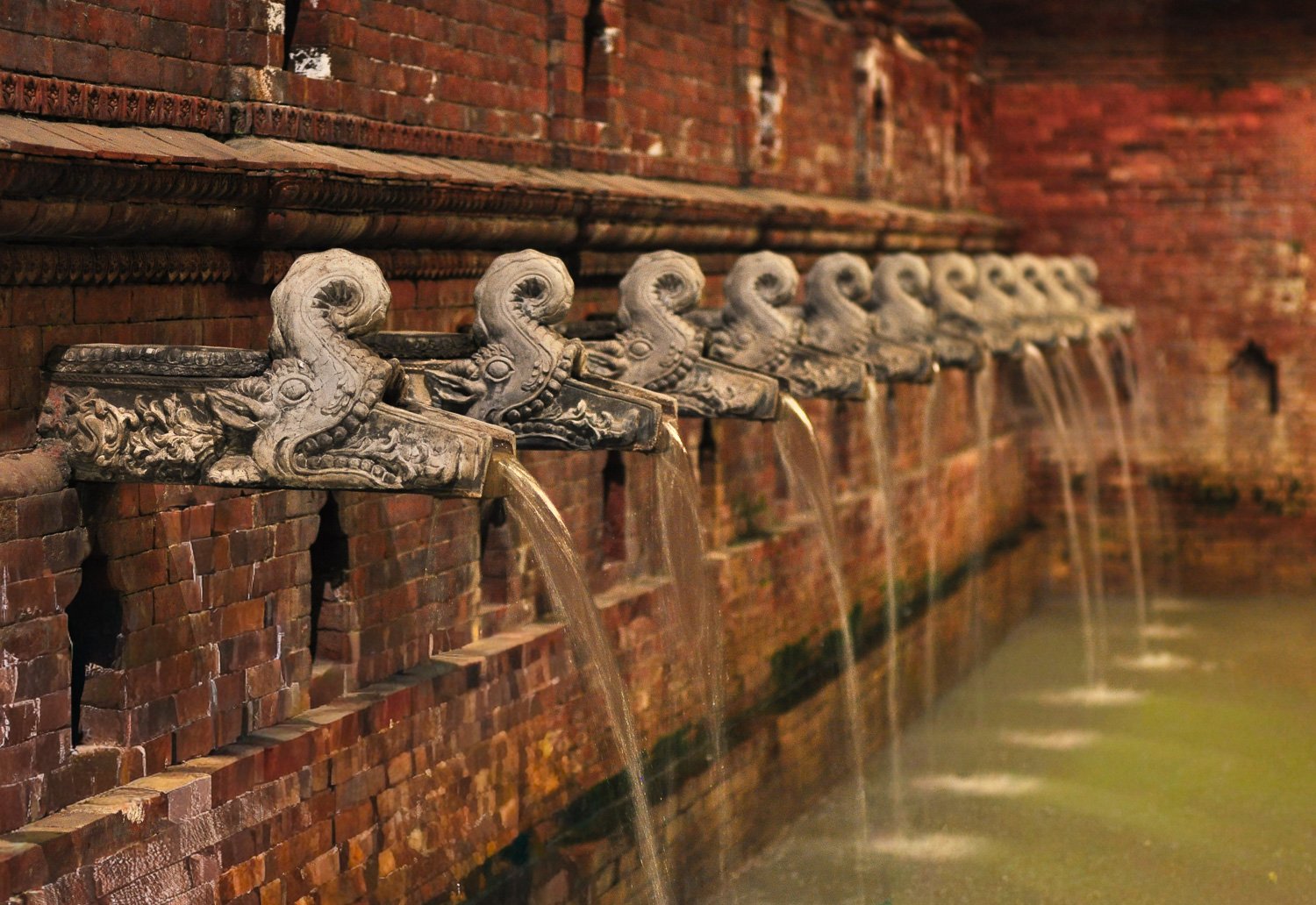
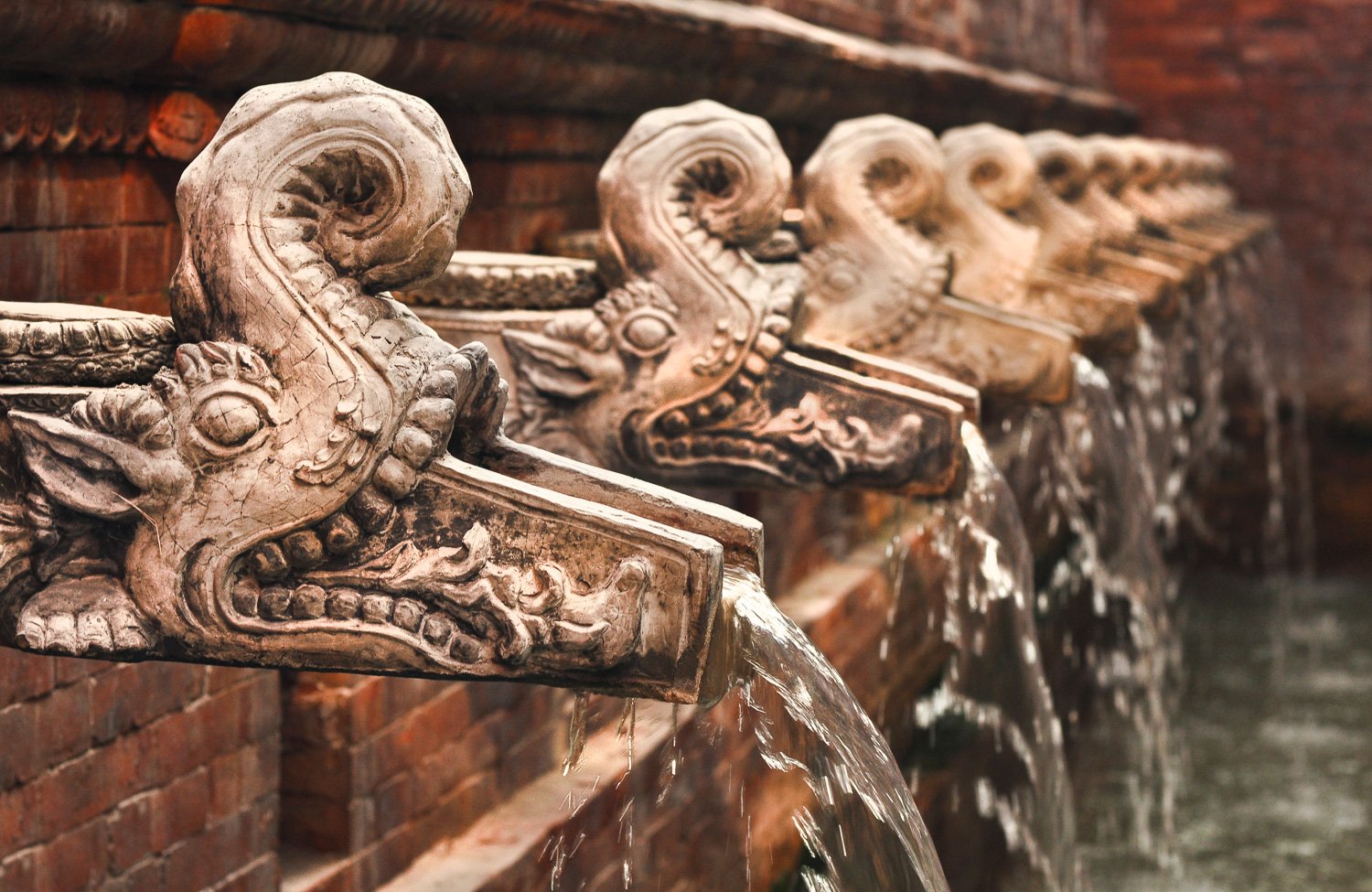
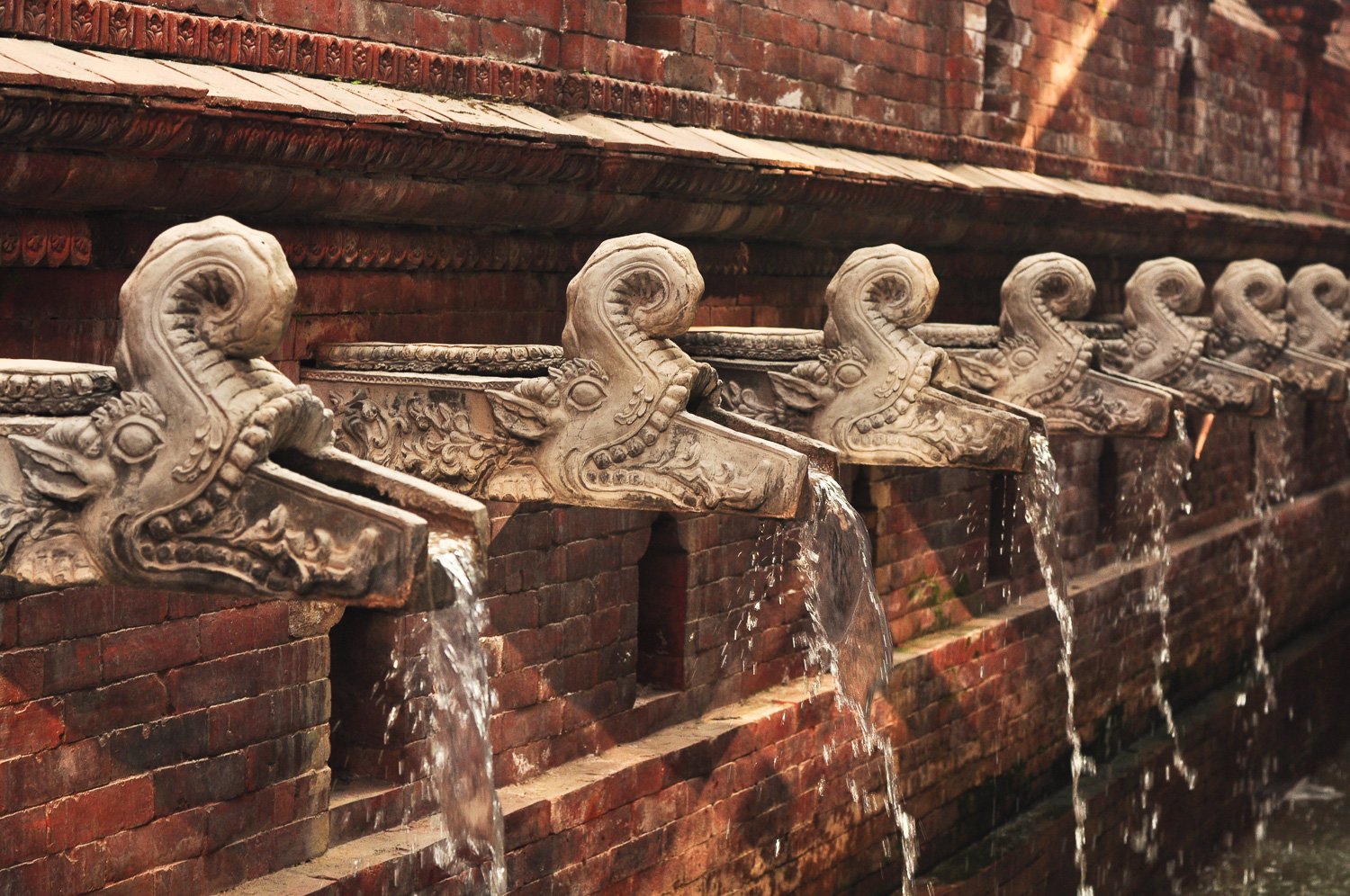
In 1964, Dwarika Das Shrestha (DDS) added a rental apartment to his growing estate in order to fund his expanding collection of traditional Newari wood carvings. In the following years, DDS, realising that the technique, as well as the objects themselves, were becoming extinct, he hired three of the few remaining Master Newari woodcarvers. To ensure that this intricate craft would not be lost to time, he also established an apprenticeship program to confirm that critical knowledge was passed on to new generations. This heritage workshop extended beyond woodworking into other ancient crafts of Nepal, such as terracotta sculpture and brickwork.
To sponsor the passion and workshop of his growing craft, DDS started renting rooms at his ever-expanding compound. Adding new buildings with the latest and restored pieces now coming out of the workshop. As a hotel, it grew slowly, organically, and it had not yet reached its peak when DDS passed away in 1992. His wife and daughter continued the development based on his original concept sketches. Today, the Dwarika's Hotel is still managed by the family.
The best hotel in Kathmandu
Dwarika Das Shresth's legacy to Nepal is unequalled, and he is one of the world's great men. Thanks to his passion for preserving Nepal's cultural heritage, the government and other entities started restoring semi-forgotten sites along the Kathmandu valley. Had it not been for his steadfast belief and desire to see his country regain its former glory, we would not even have to know what the world had lost.
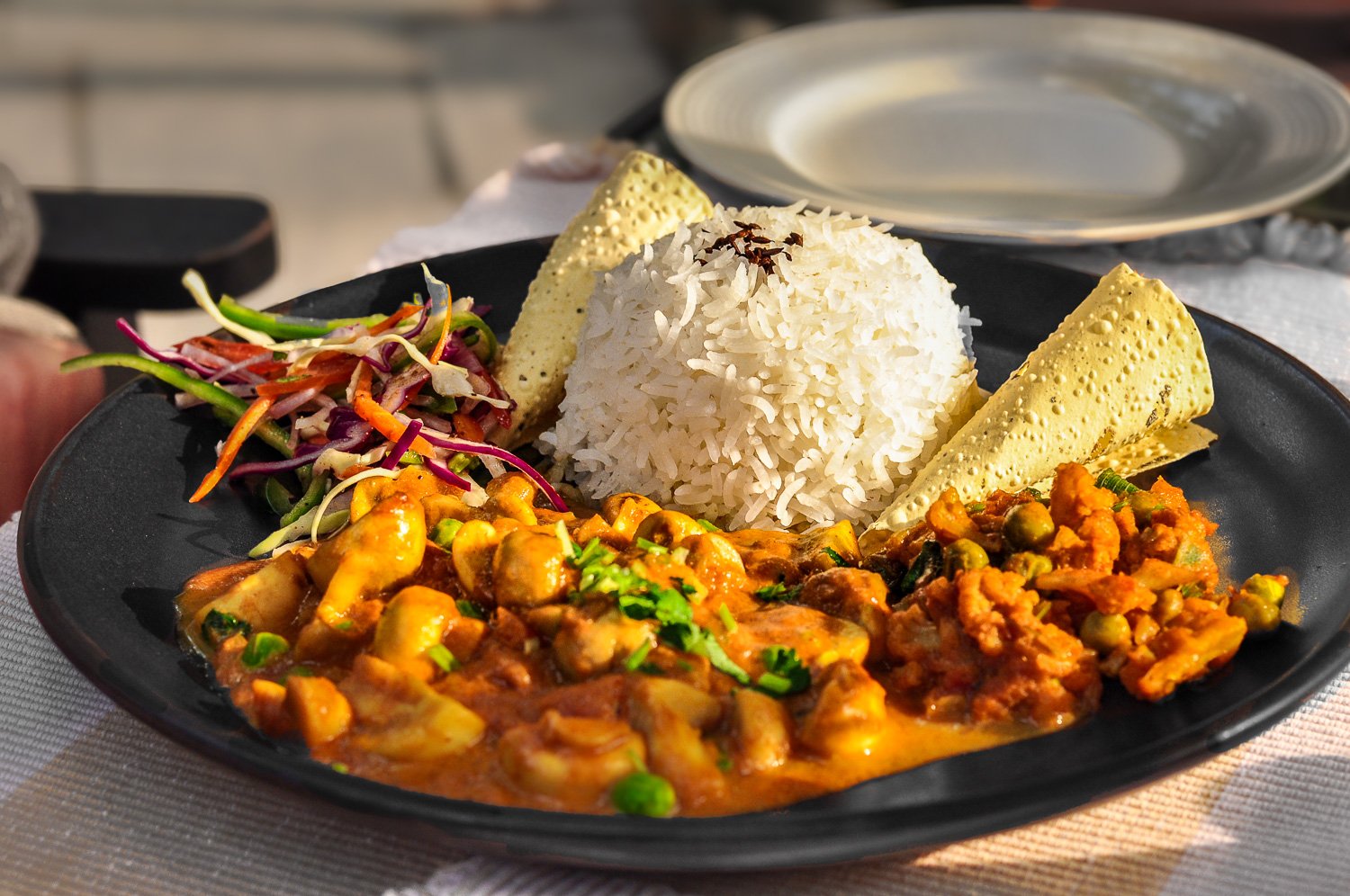
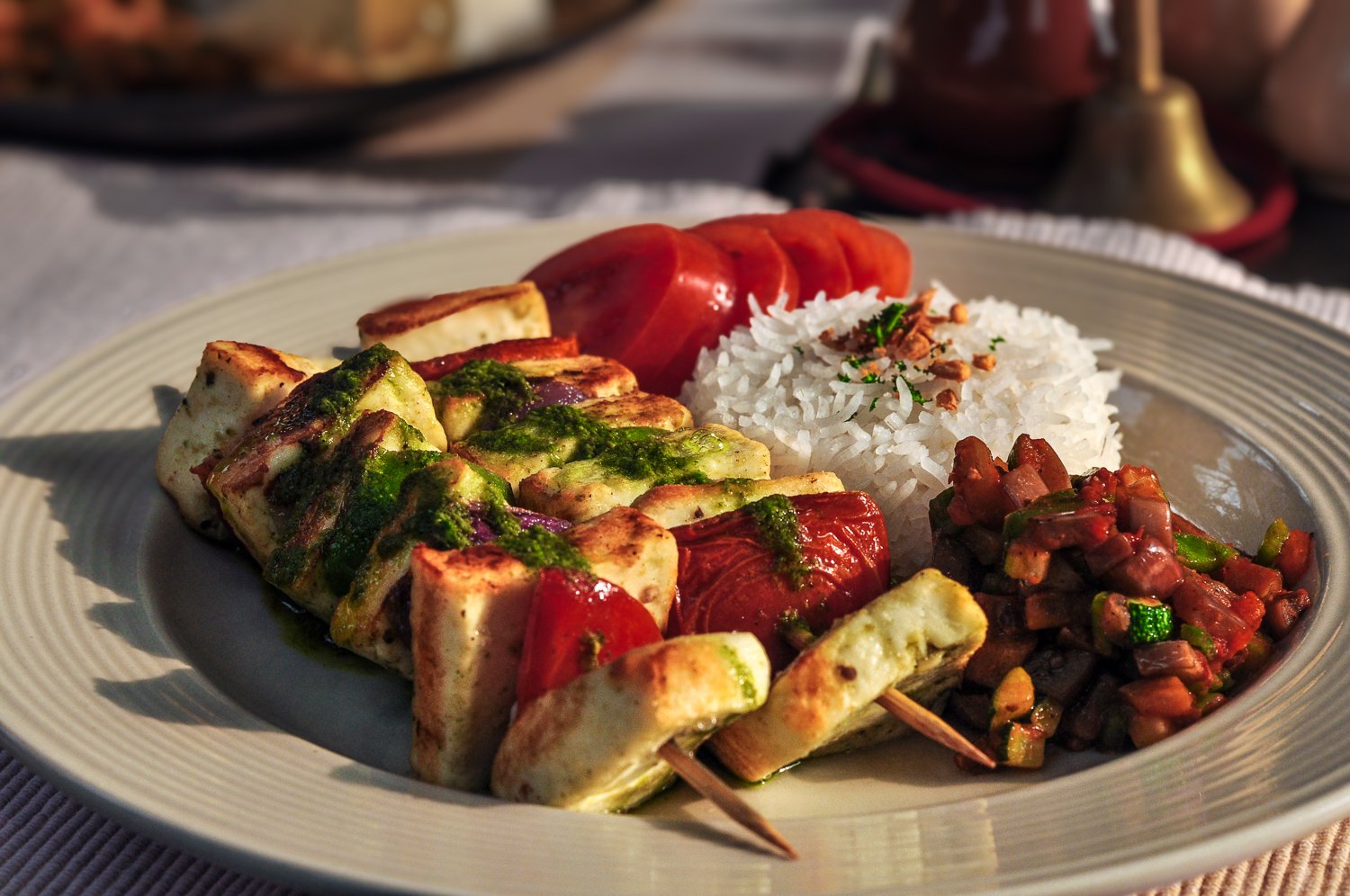
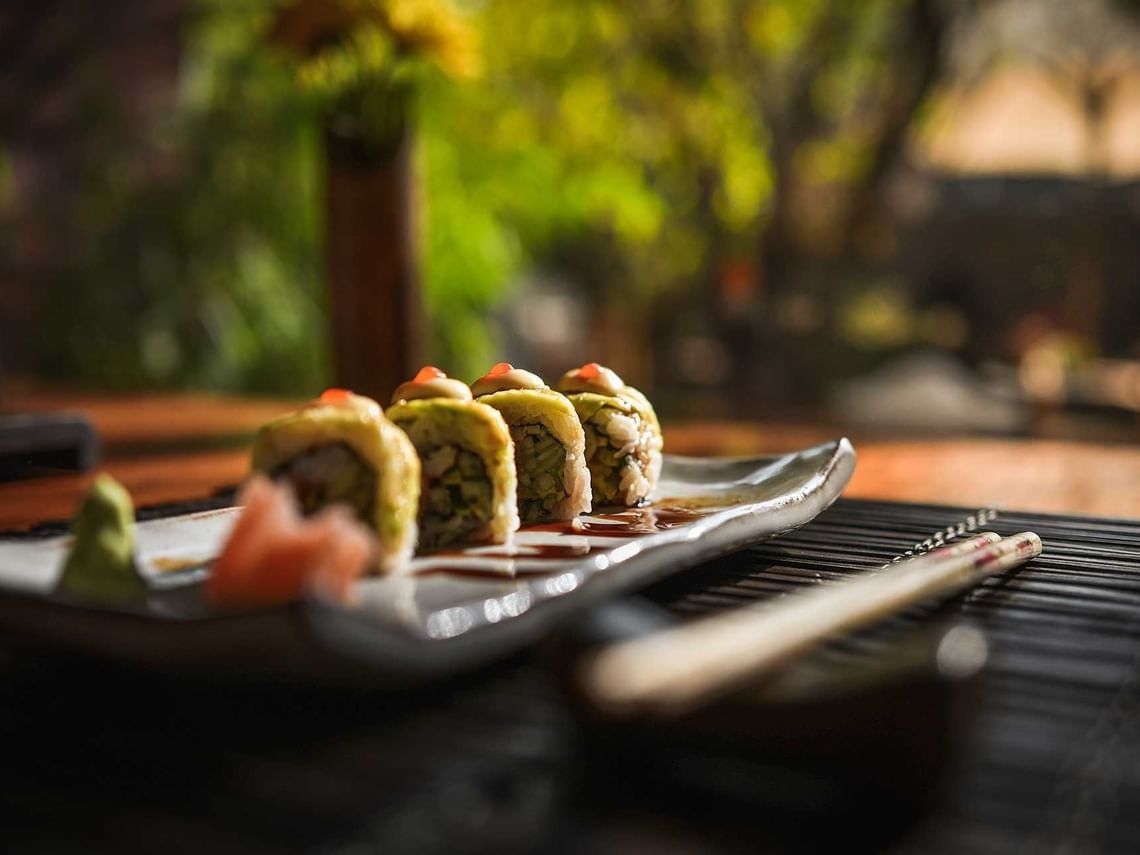
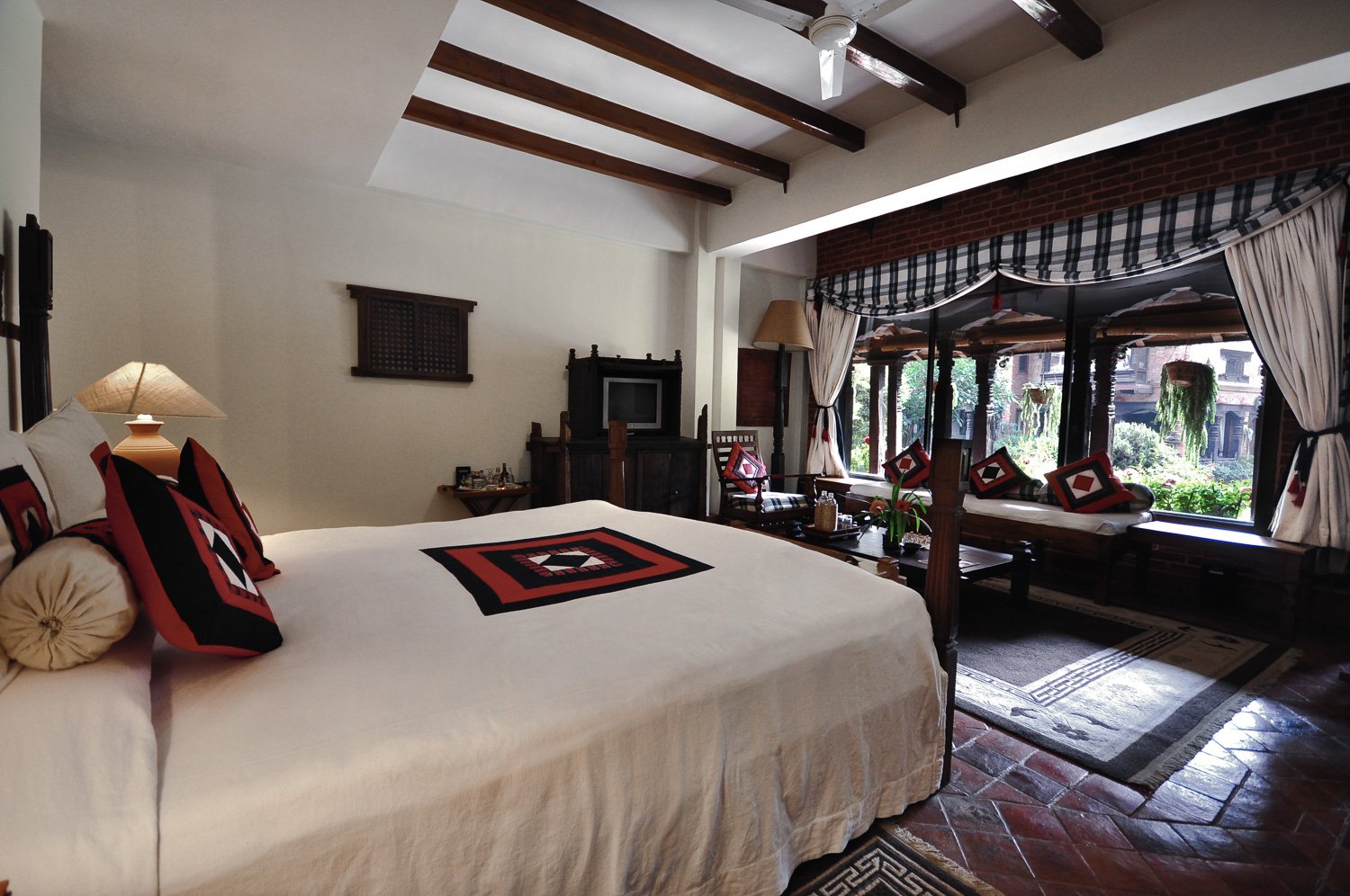
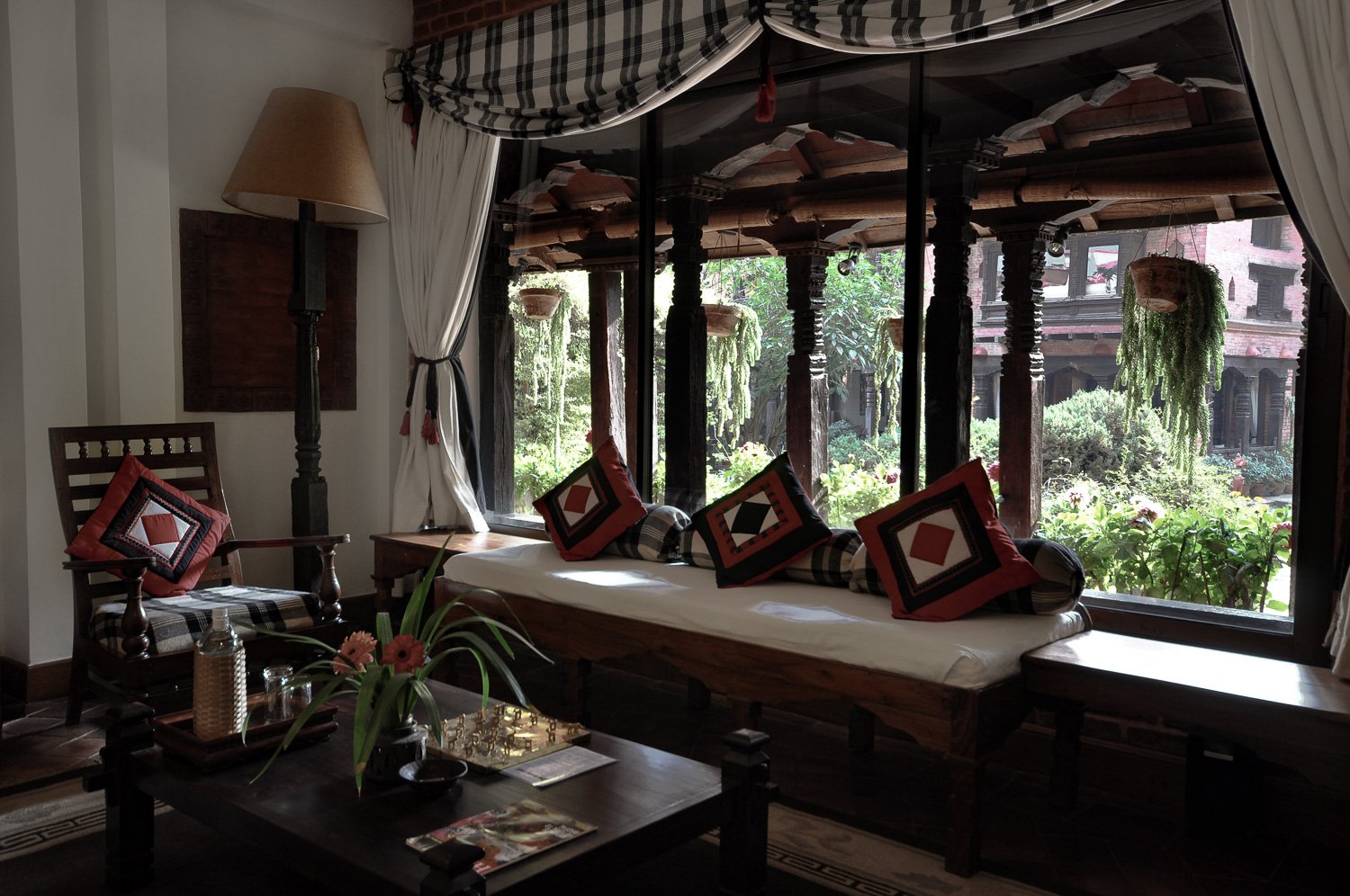
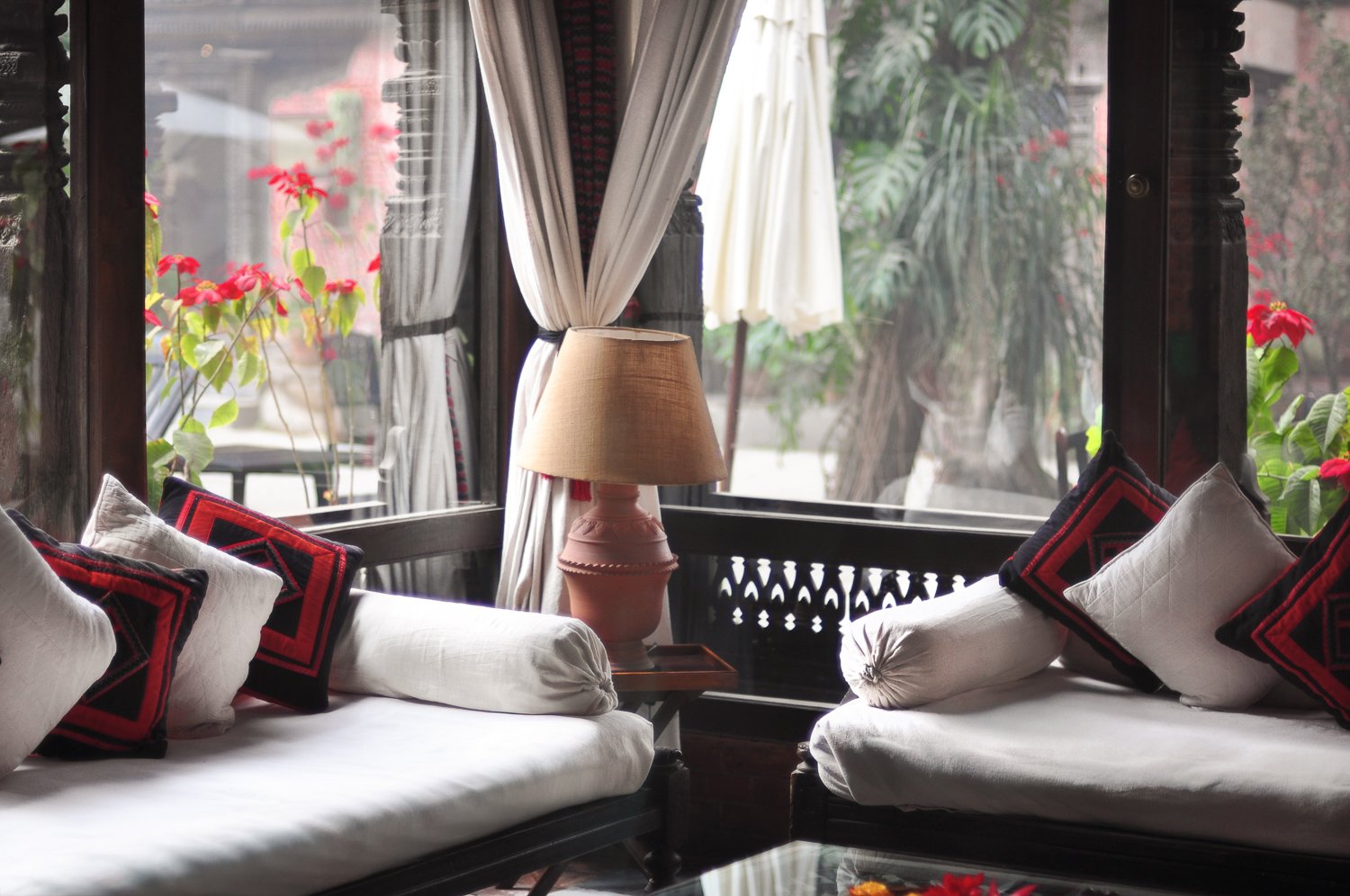
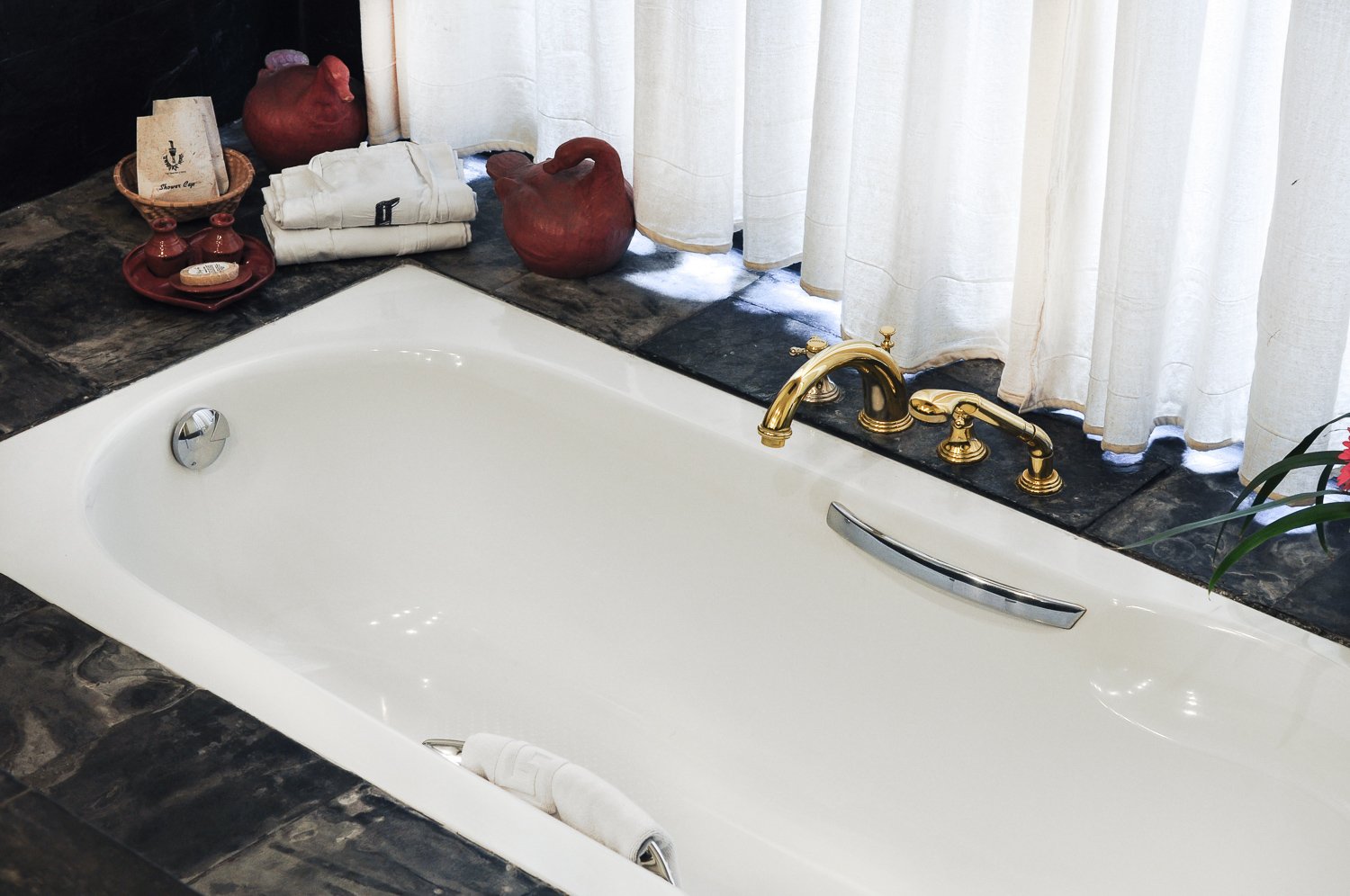
Restaurants
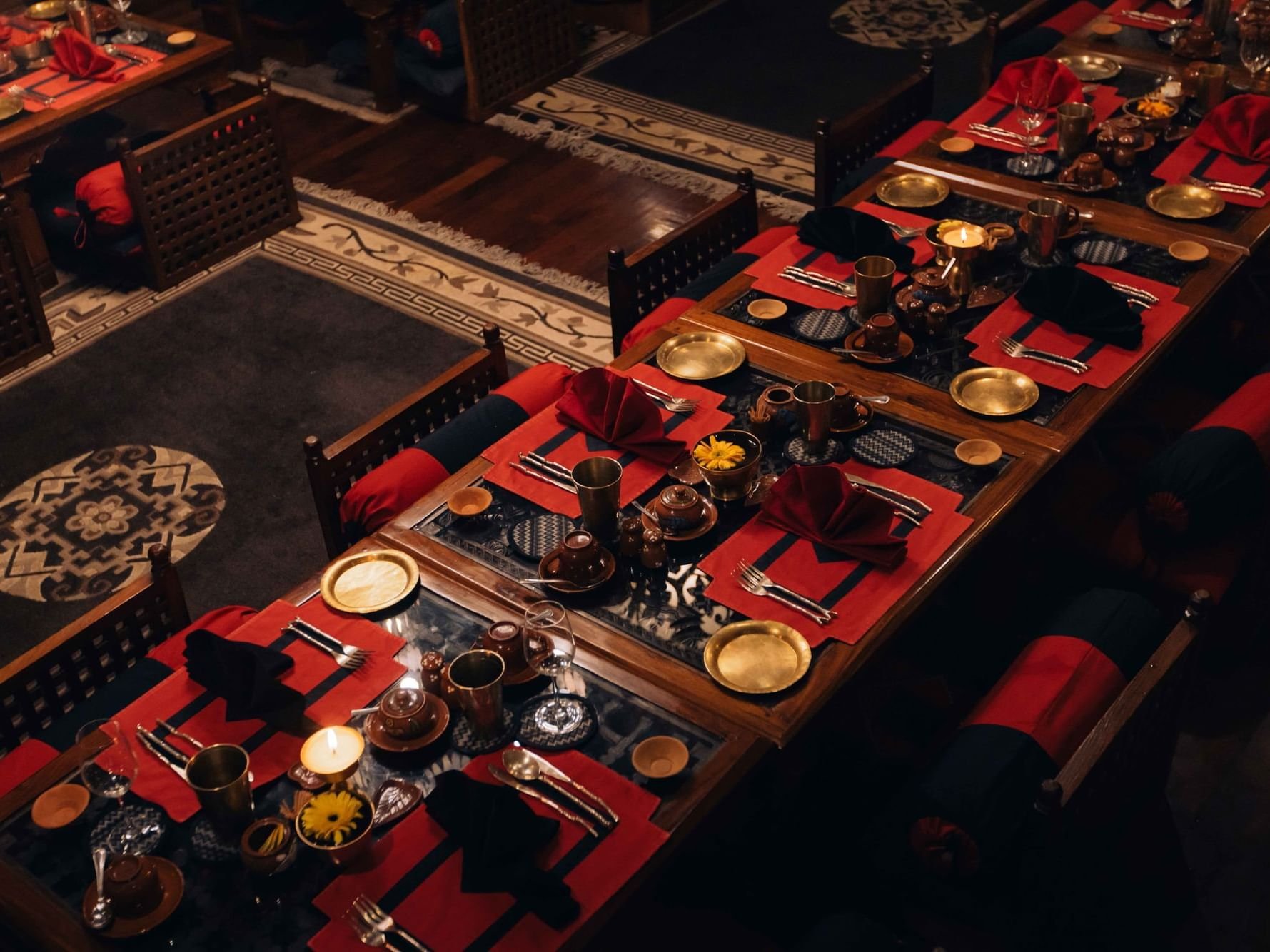
There are three restaurants situated within the hotel: Mako, which features Japanese cuisine. Toran: with a little of everything from Nepali BBQ to sandwiches and pasta, set as a perfect outdoor lunch in the hotel's courtyard. And Krishnarpan, probably the best restaurant in the country and an experience untoward itself. We recommend leaving a stay at Dwarika's and this finest of meals for the end of your trip, ensuring you leave full of contentment and hope.
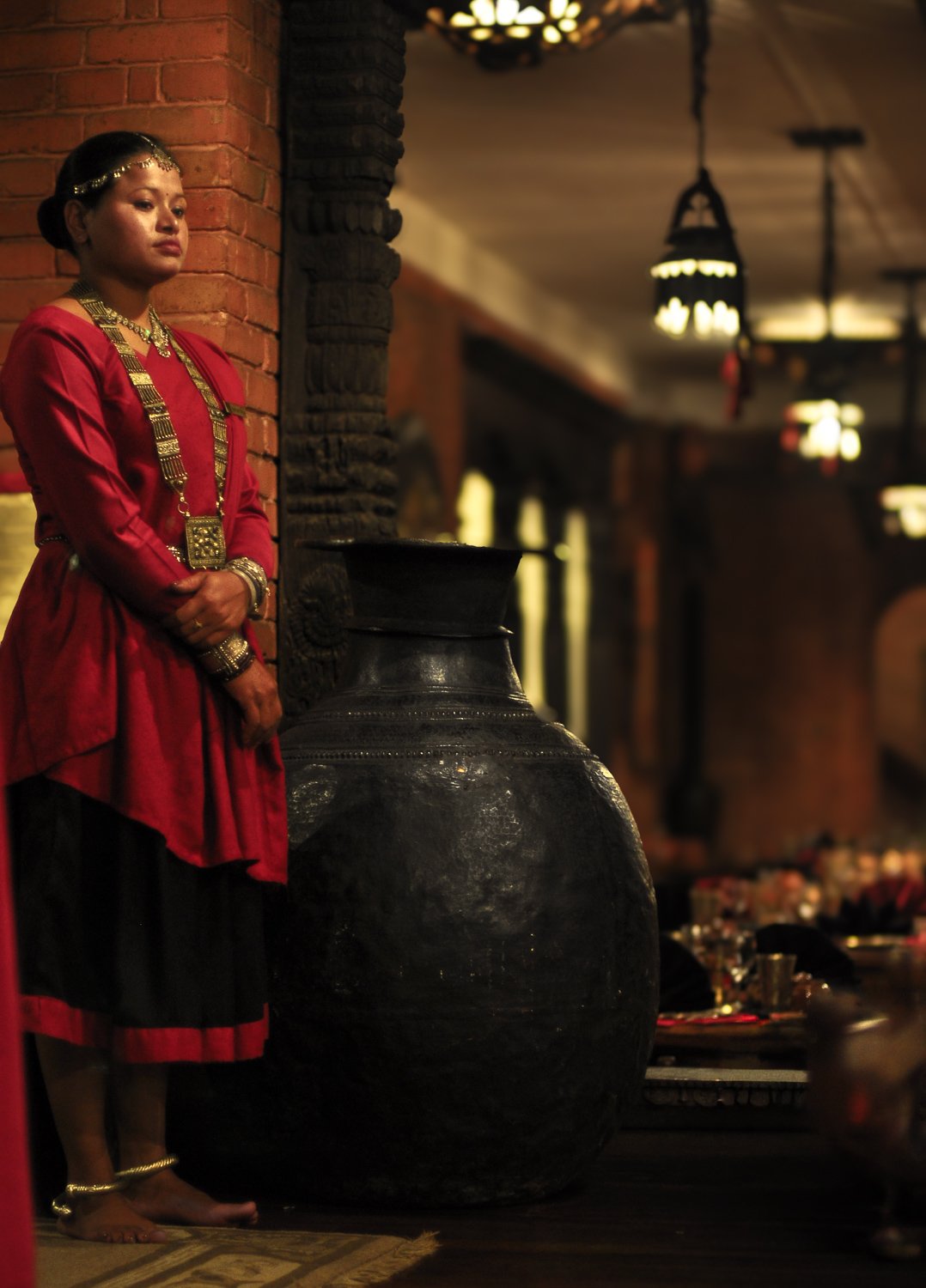
The multi-course dinner at the Krishnarpan Restaurant begins when the traditionally adorned server brings that evening's menu, individually addressed with your name, printed on handmade paper.
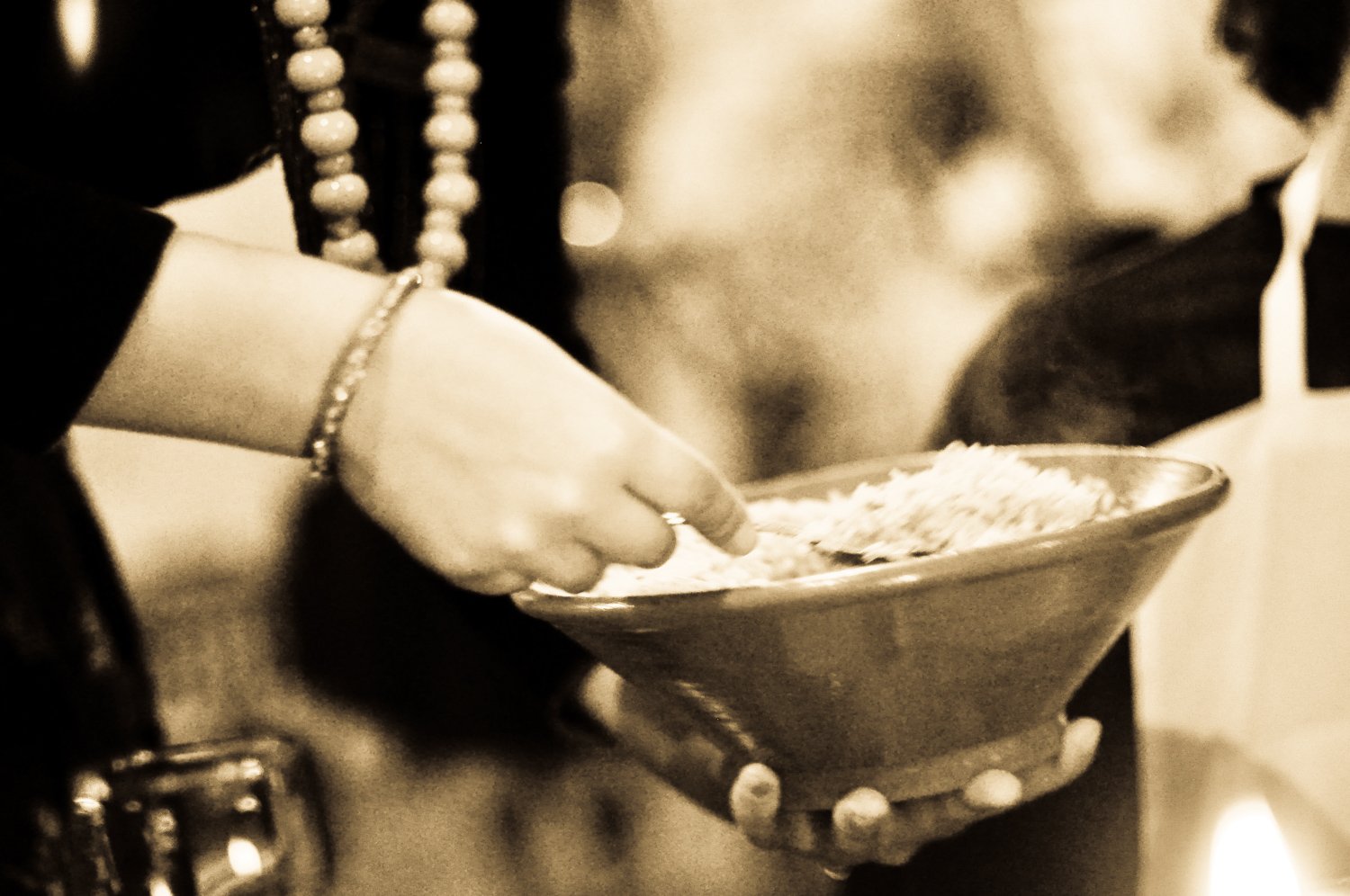
First to arrive was a Samaya Bajee, an assortment of hors d'oeuvres which are usually served during religious ceremonies, representing good luck and prosperity. Included are tender lentil patties, puffed rice, toasted soybeans, stewed tomato, and salad. After so many weeks of Dal Bat, the change is welcome and heart-warming. Just being in the ambience, one can feel great things ahead.
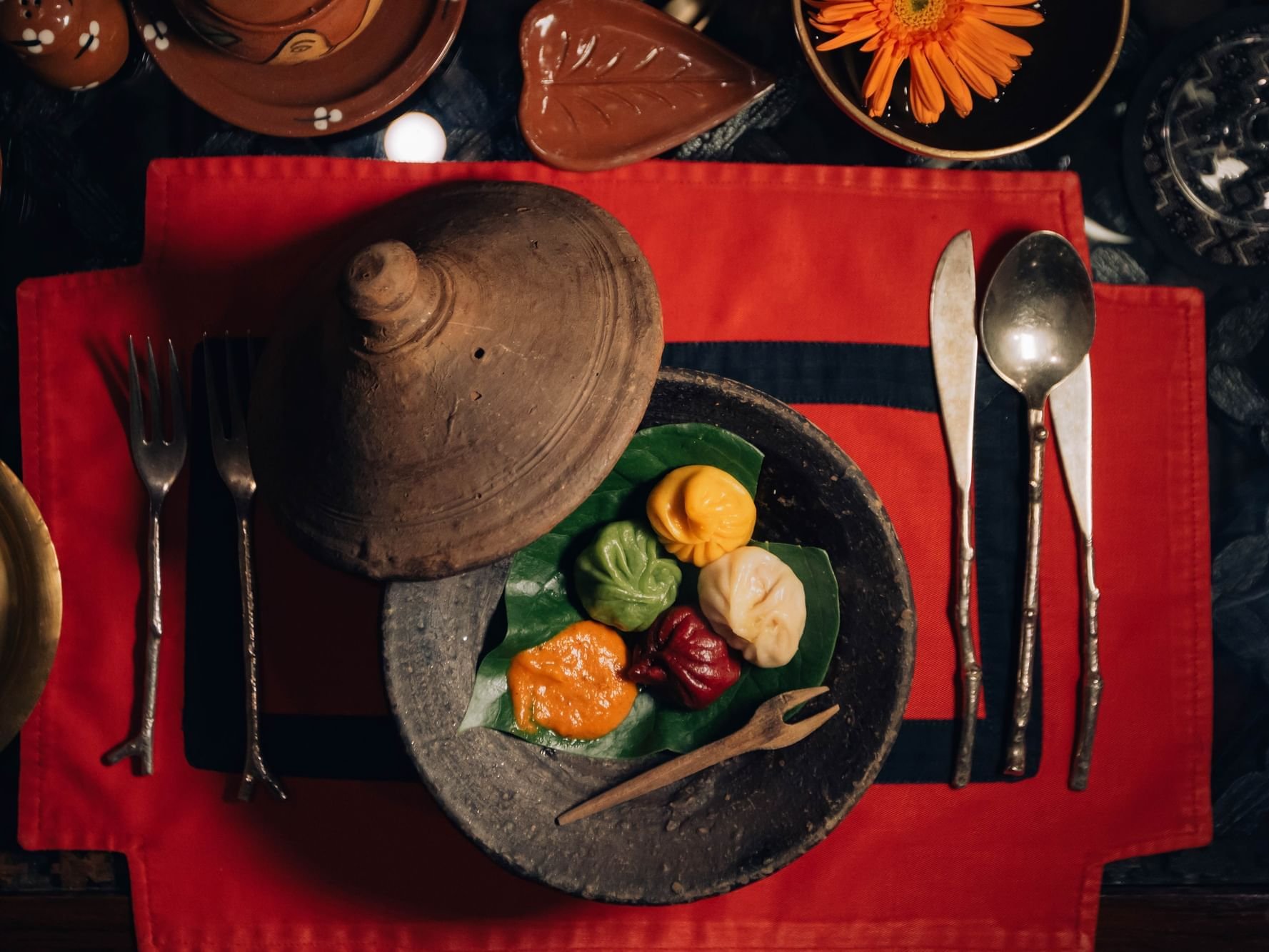
Then came Chatamari, a Nepali rice crepe filled with vegetables, along with vegetable Momos (traditional Himalayan dumplings), accompanied by a sweet and spicy mango chutney. At this time, the traditional alcoholic Rakshi was served from a copper decanter. While this millet-based alcohol is integral to Nepalese religion and tradition, it is not enjoyable, except as a test of your inner strength, which might be what it is used for in ceremony!
Krishnarpan Restaurant Samaya Bajee
The courses kept manifesting and would need an entirely separate article to do them justice.
- Gundruk Ko Jhol - a curry made from fermented mustard leaf broth with soybeans; accompanied with Sada Bhuja, steamed Himalayan rice; and Dal Jhaneko, spiced red lentils.- Aloo Tareko, a signature Newari Dish of fried potatoes and peppercorn- Tarul Ra Lasun Ko Tarkari, stir-fried yam with spring garlic chives- Saag Jhaneko, sauteed spiced spinach- Pharsee Ko Tarkari, pumpkin curry- Golbheda Ko Achar, stewed tomatoes- Lapsee Ko Achaar, plum pickles
After all of these dishes, you are in a state of near bliss, contemplating gastronomic enlightenment when arrives the mind-bending Panchamrit: a mixture of five nectars used in Hindu worship, milk, sugar, yoghurt, ghee, and honey.
Dwarika's Hotel (977-1) 447 9488 Batisputali Batisputali Kathmandu, Nepal www.dwarikas.com