Ikoi Ryokan: Thirteen Baths and a Taste of Japanese Hospitality
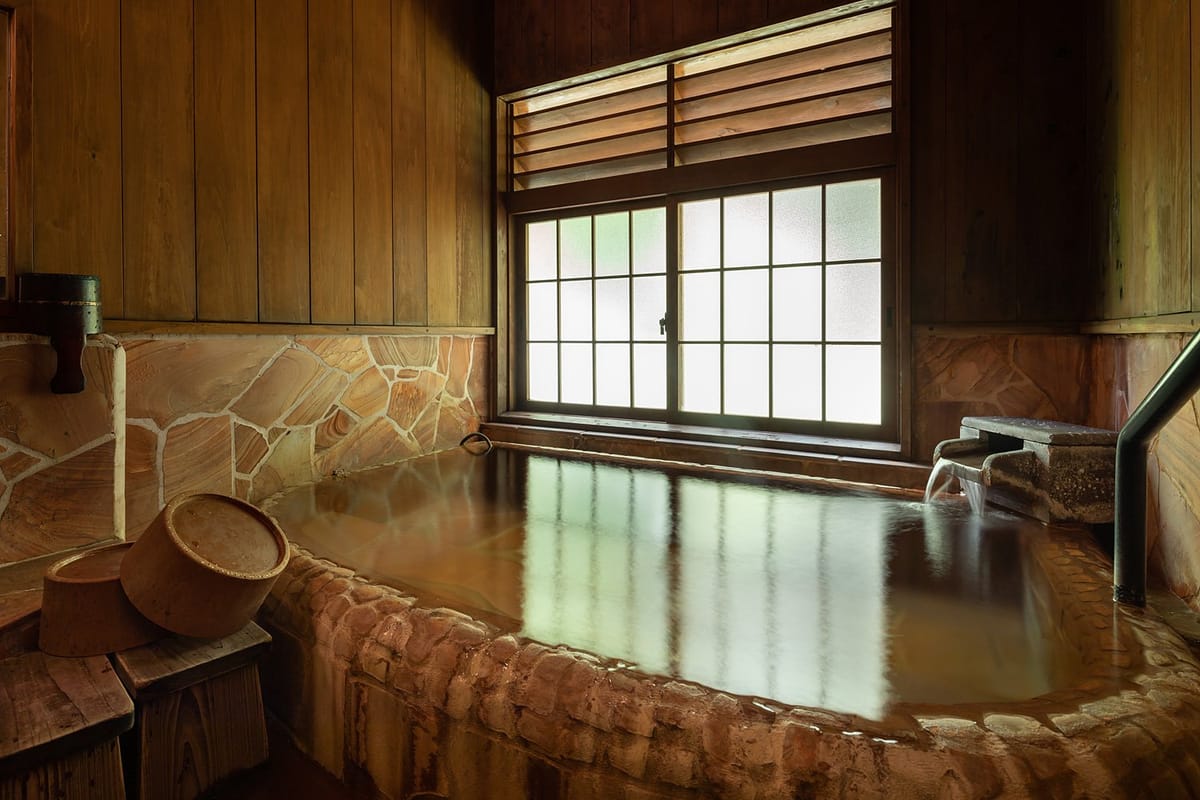
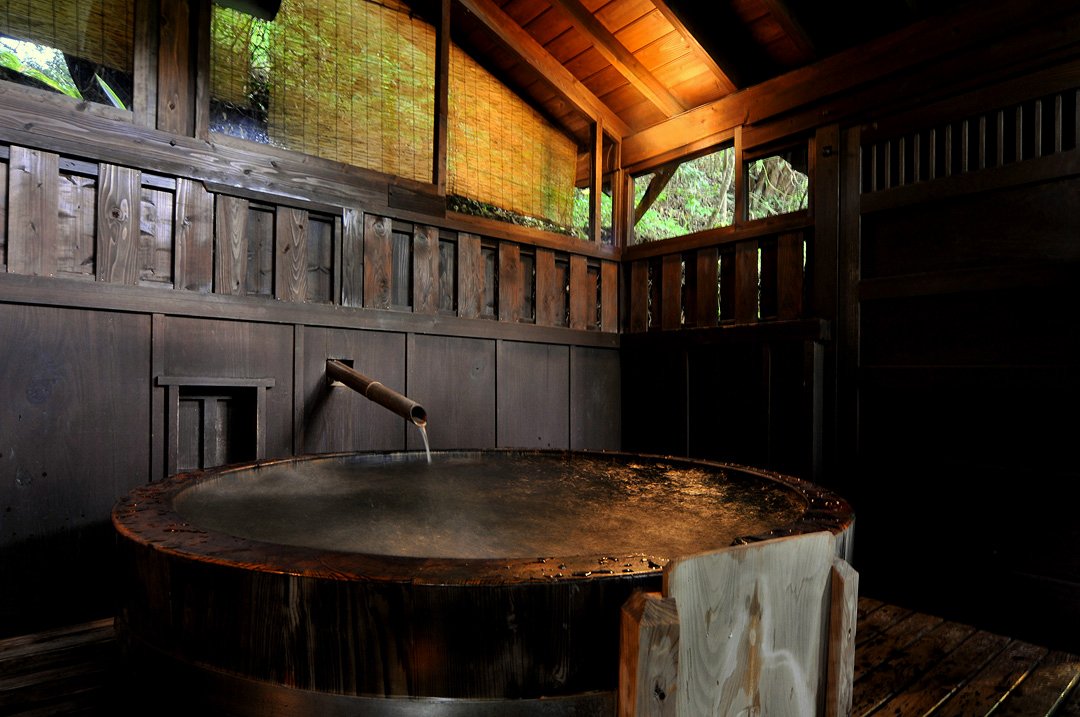
[caption id align="alignnone" width="1800"]
Okeburo Barrel Bath [/caption]
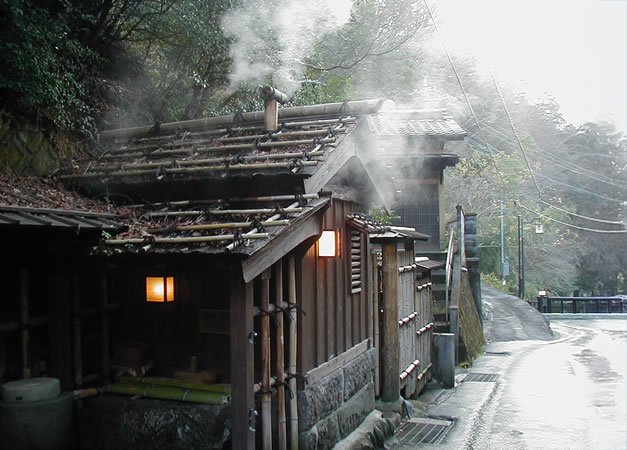
Our first stop in Korosawa Onsen was Ikoi, an ideal introduction to Ryokan and Onsen culture. A Ryokan is a traditional Japanese inn, and an Onsen refers to natural hot springs. Ikoi provides tatami rooms with straw mats, low furniture, and futons for sleeping. There are also Western-style rooms that differ only in bed type—raised beds versus rolled futons. Like all Ryokans, guests receive a yukata, a casual cotton kimono, along with an obi and uwa obi, long fabric strips used to secure the kimono as an outer belt. Wooden sandals called geta are also provided. In colder months, a hanten, a winter coat worn over kimonos, is included. Guests are expected to wear these garments when visiting the hotel or during onsen hopping.
Jasujiro Takeeda, the manager, was incredibly welcoming and guided us through Ryokan and Onsen etiquette
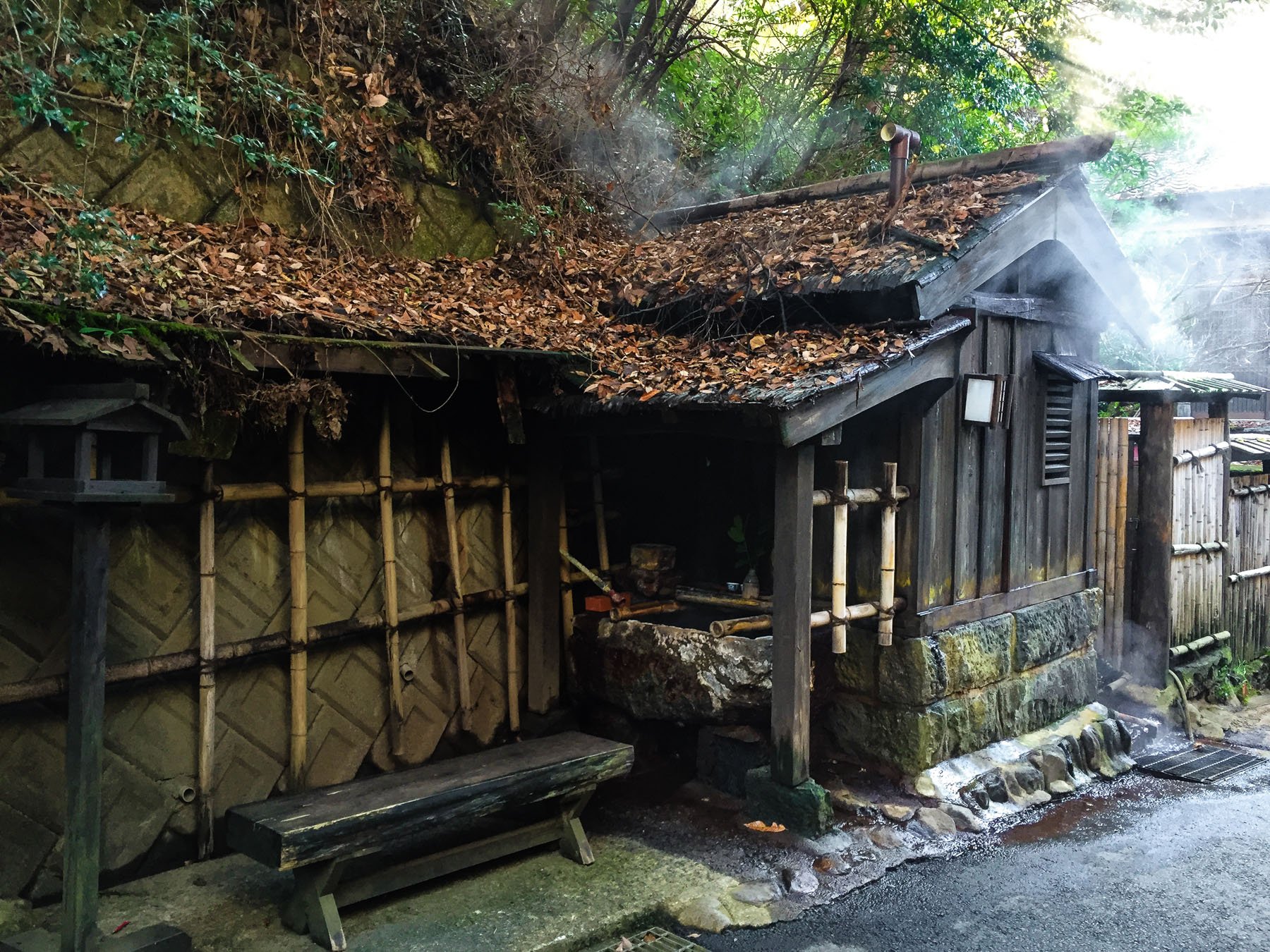
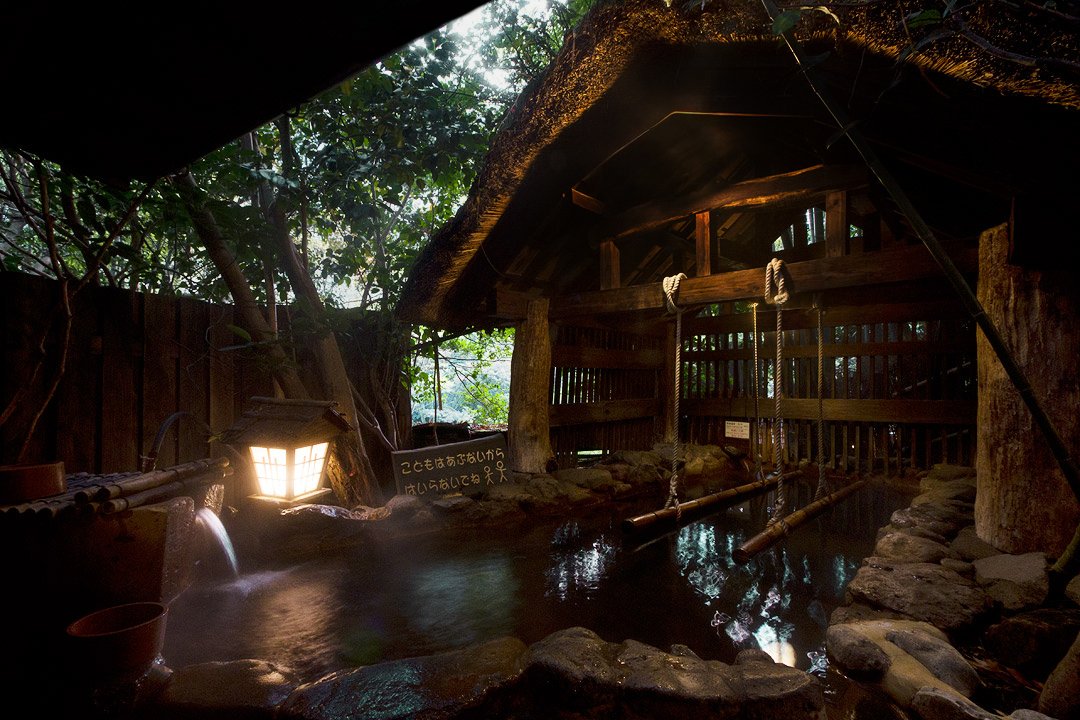
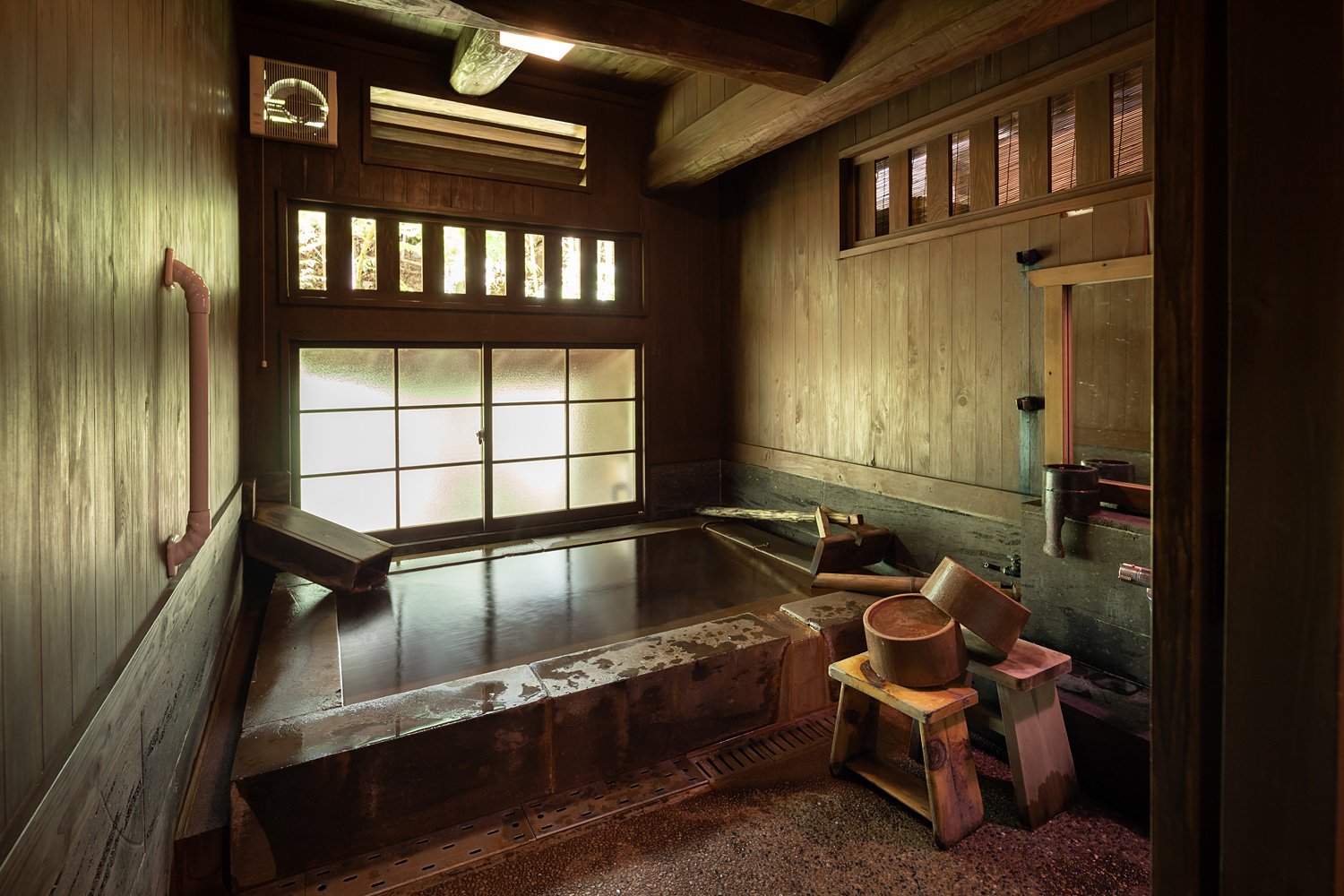
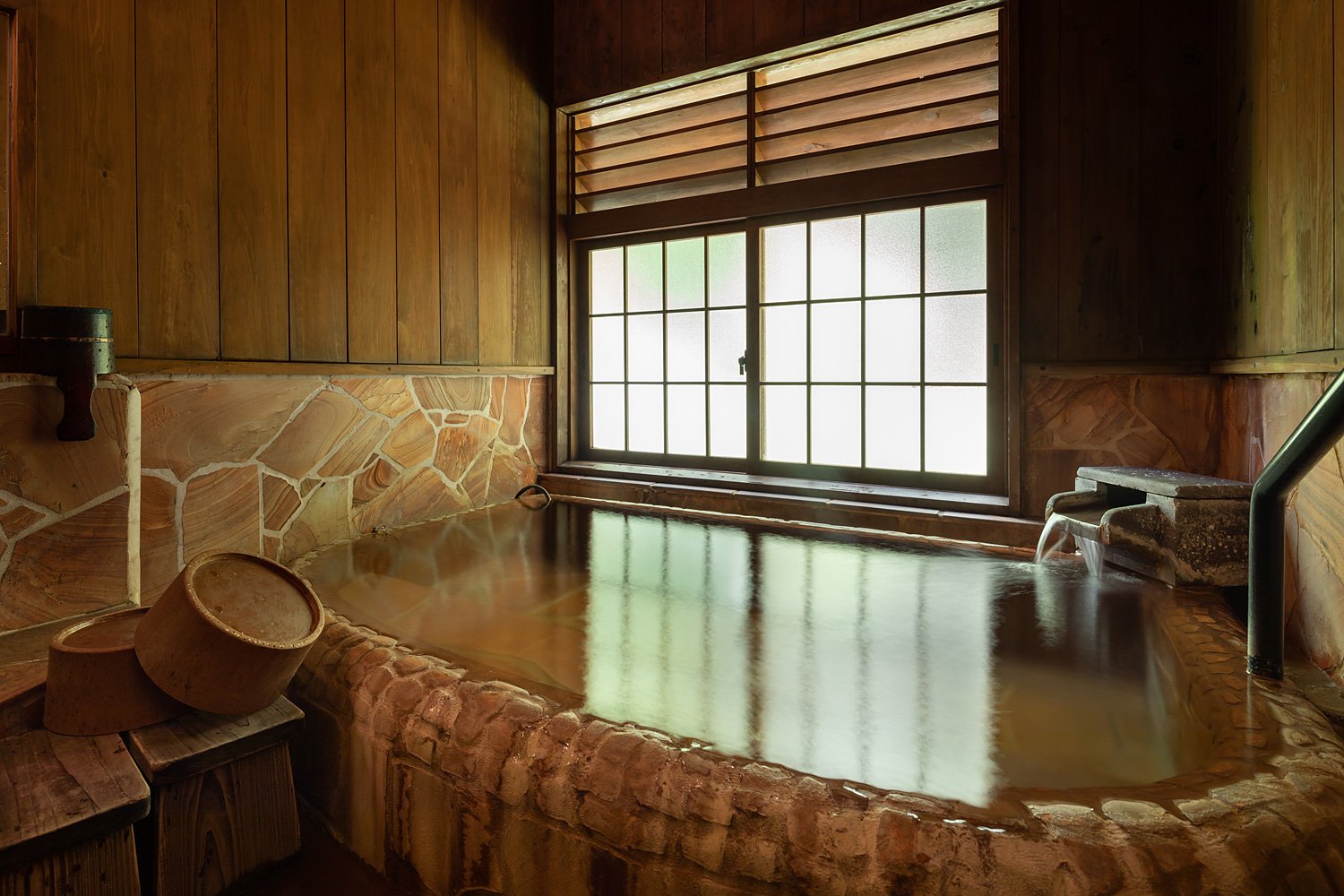
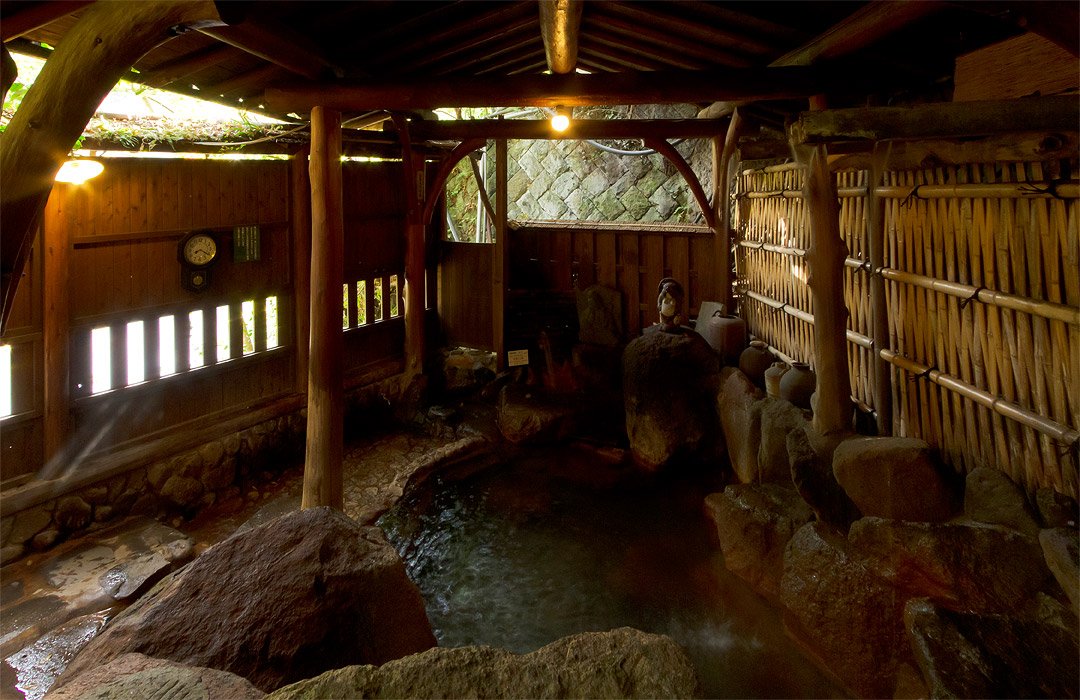
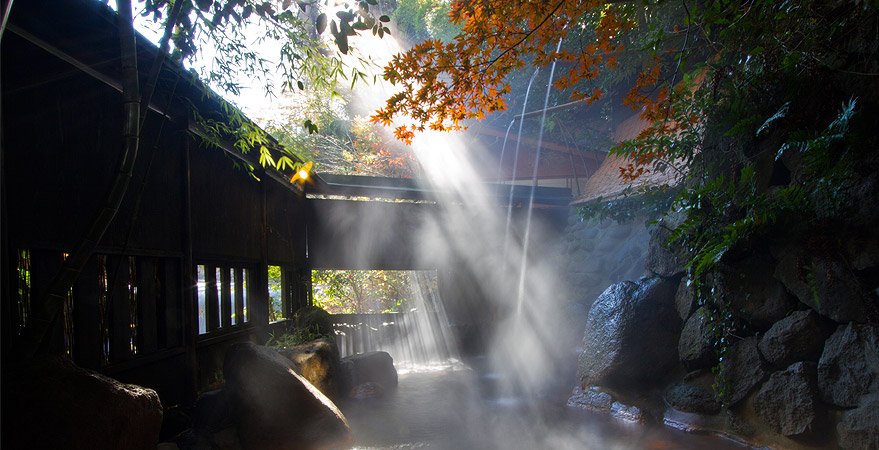
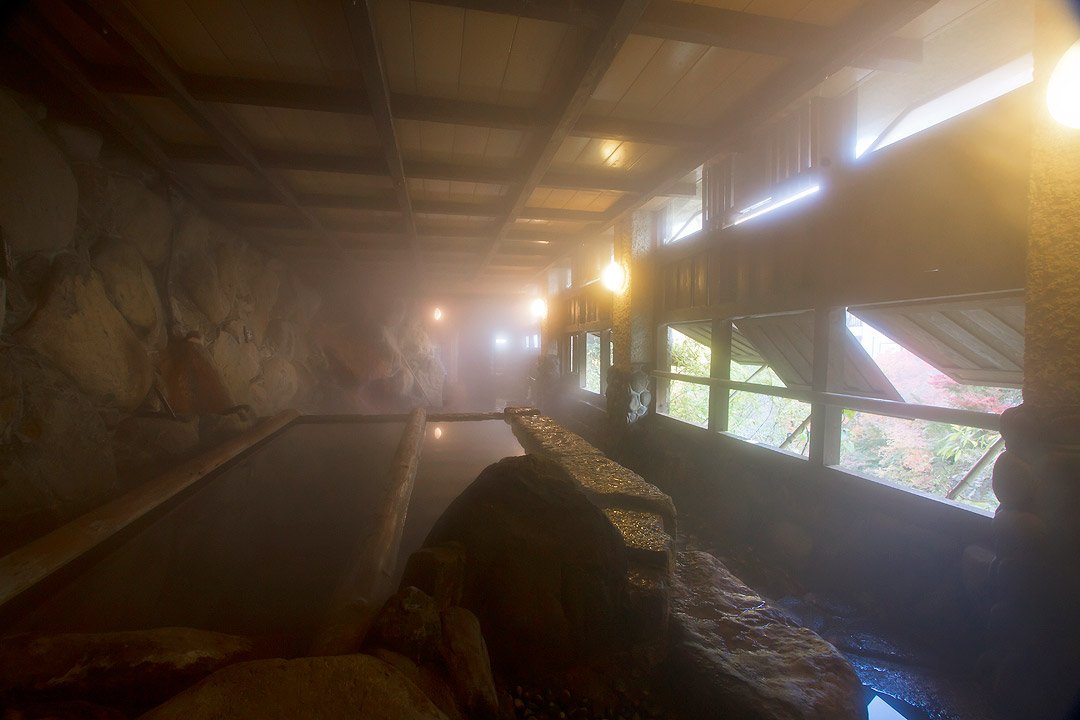
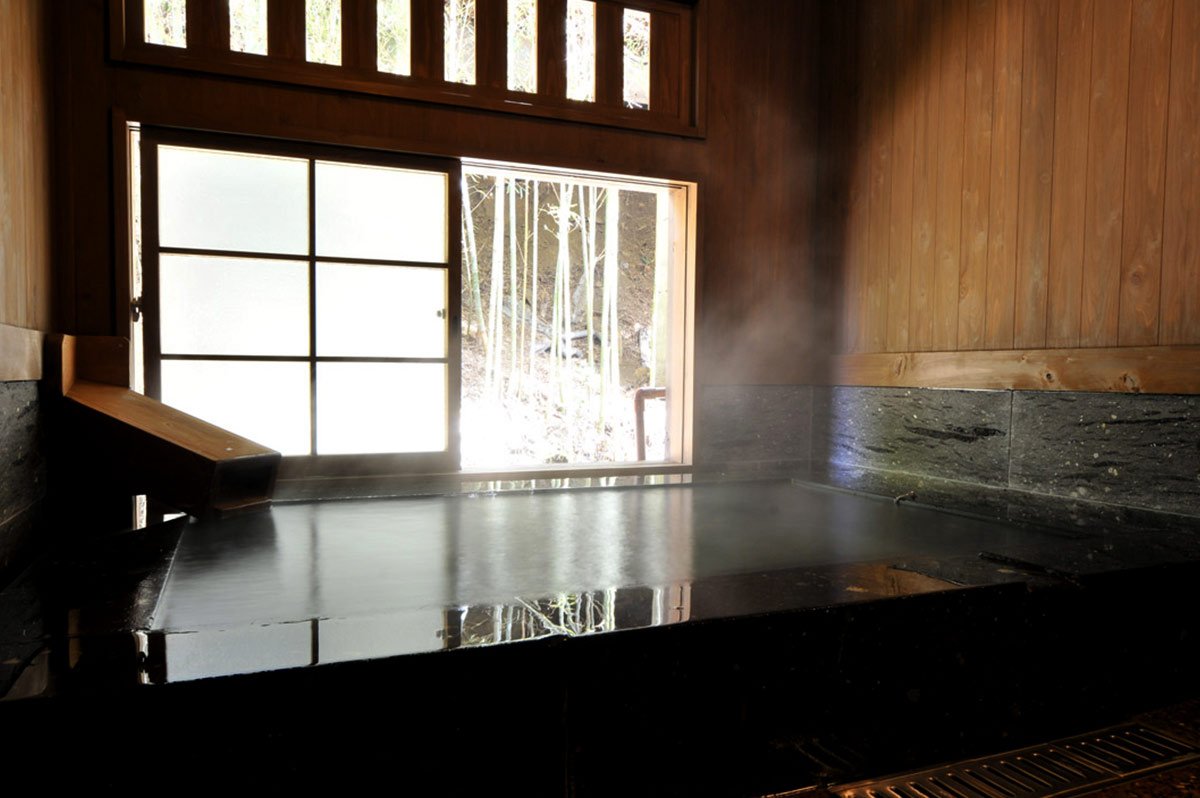
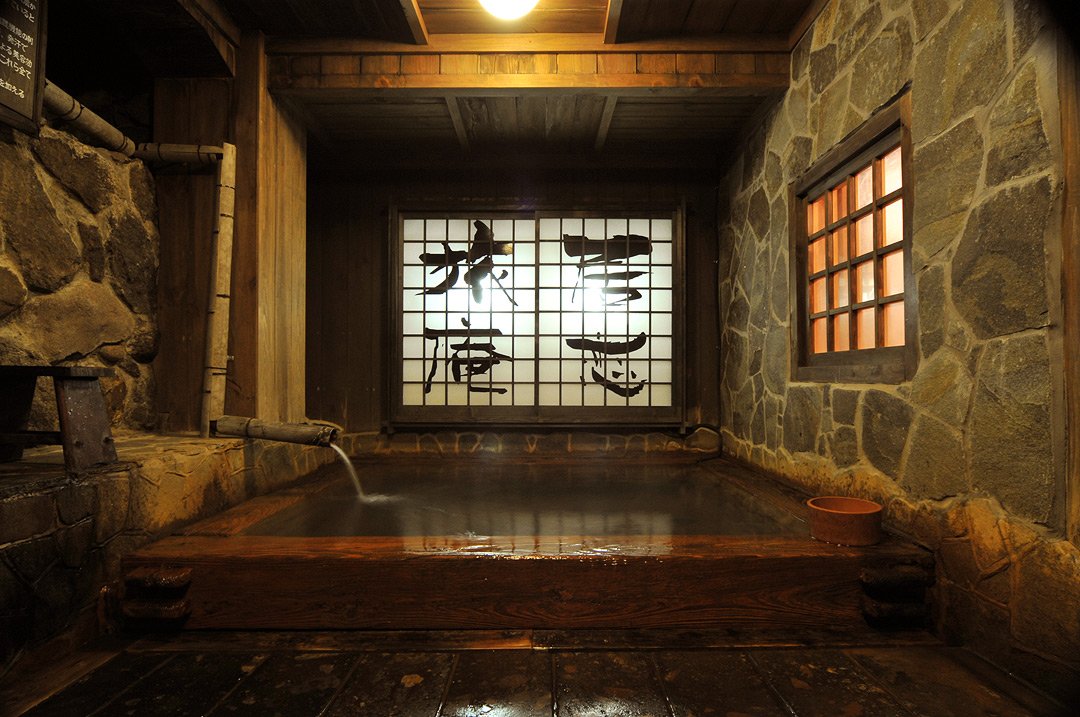
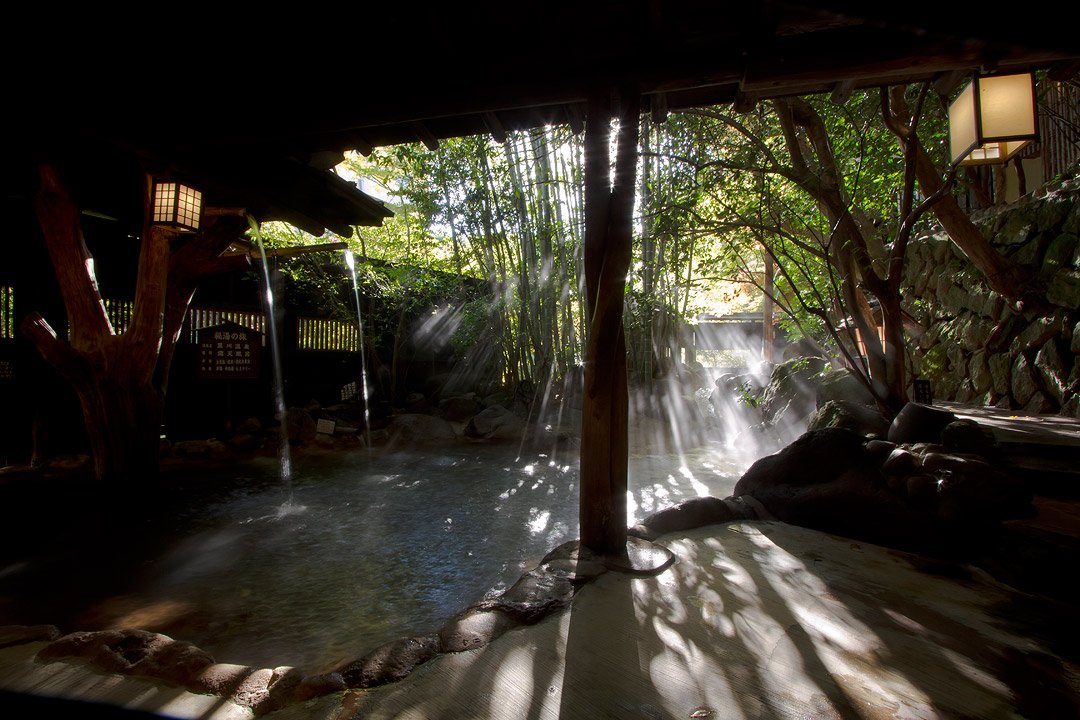
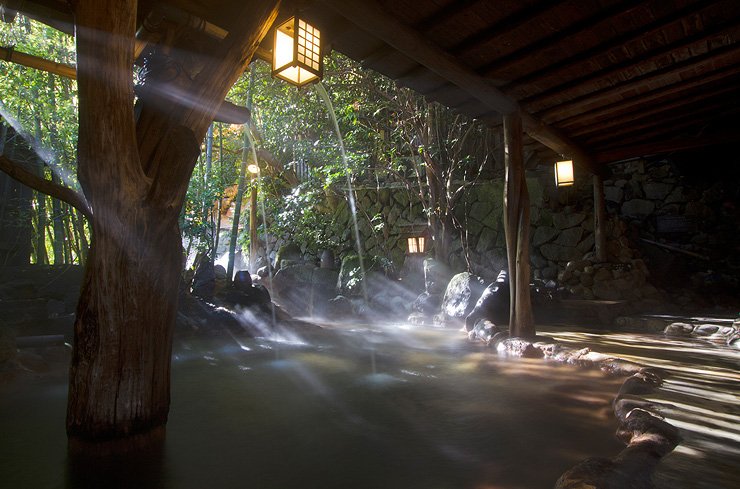
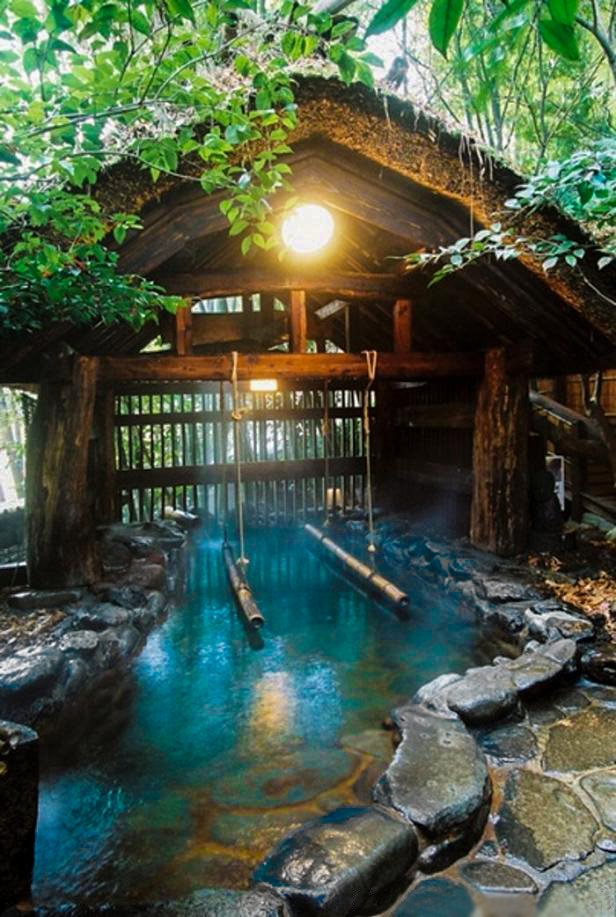
Ikoy features thirteen baths in various shapes and sizes; four of these baths are reserved for guests' private use, and they can be booked for an hour at a time. A few of the other nine baths are open to non-hotel guests, and all have different gender schedules, with a main one, Taki-no-Yu (Waterfall), being mixed-gender.
When visiting an onsen, it’s essential to follow basic etiquette to respect the space and other visitors. Before entering the bath, thoroughly wash and rinse your body—soap and shampoo should be used only in the washing area, not in the bath. Onsens are enjoyed nude, so swimsuits are not permitted, and long hair should be tied up to prevent it from entering the water. Inside, keep your towel out of the bath, speak quietly, and refrain from splashing or using it. After soaking, it’s a good idea not to rinse off again, letting the mineral-rich water nourish the skin. It's also customary to rest and hydrate before continuing with your day.
The Izumi (hot spring) flows with pure geothermal water, naturally rich in salt, sulfur, and hydrogen sulfide, and emerges at a soothing 68 °C. Classified as a simple hot spring, it is said to help with wounds, rheumatism, neuralgia, muscle pain, sprains, fatigue recovery, and even stress-related conditions.
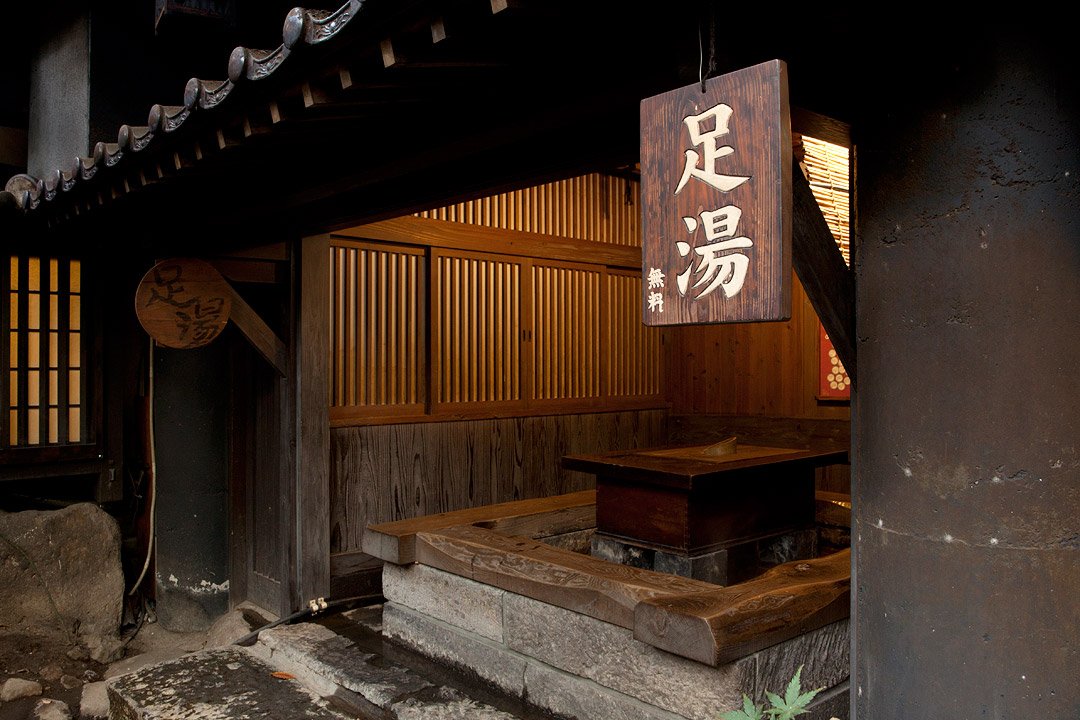
There is also a foot bath, located outside the hotel, perfect for cold nights to sit and enjoy some drinks while soaking your feet in the hot onsen and taking in the fresh air.
[caption id align="alignnone" width="1500"]
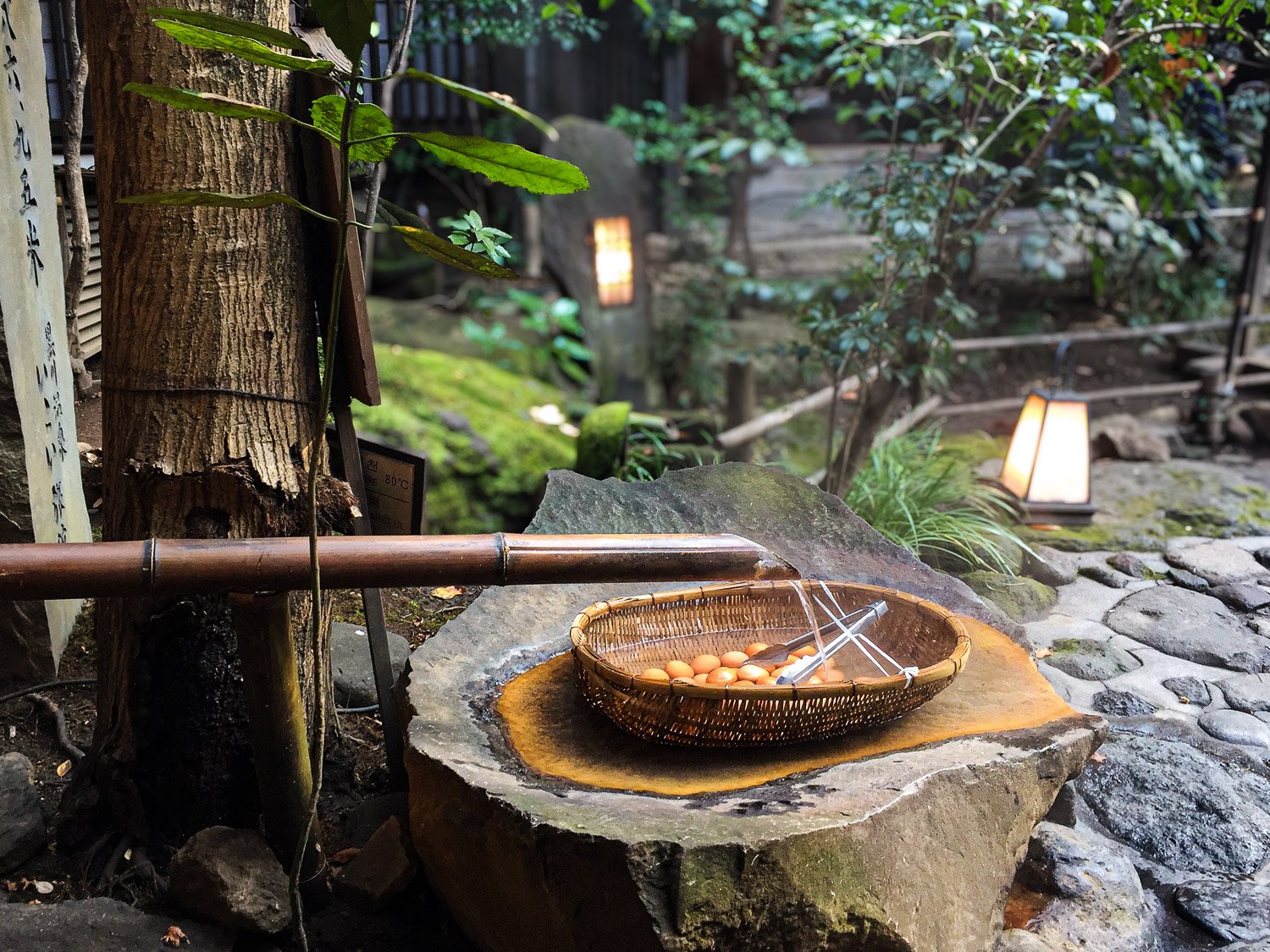
Hard-boiled eggs in hot spring water [/caption]
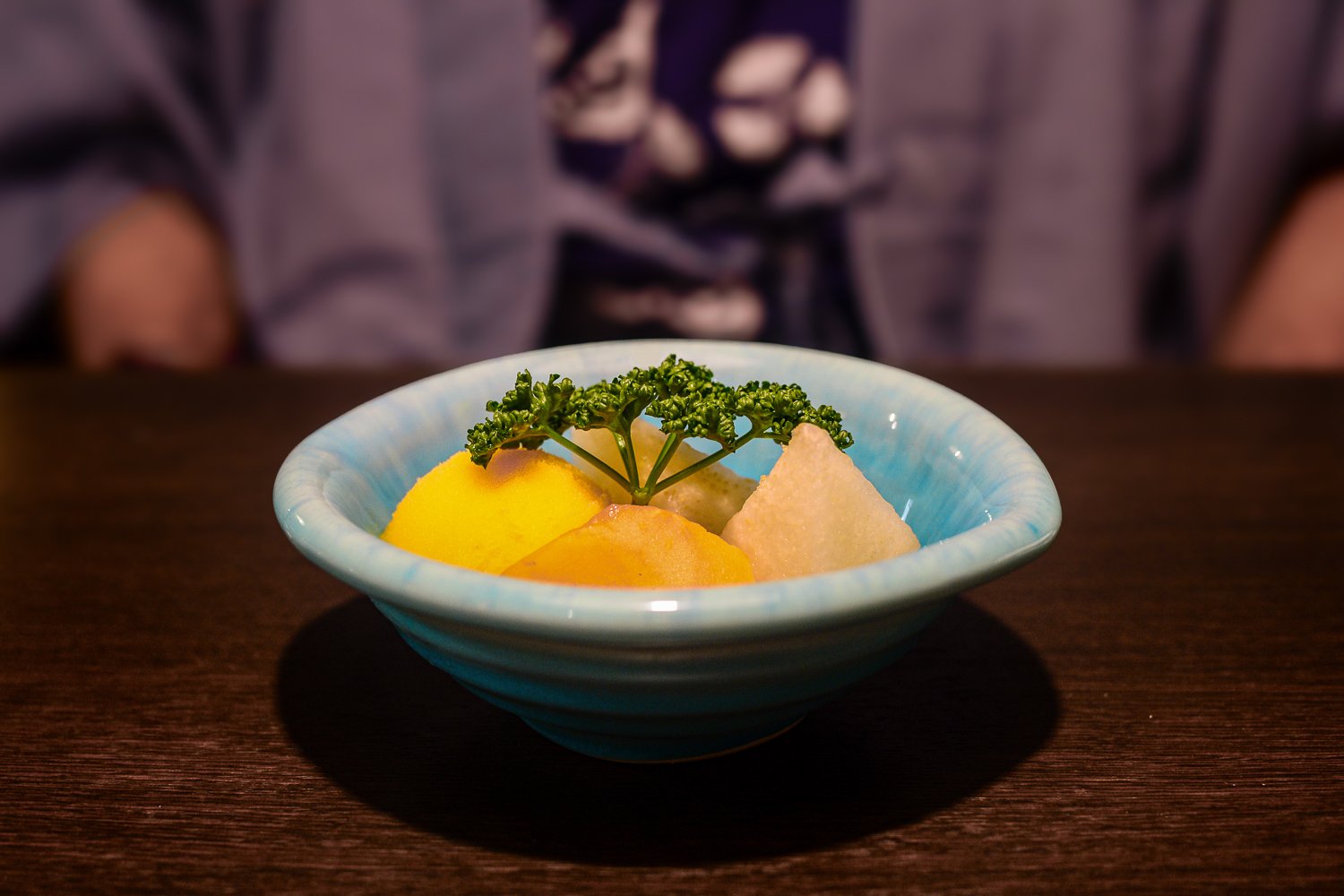
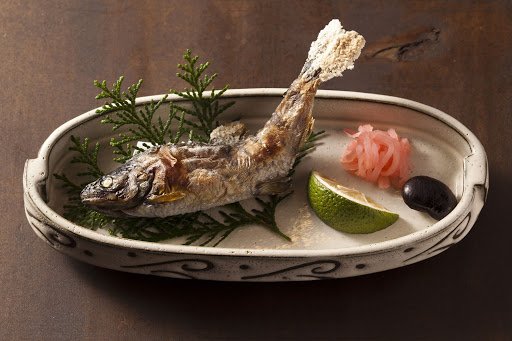
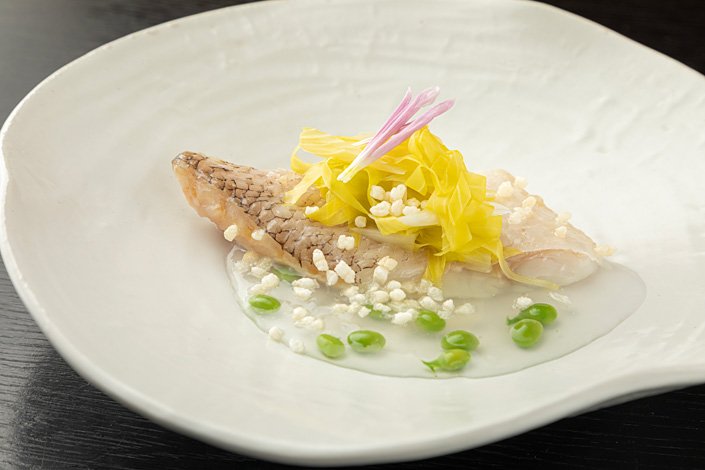
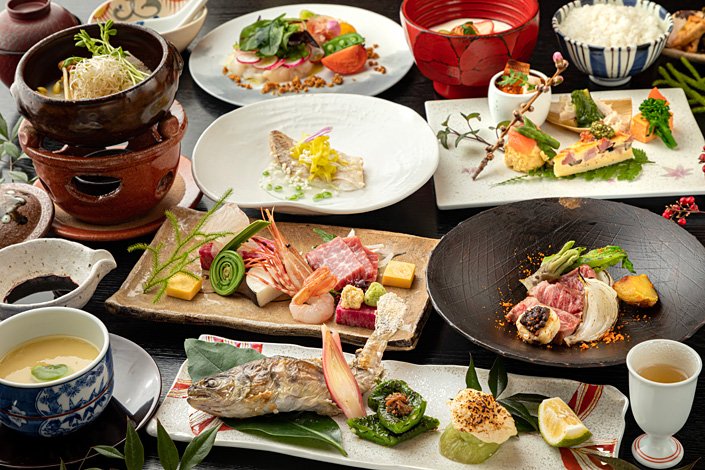
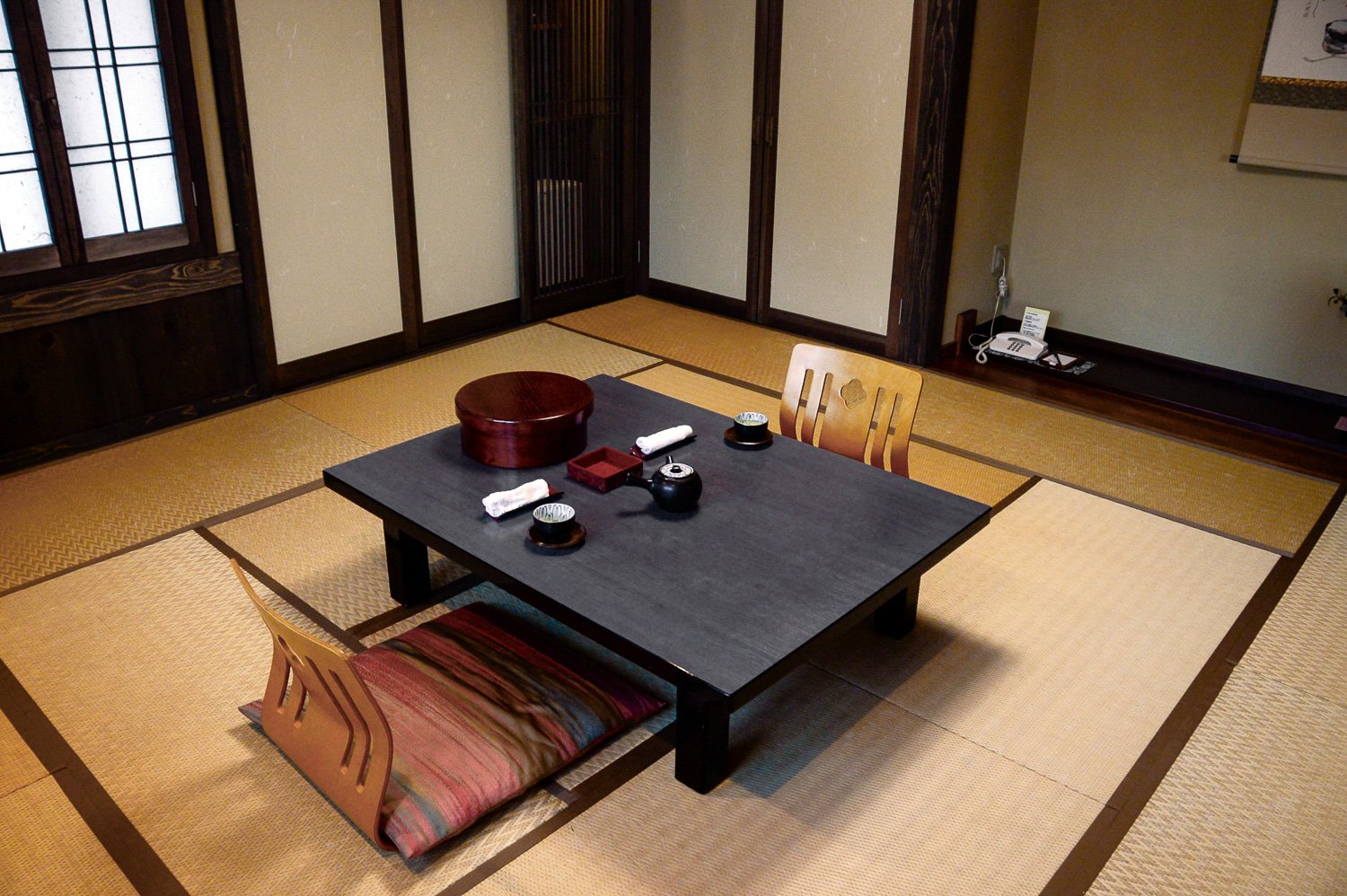
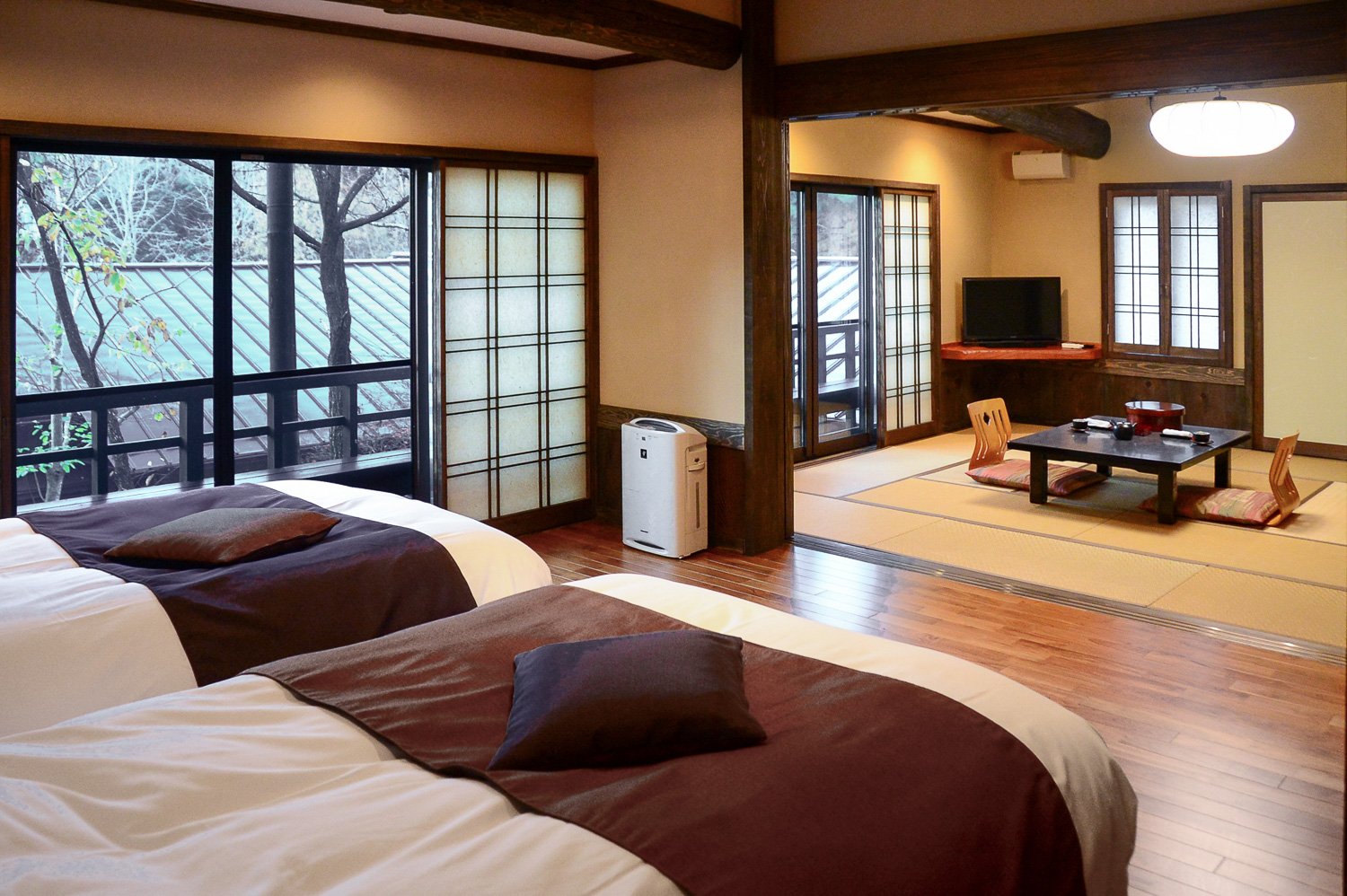
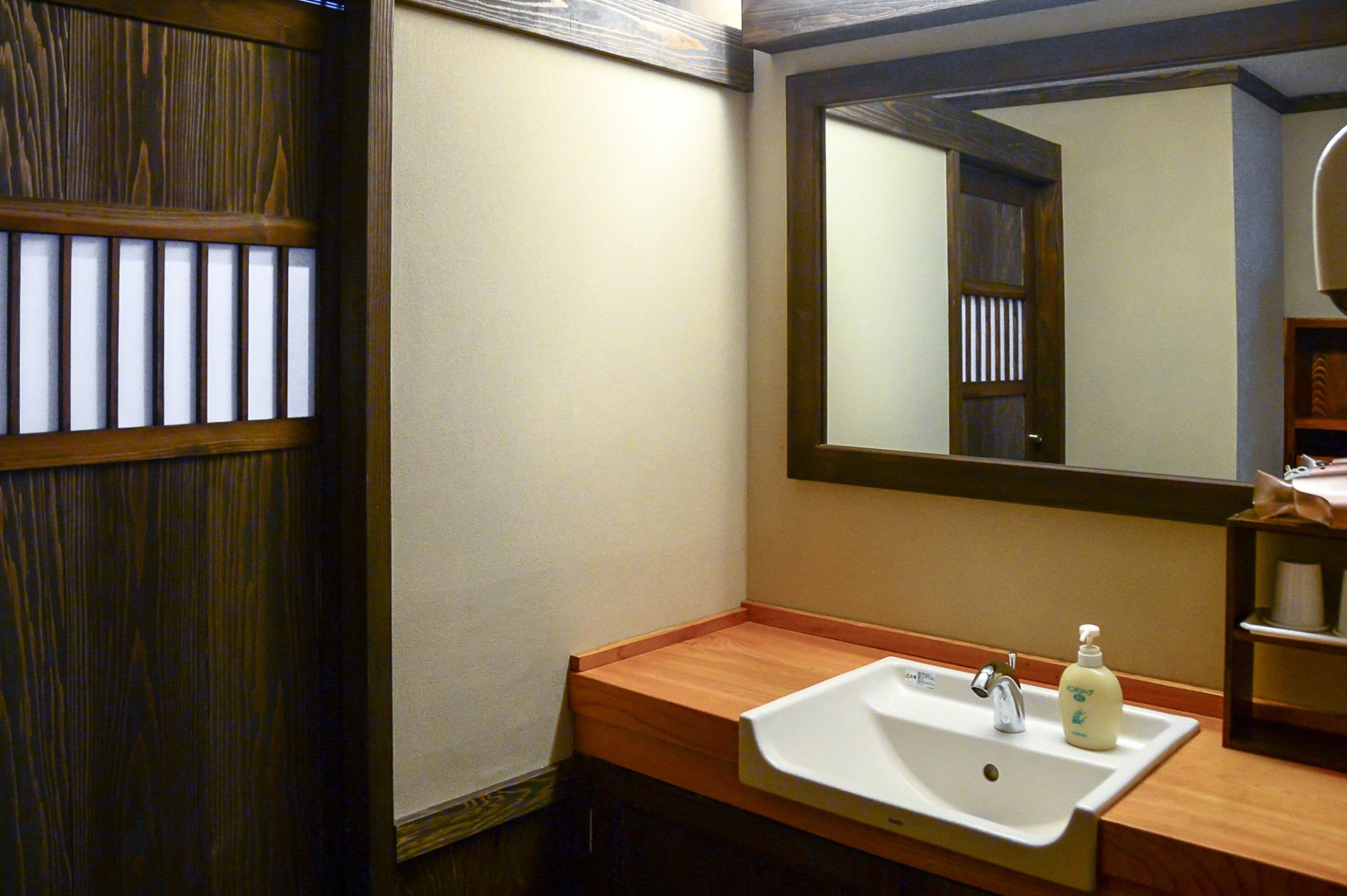
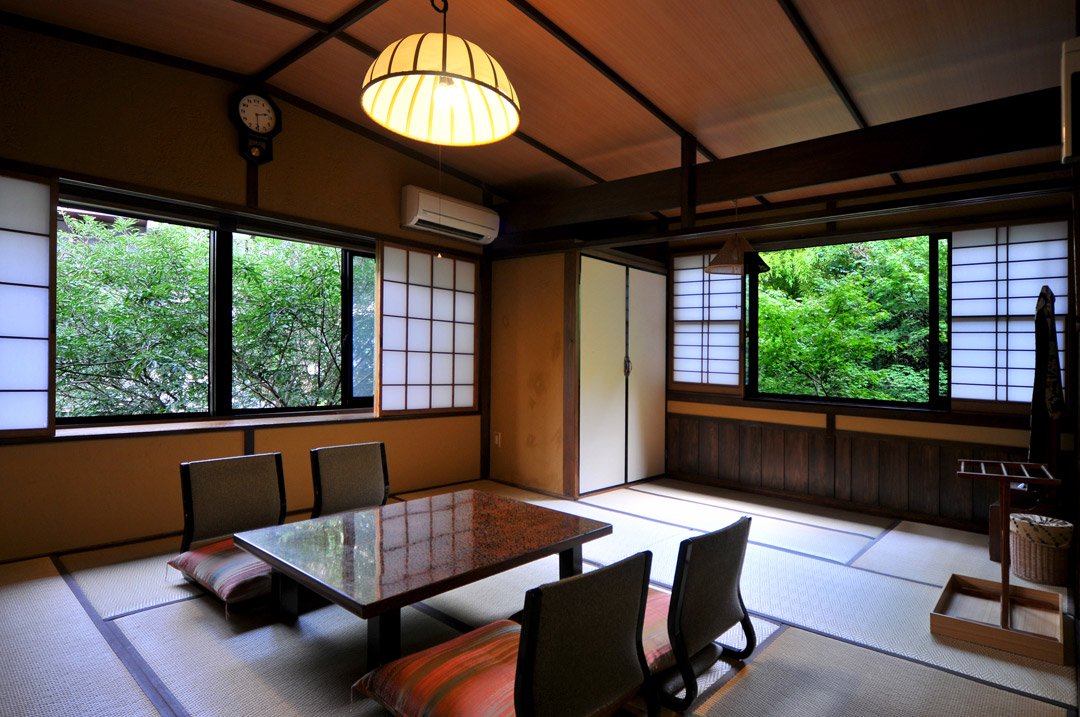
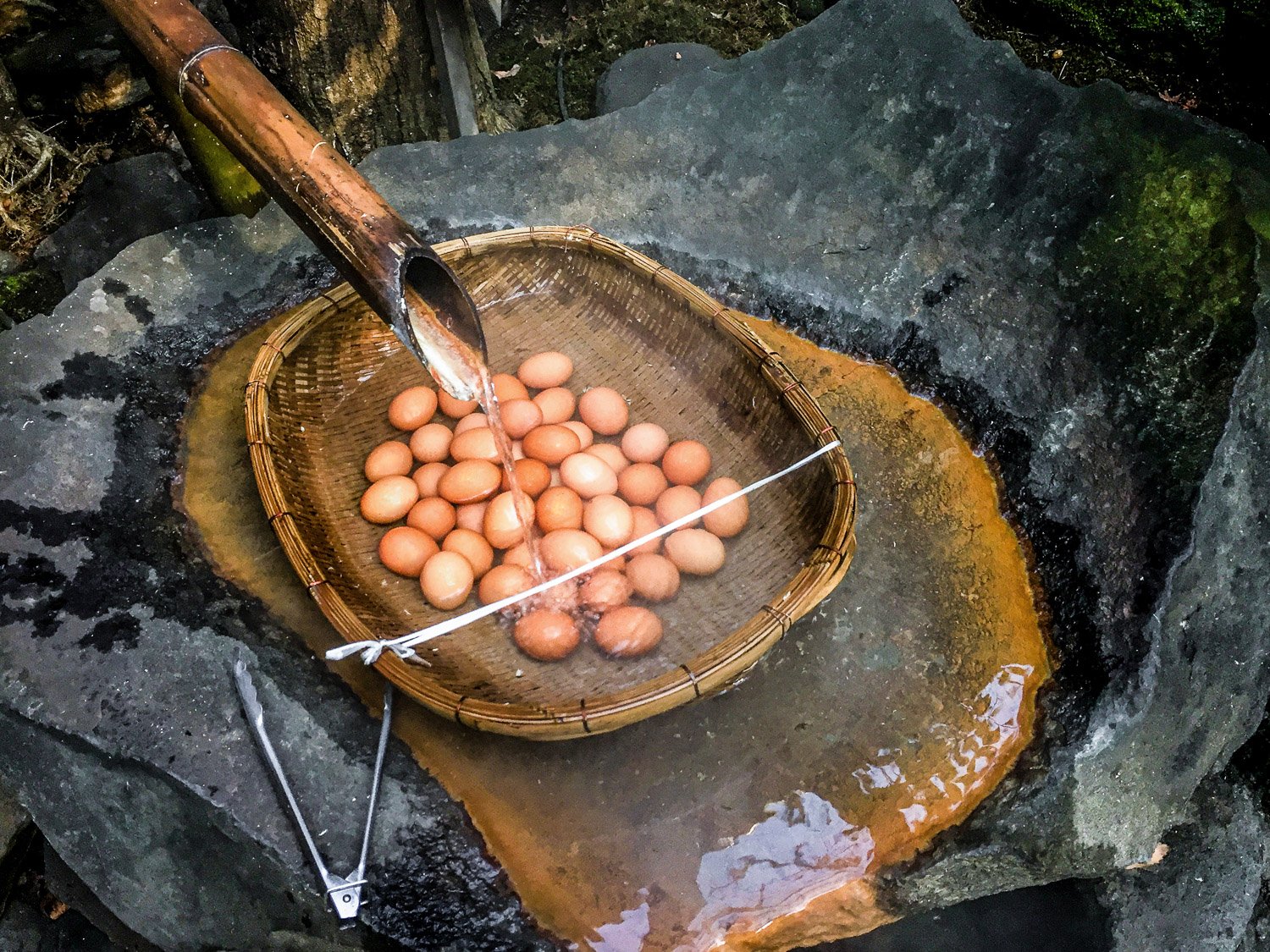
Our stay included a huge breakfast and an even bigger dinner. Ryokans usually do not include lunch service, as afternoons are reserved for onsen hoping, which is not recommended when you have a full stomach. The idea is to be rewarded at the end of the day with a Kaiseki dinner, which is a very elaborate and beautifully presented multi-course meal showcasing seasonal ingredients. Takeeda was very helpful and accommodating of our pescatarian diet.
Note: To make reservations at most traditional ryokans, especially in remote areas, it is recommended to do so by phone. If you know someone who can speak Japanese and make the reservation for you, that is ideal. When we started planning our trip, all the ryokan websites gave us a negative answer regarding availability. A month later, we asked a Japanese friend to help us find a place, and to our surprise, a few of the places we had been denied access to a month earlier were now available. If you don't have a Japanese friend to book for you, you can always contact the local Japan tourism office or agency through the Japanese consulate in your country.
Ikoi-Ryokan
(81) 096.744.0552
南小国町 Manganji, 6 5 4 8, 黒川温泉川端通り Kumamoto Prefecture, Aso District, 869-2400,
Japan www.ikoi-ryokan.com
That photo on the left is what inspired us to travel around the world, leading us to this amazing spot.