The Idyllic Ninna-ji Temple in Kyoto
[caption id align="alignnone" width="2048"]
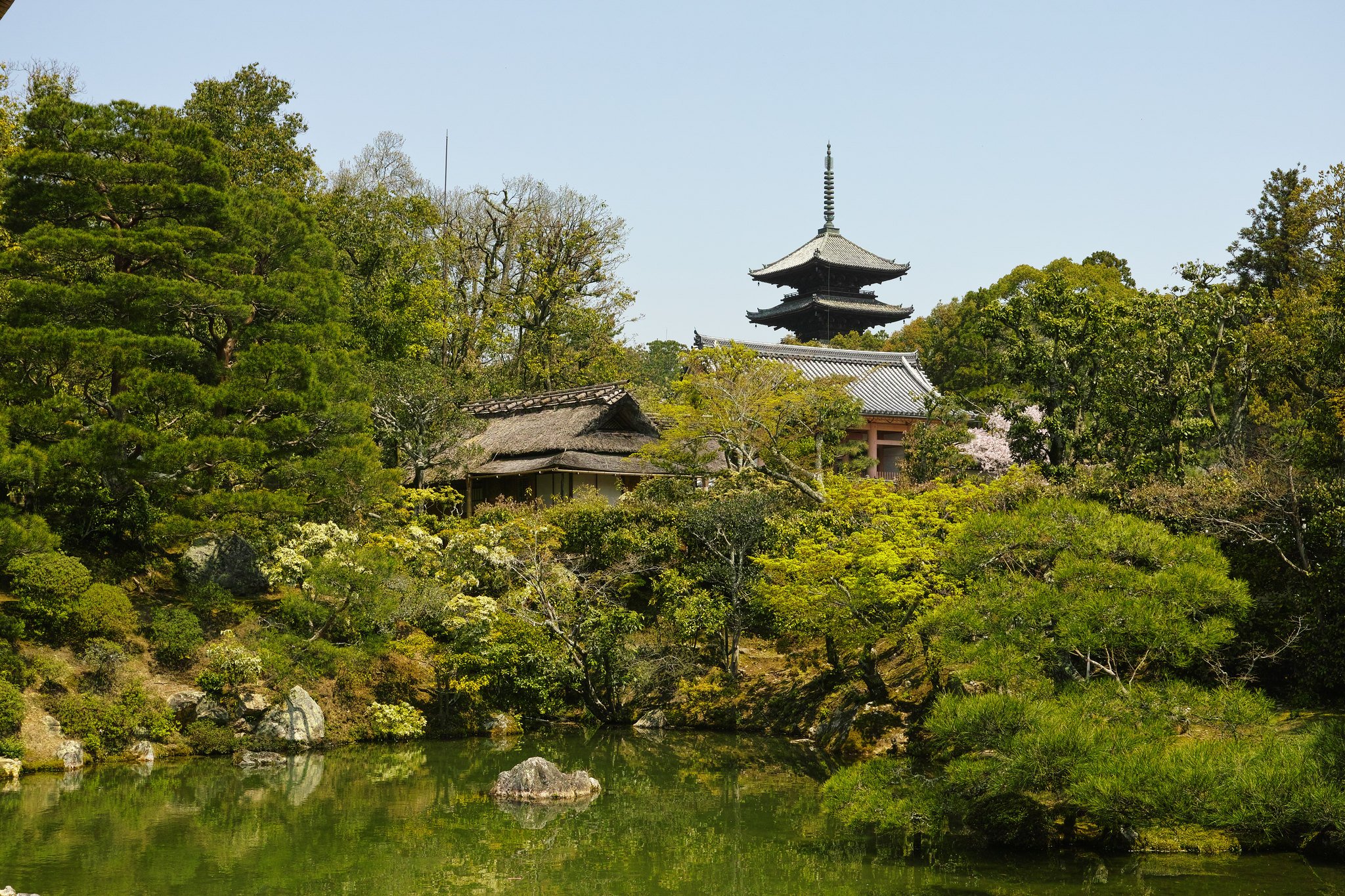
photo © bethom33 [/caption]
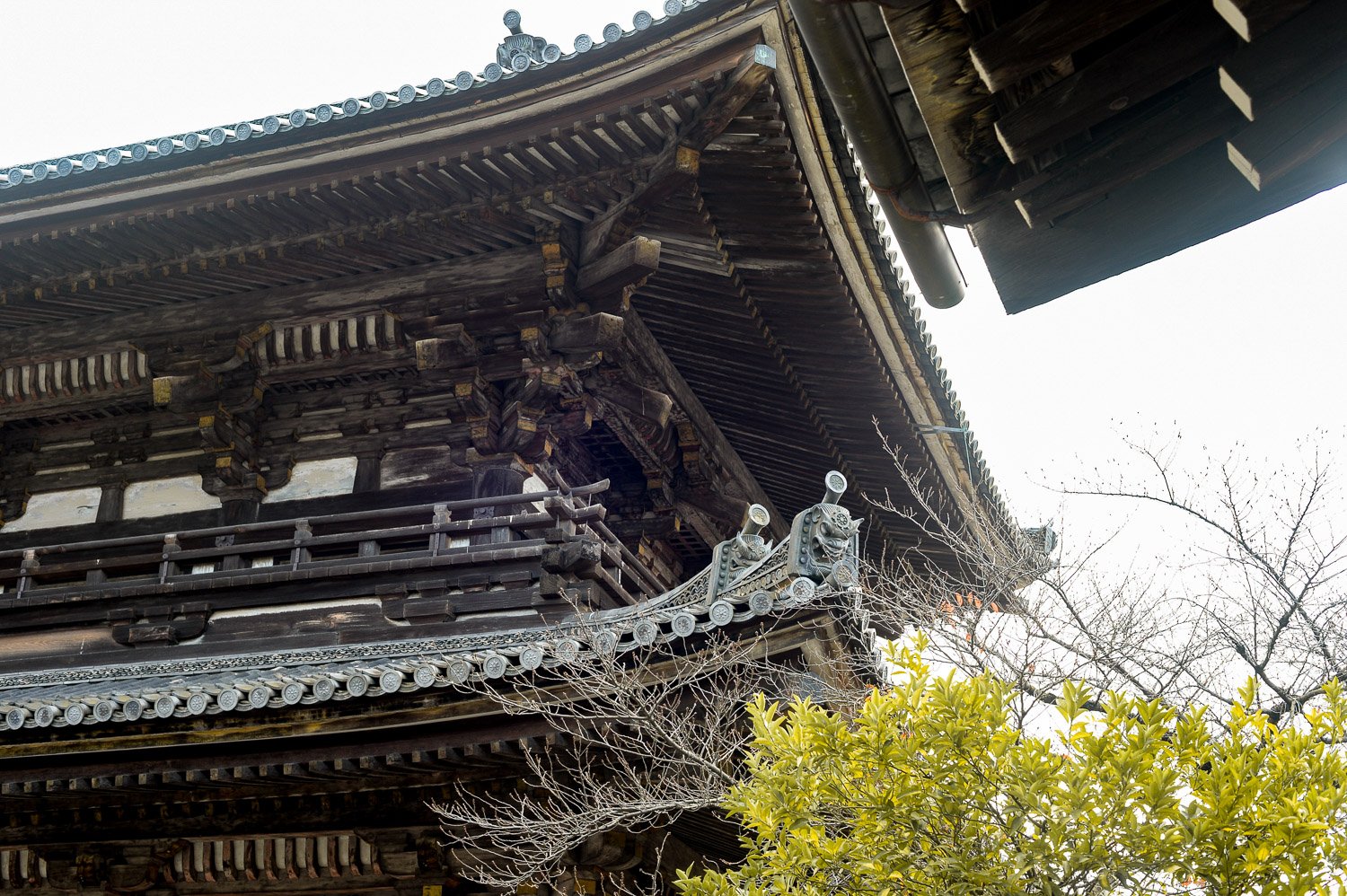
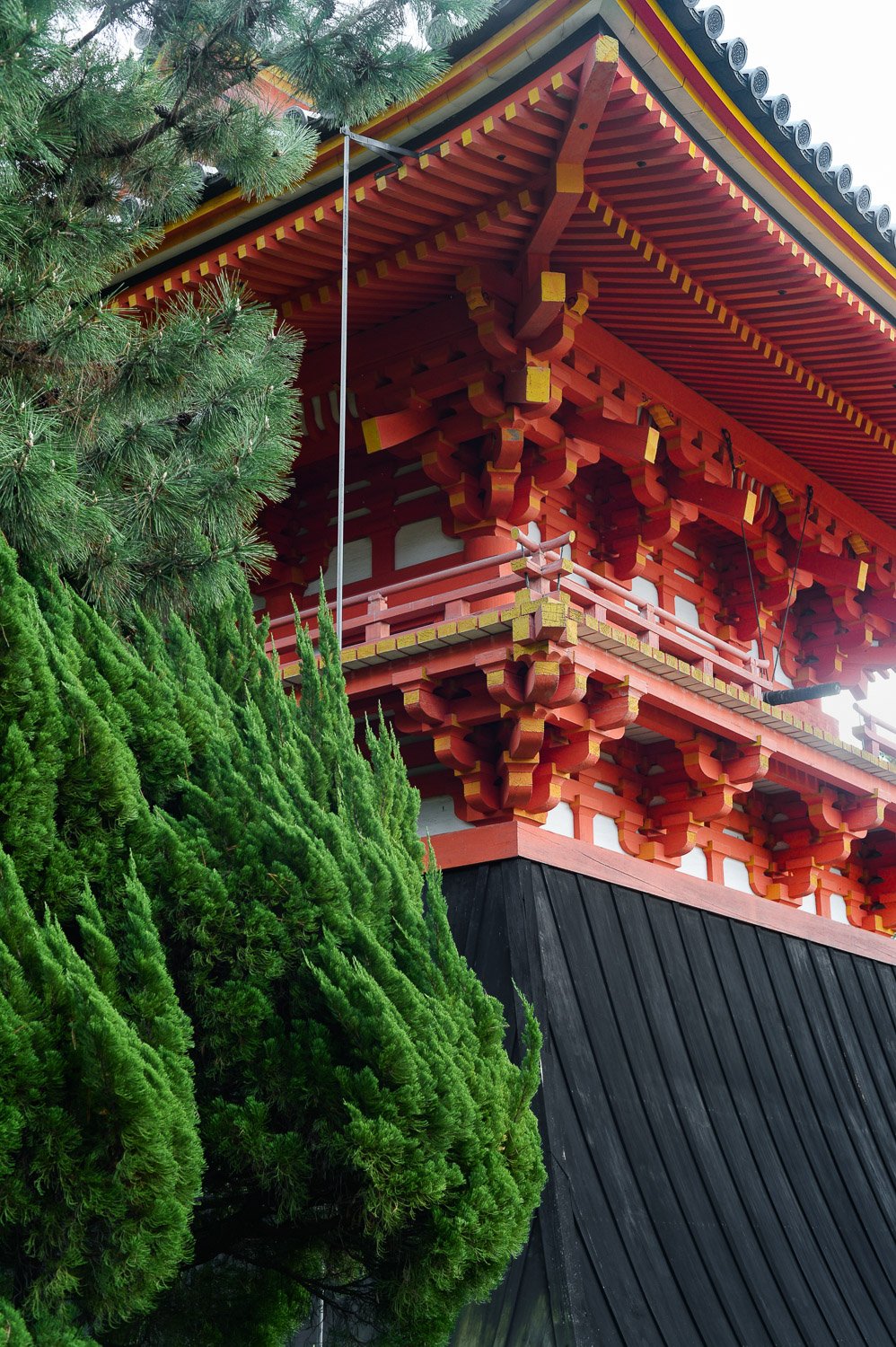
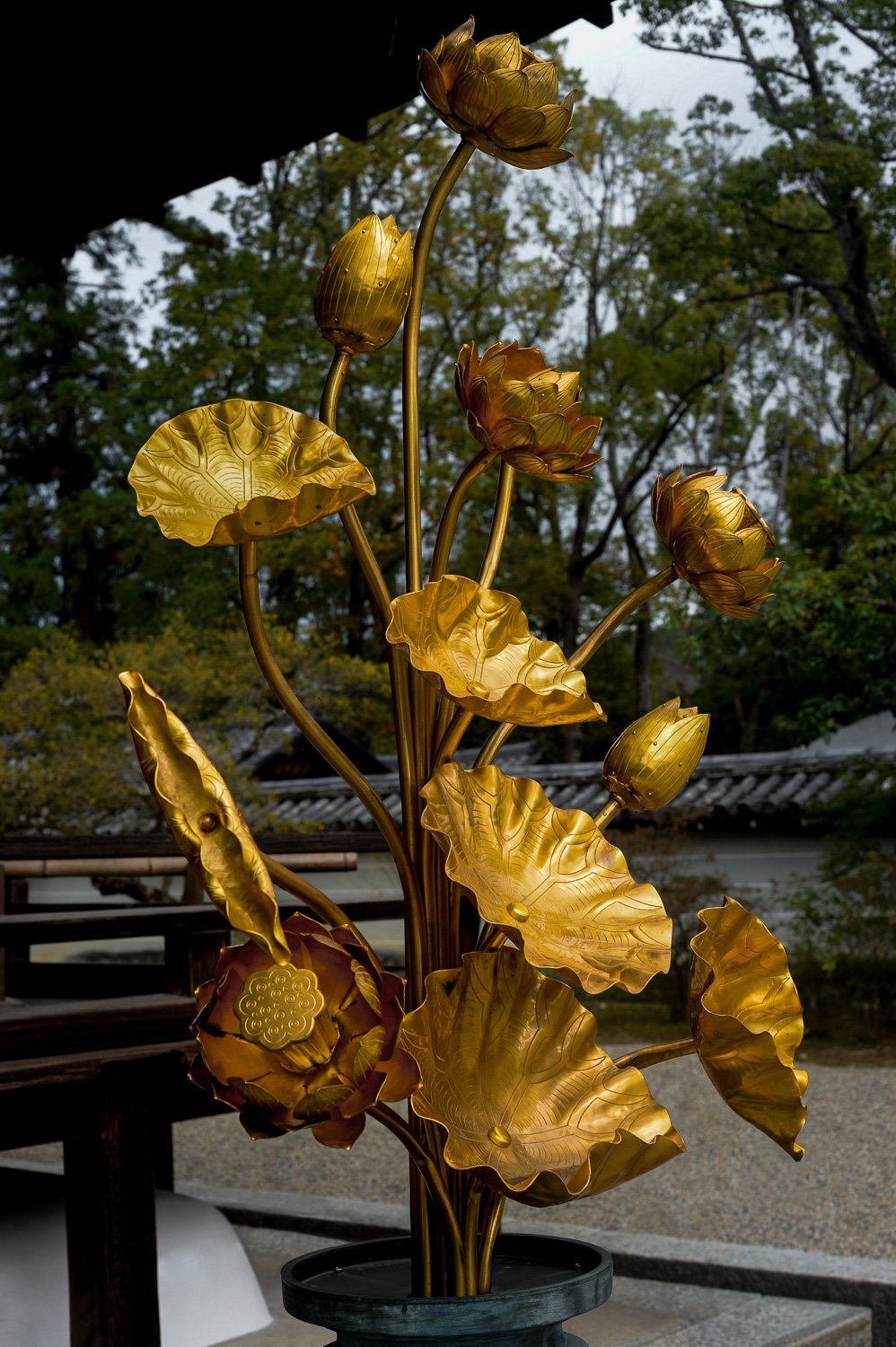
In Kyoto’s quiet northwest, away from the rush of the city, lies Ninna-ji Temple — a place where time seems to soften and history lingers in every wooden beam. The temple was first commissioned in 886 by Emperor Kōkō and completed under his son, Emperor Uda. For centuries, Ninna-ji remained deeply entwined with the imperial family, with emperors and princes often serving as heads of the Omuro School of the Shingon sect of Buddhism.
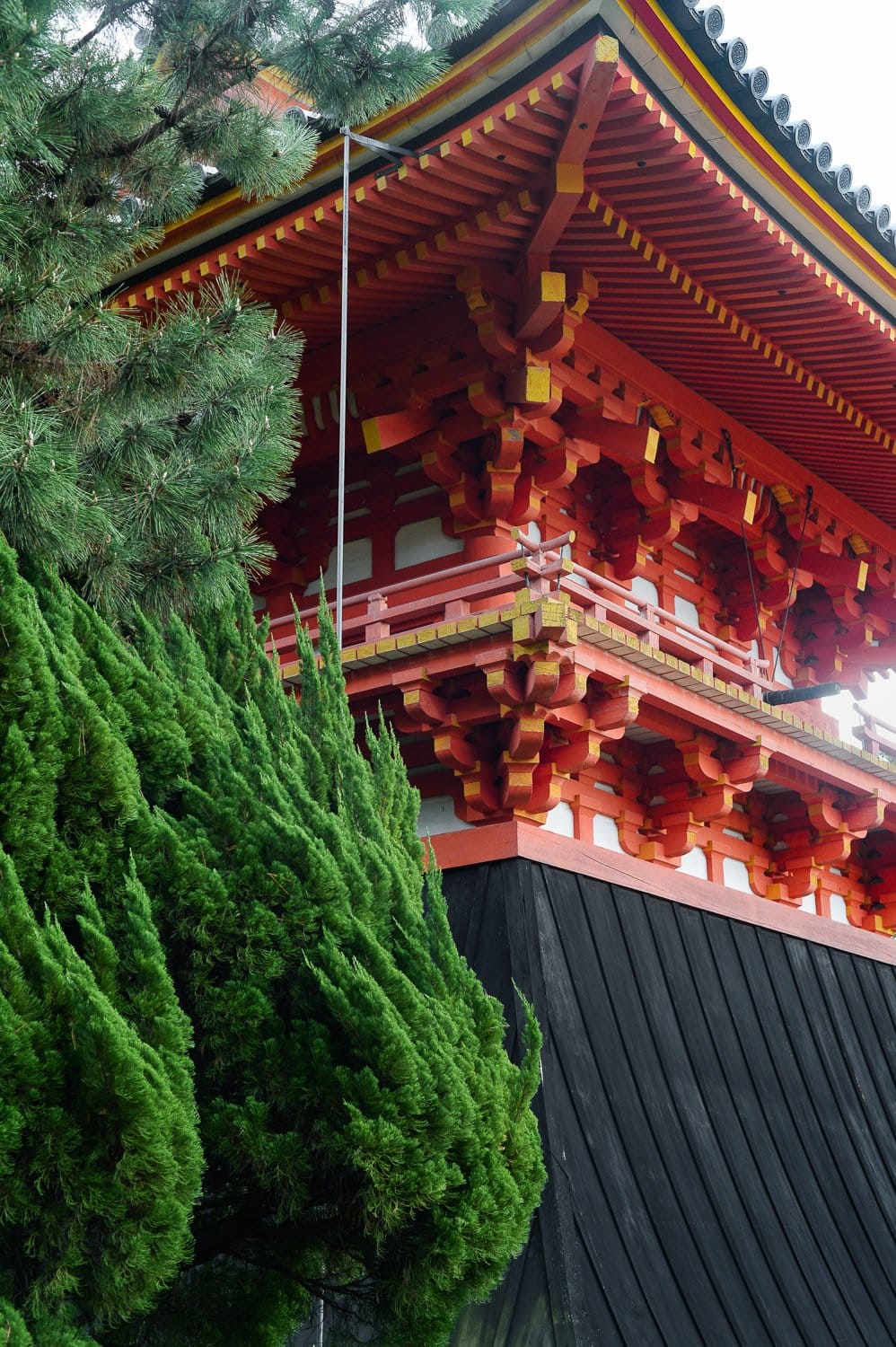
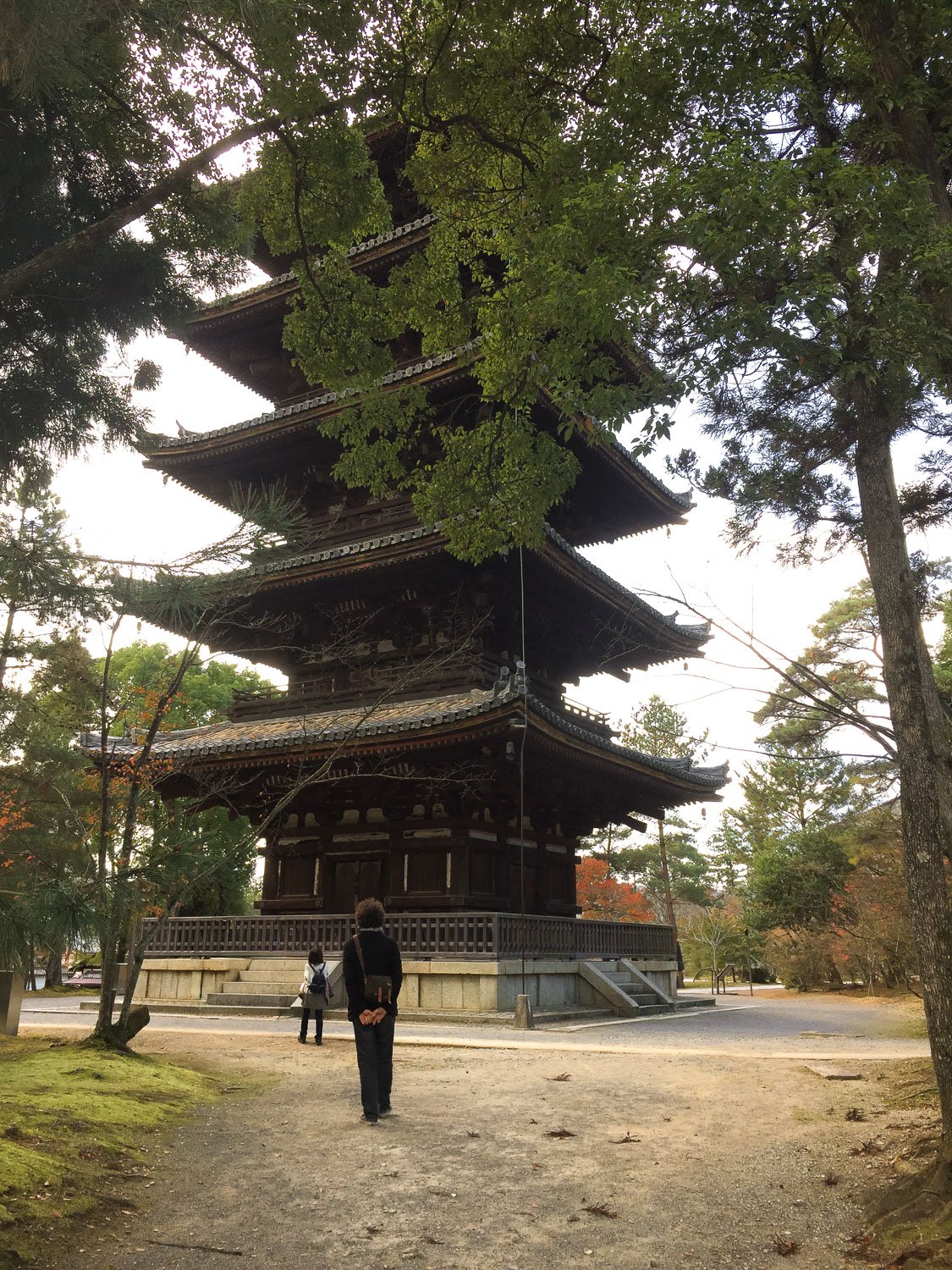
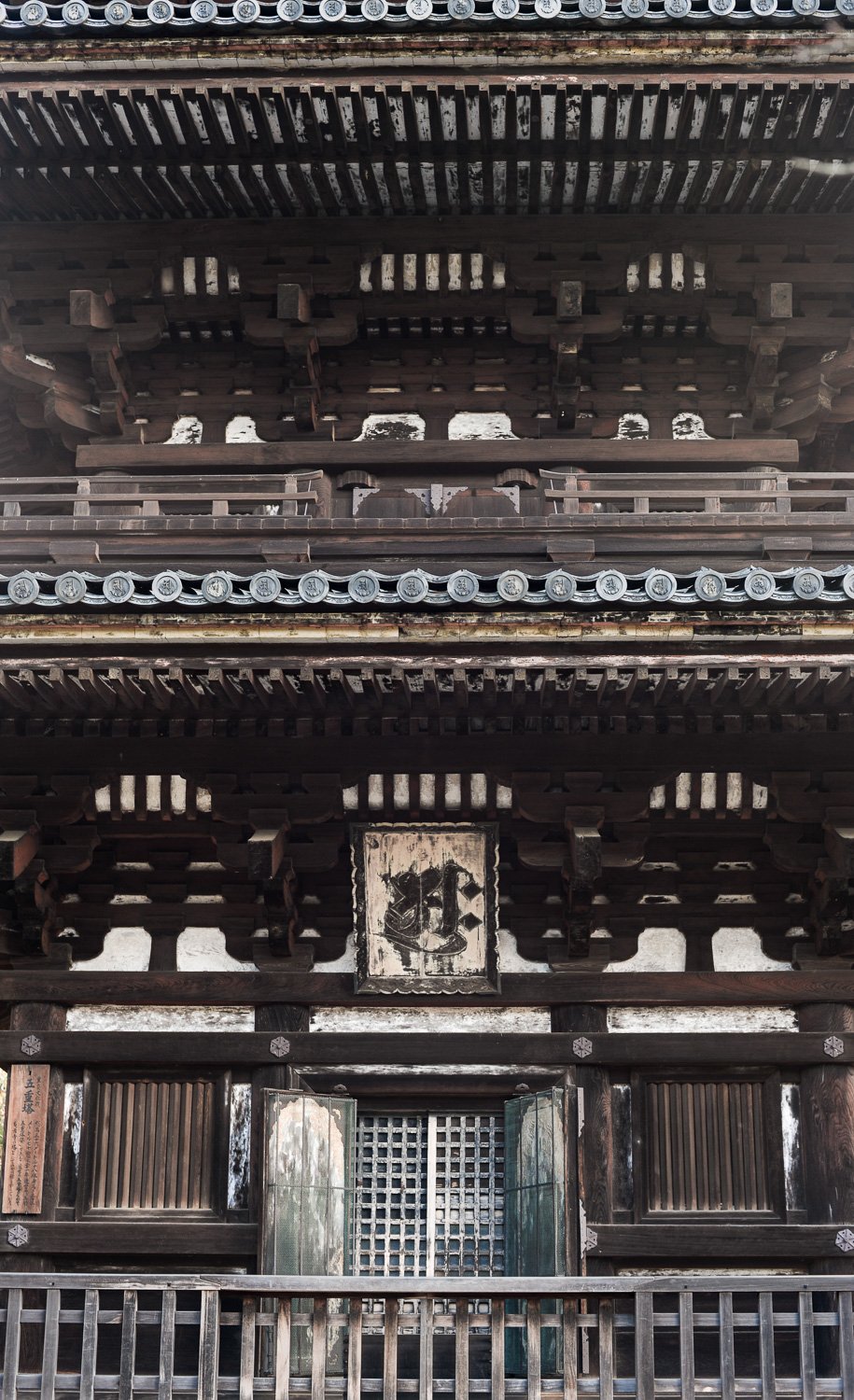
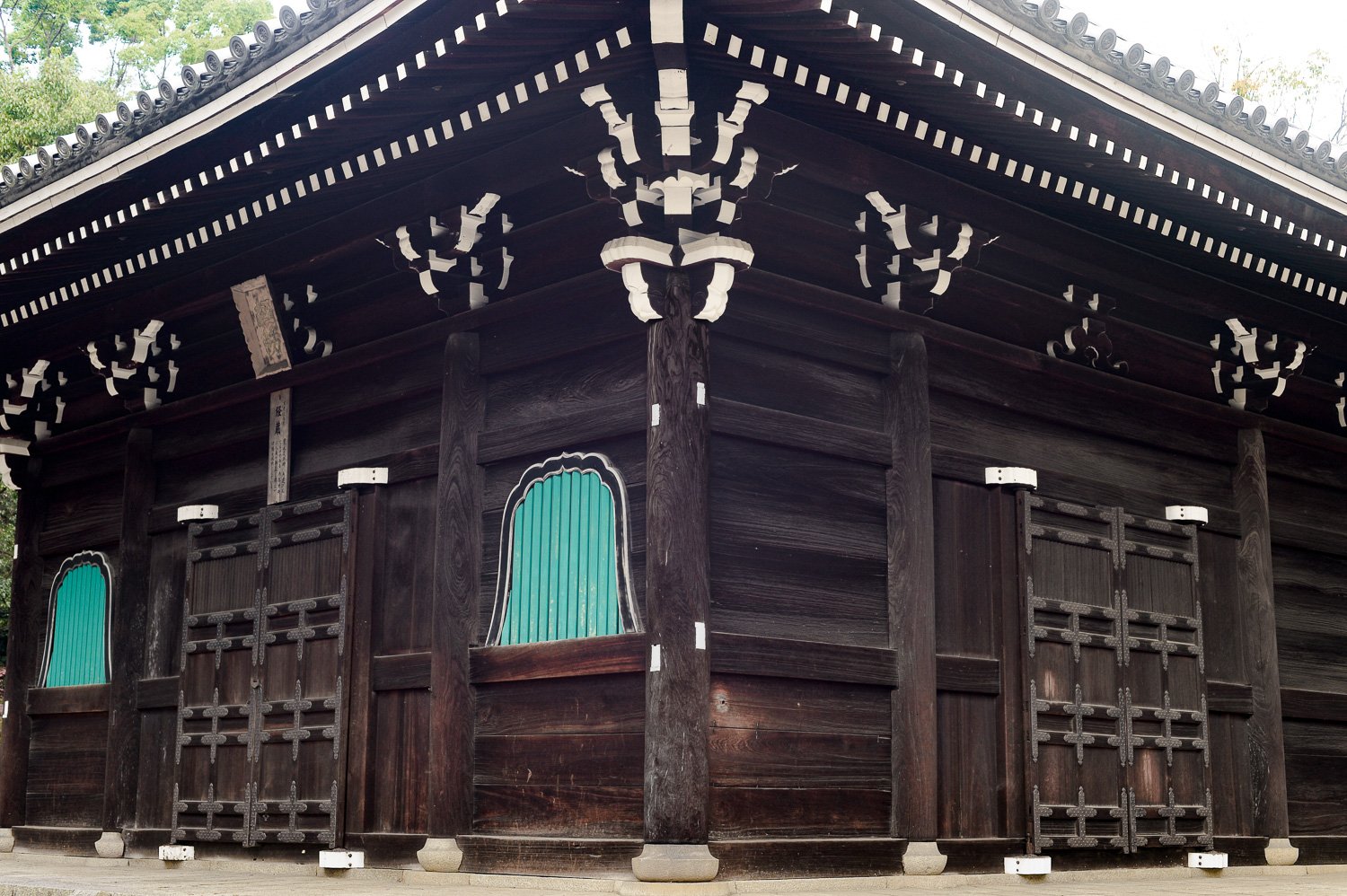
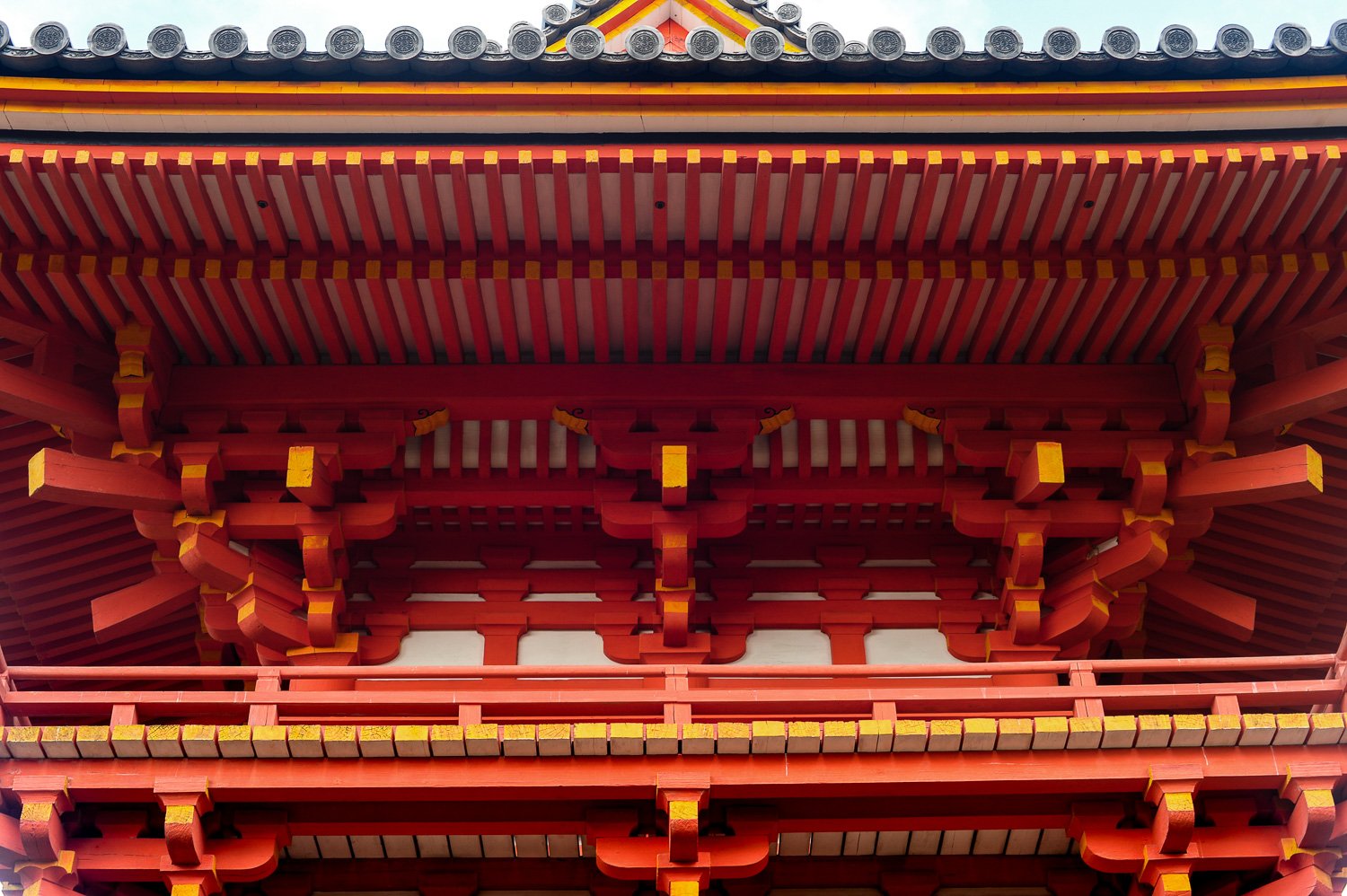
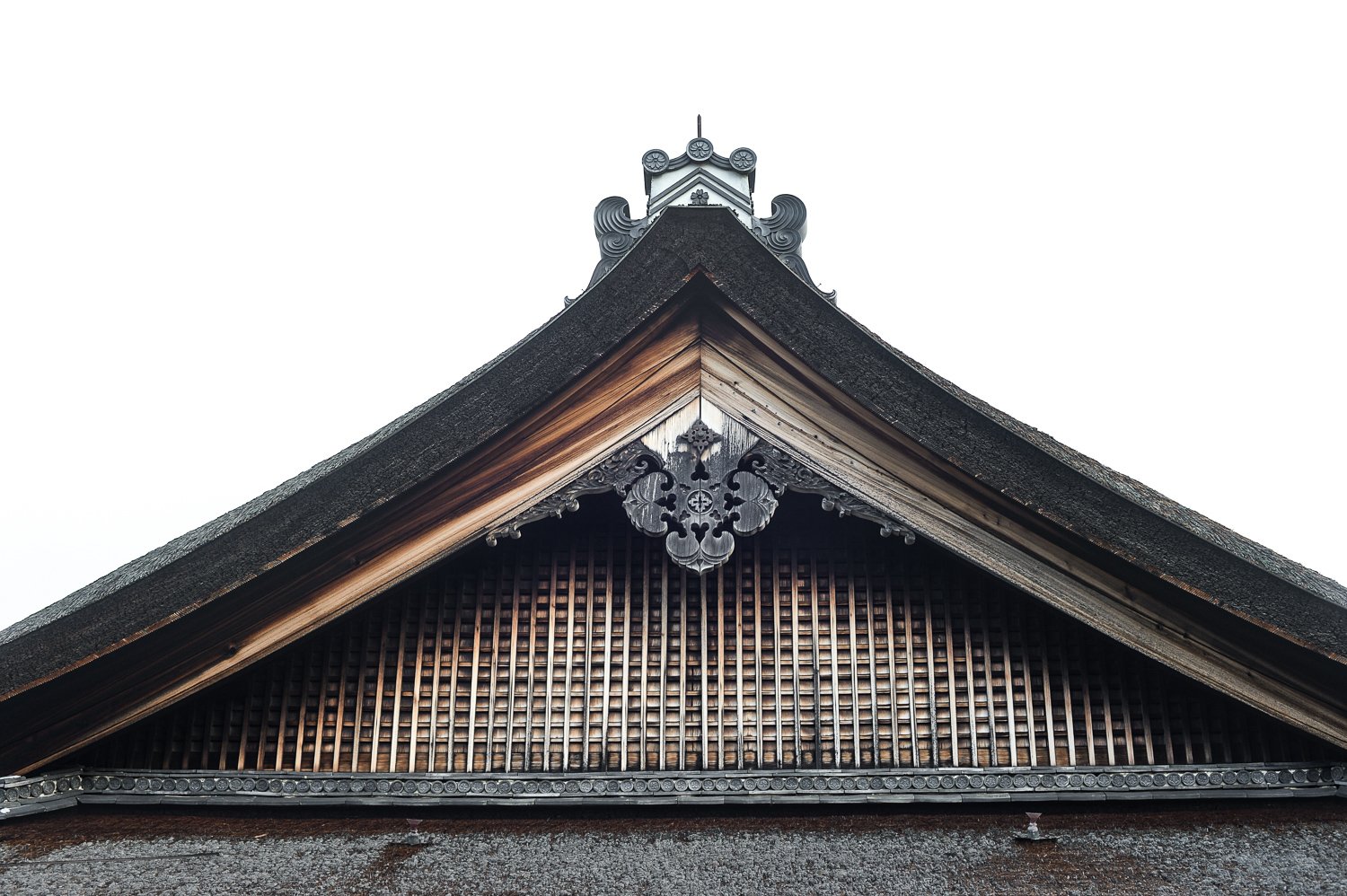
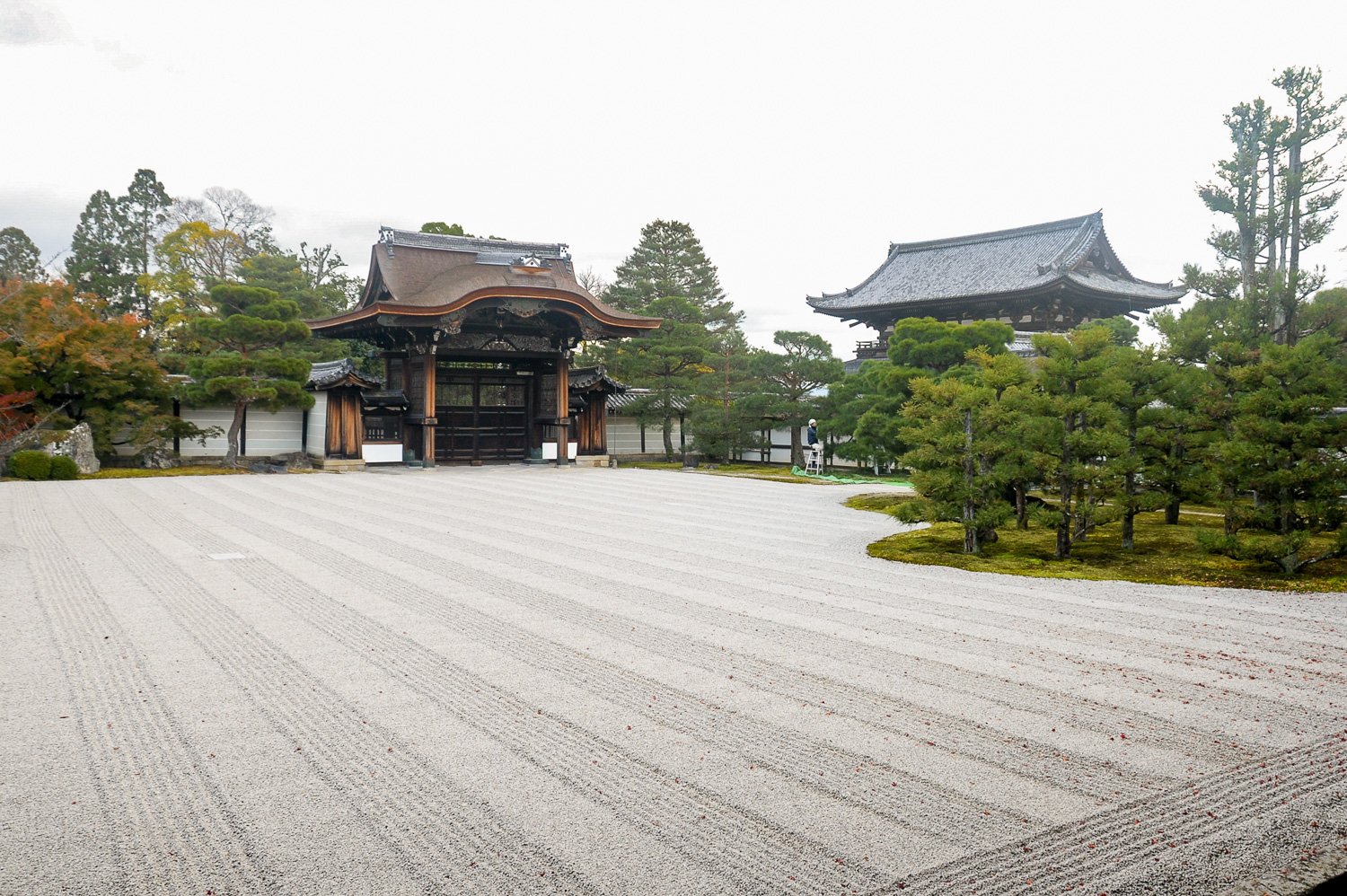
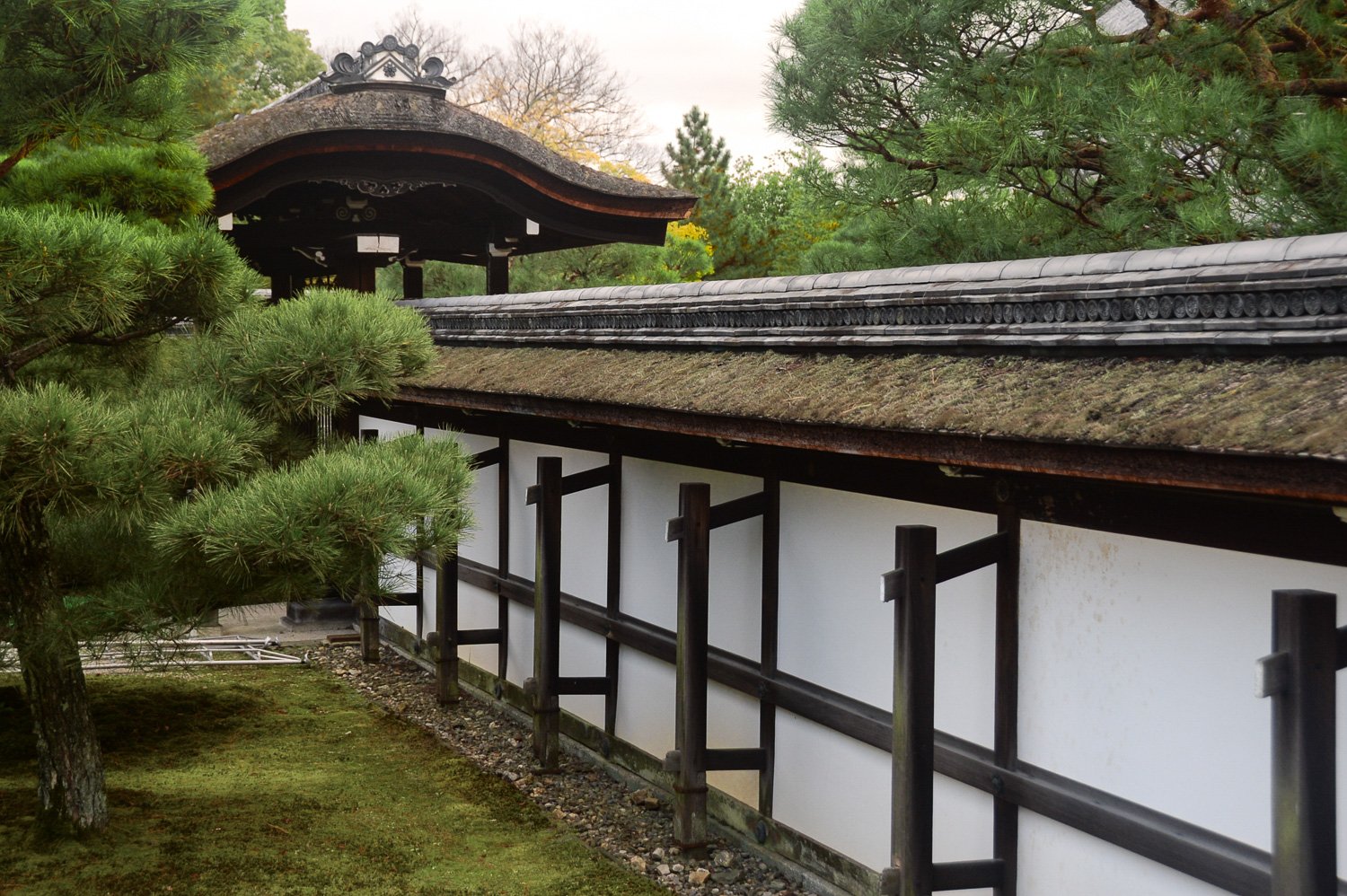
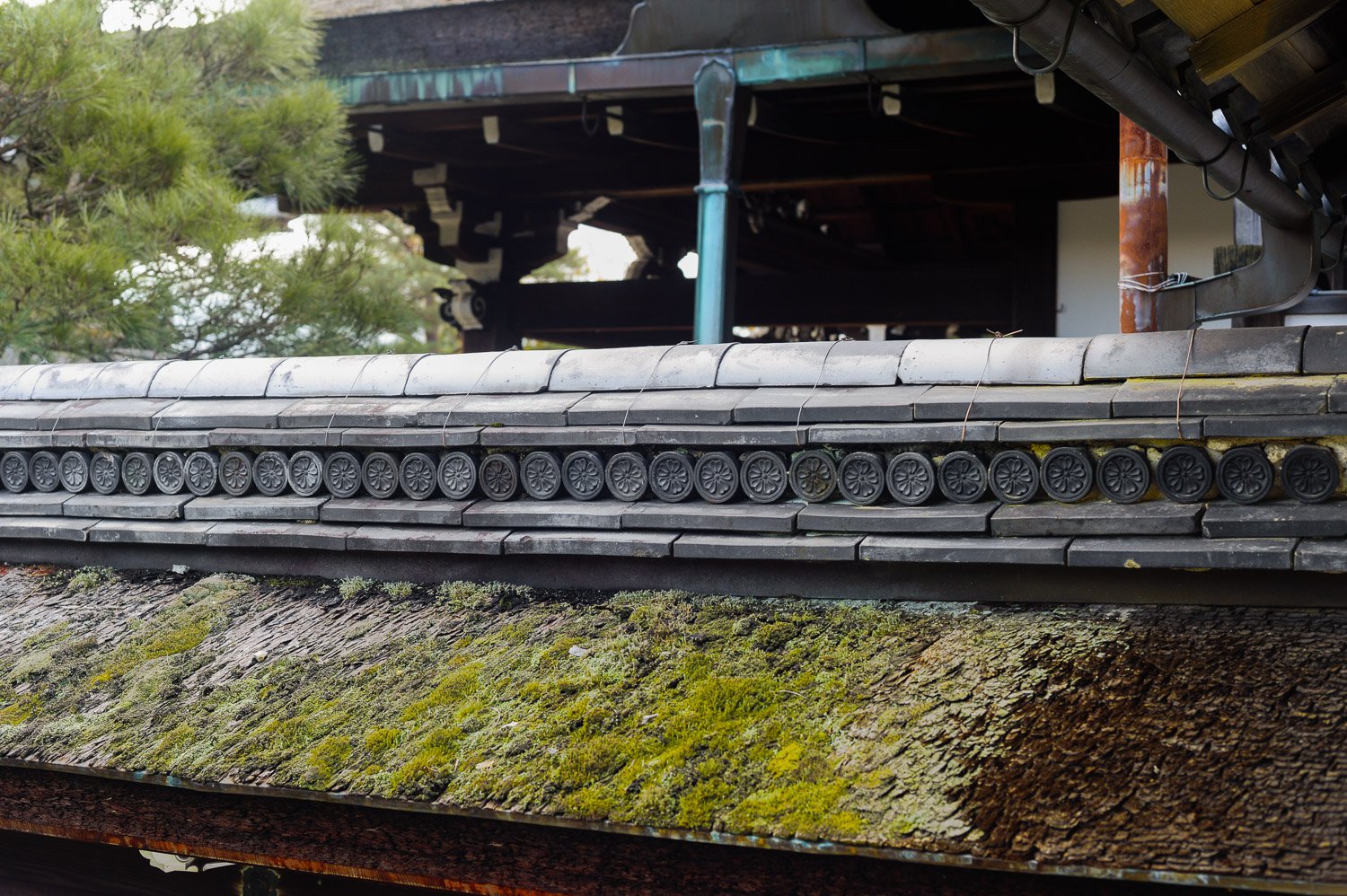
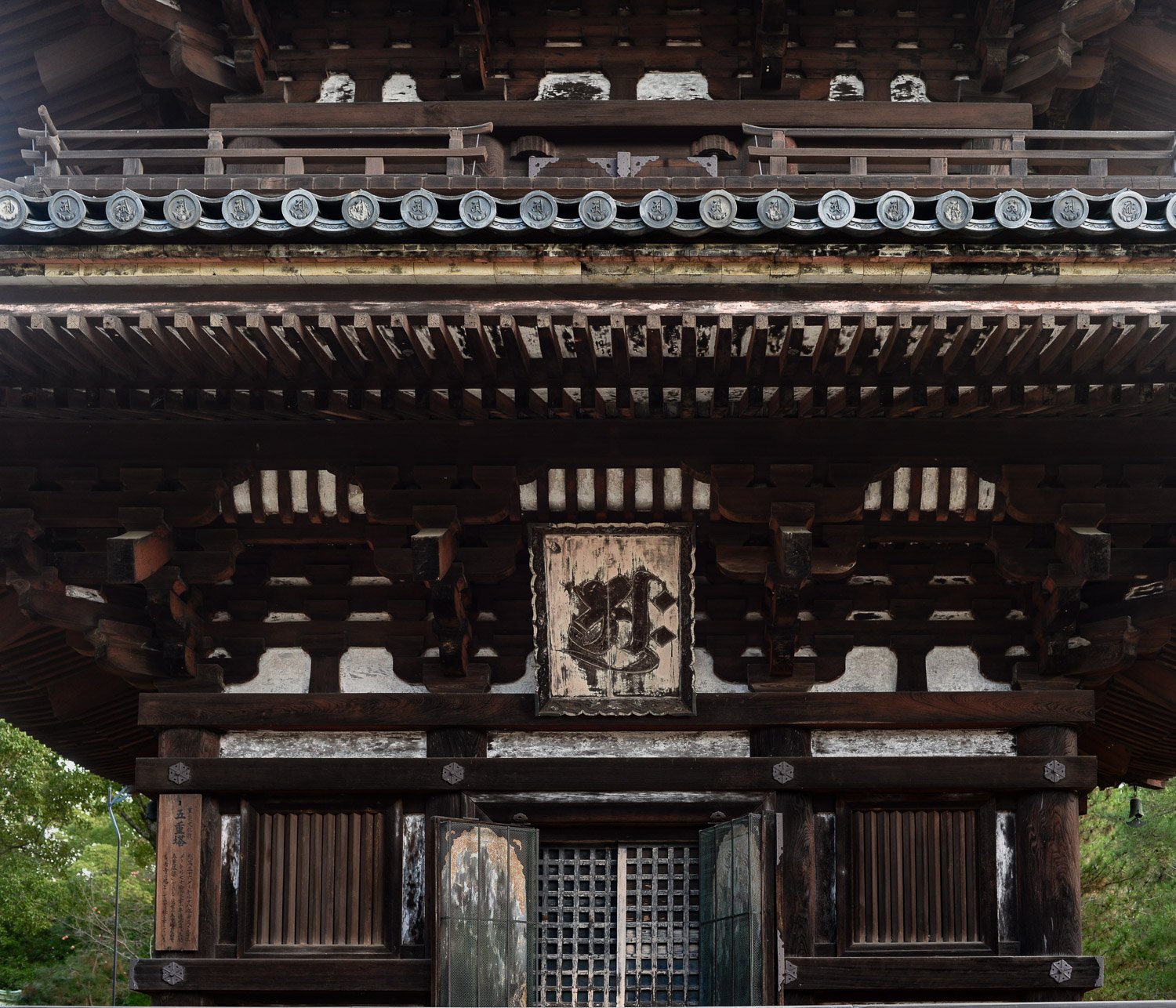
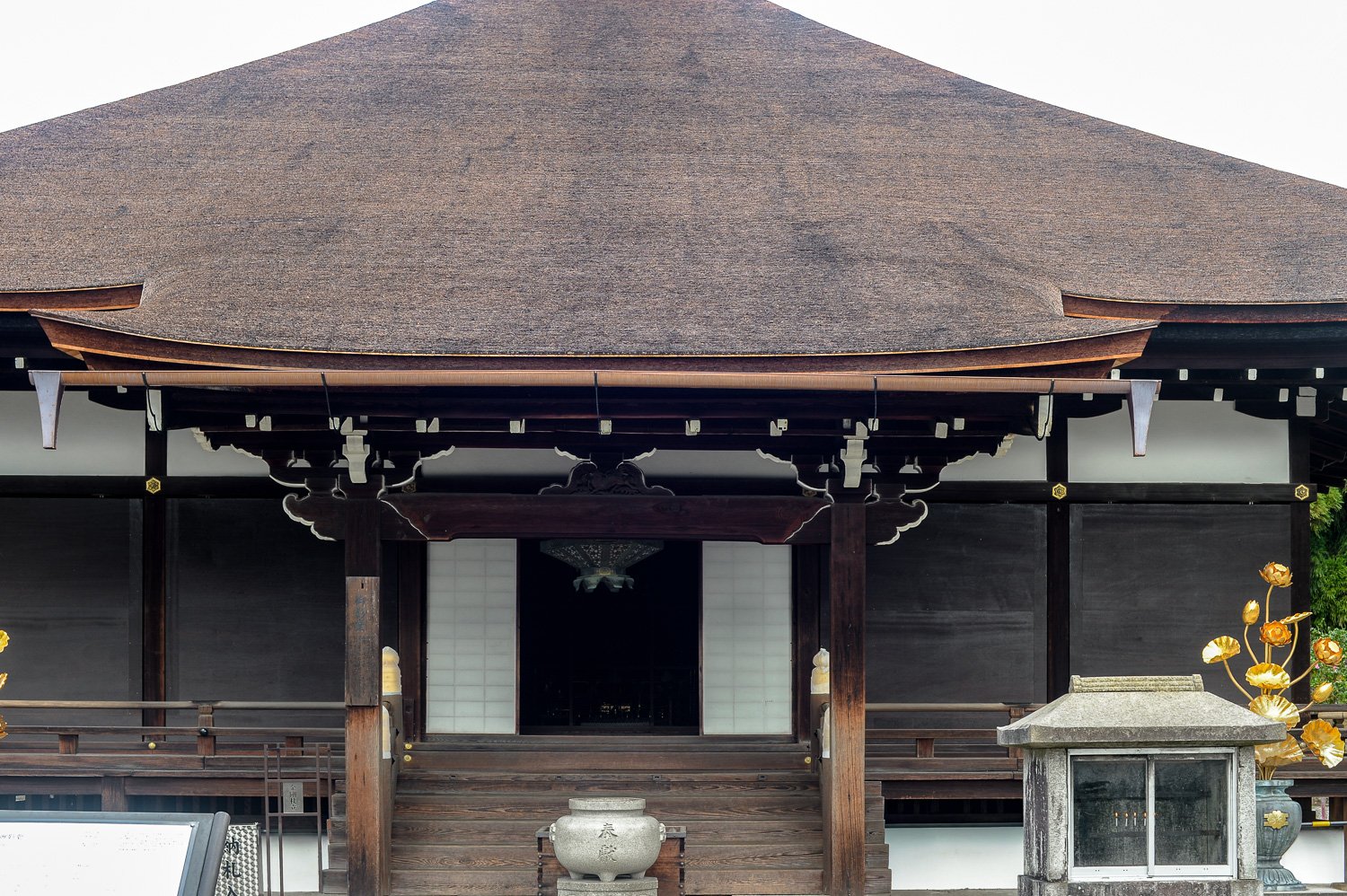
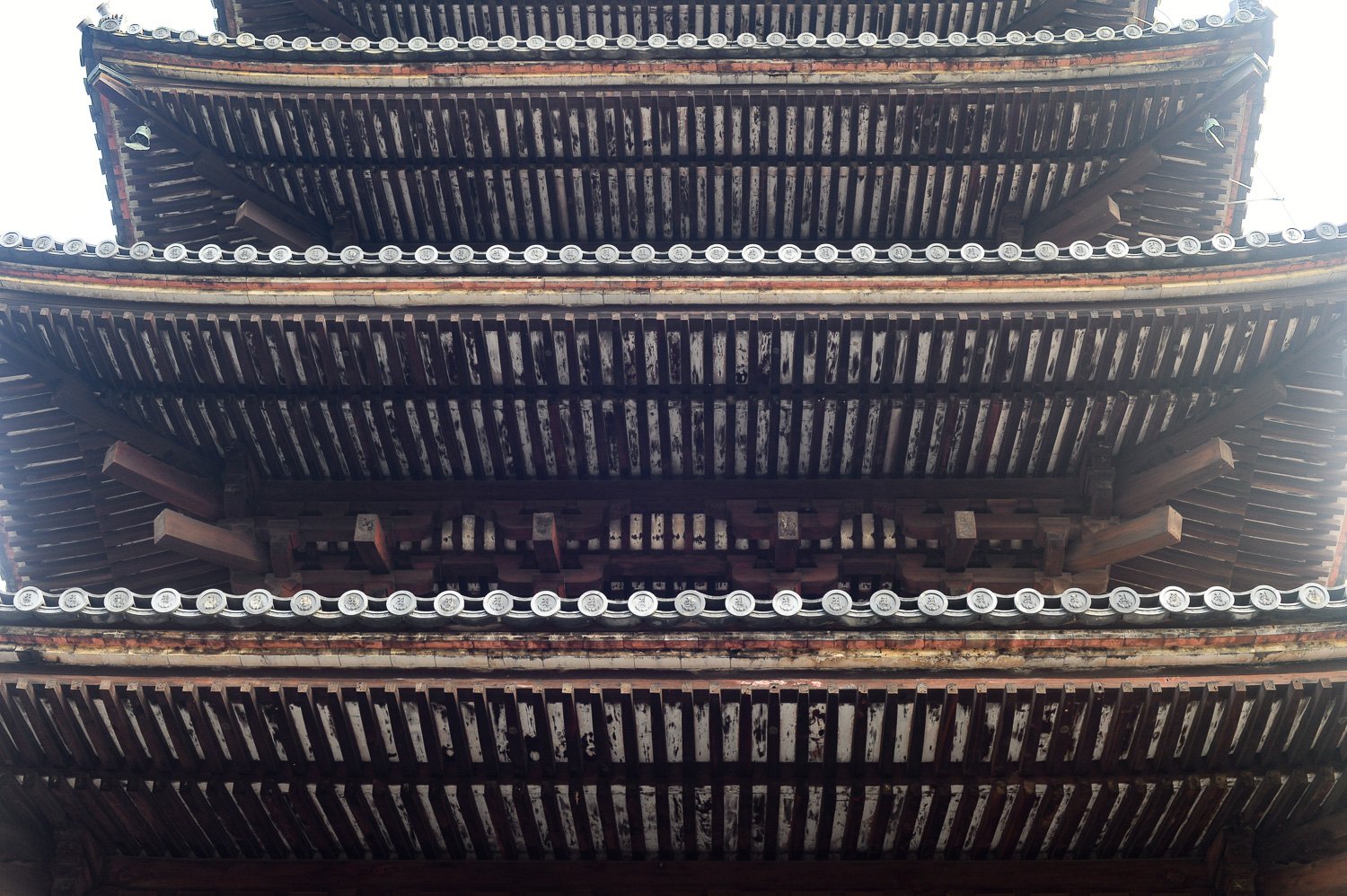
Though the original Heian-period (9th century) buildings were lost long ago, the surviving architecture from the early Edo period (1600s) still whispers of its past. The great Niomon gate welcomes visitors with its guardian statues, the Chumon inner gate leads further inward, and the Kannon Hall and five-storied pagoda rise with quiet dignity, unchanged in their grace for more than 400 years.
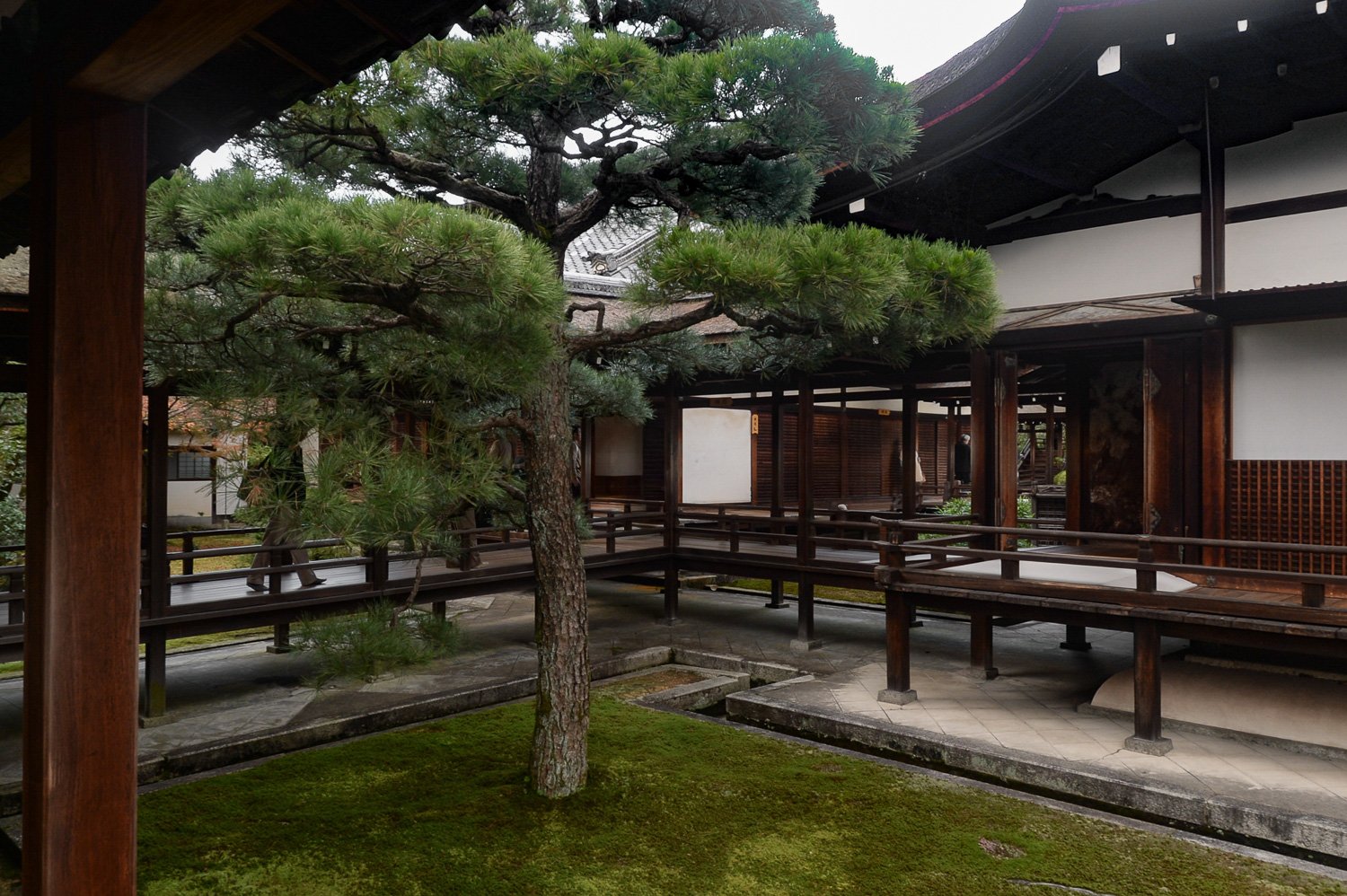
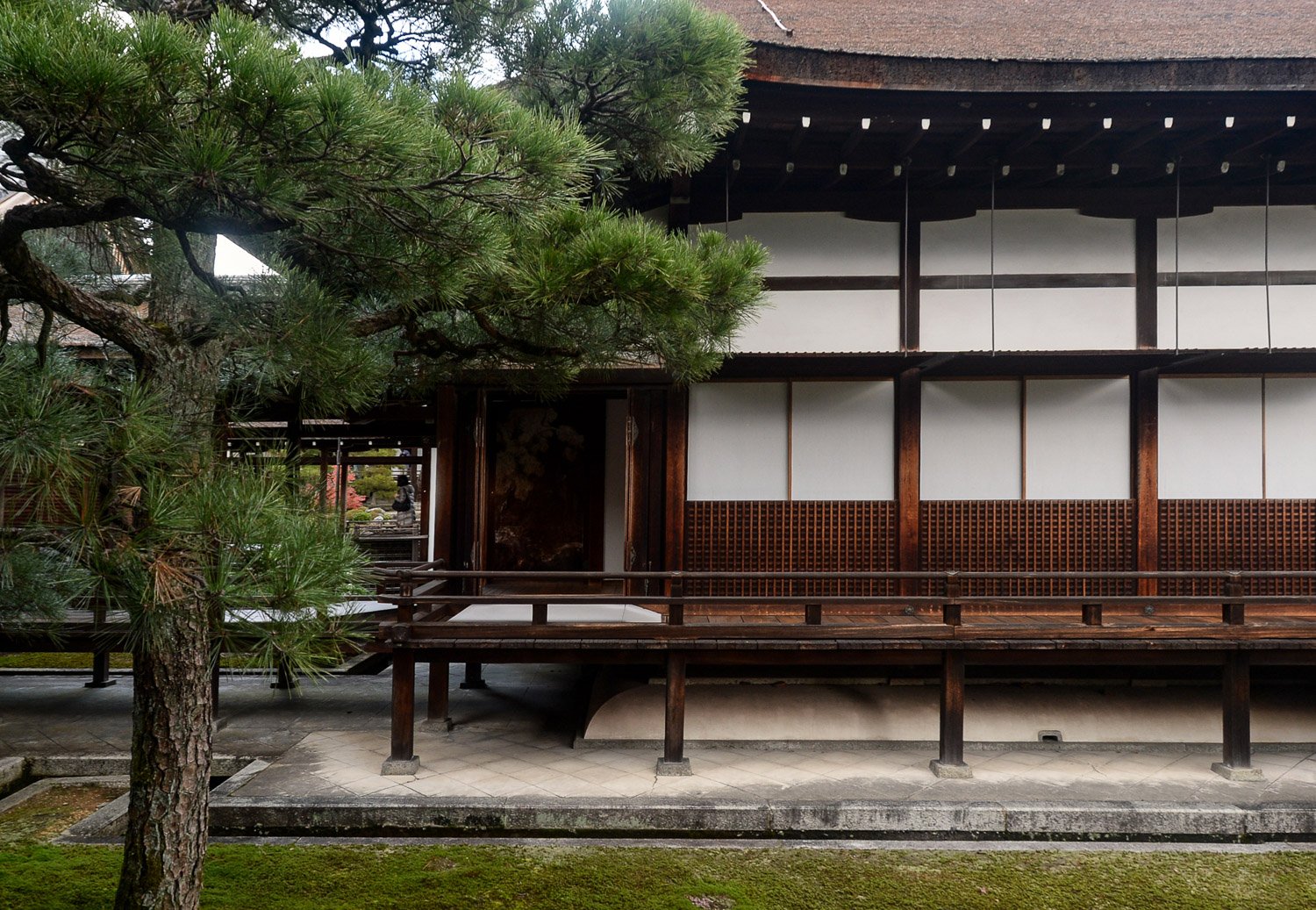
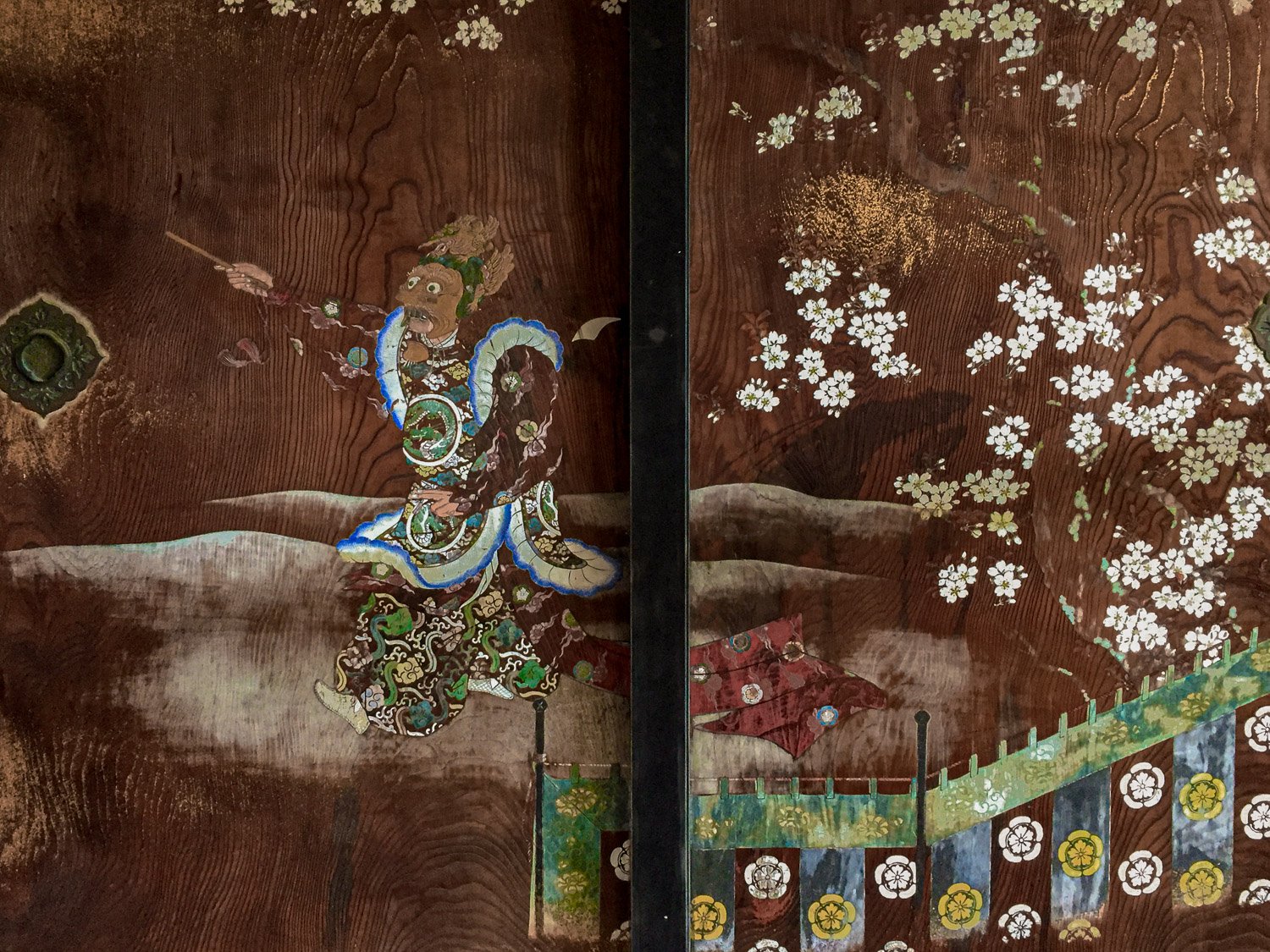
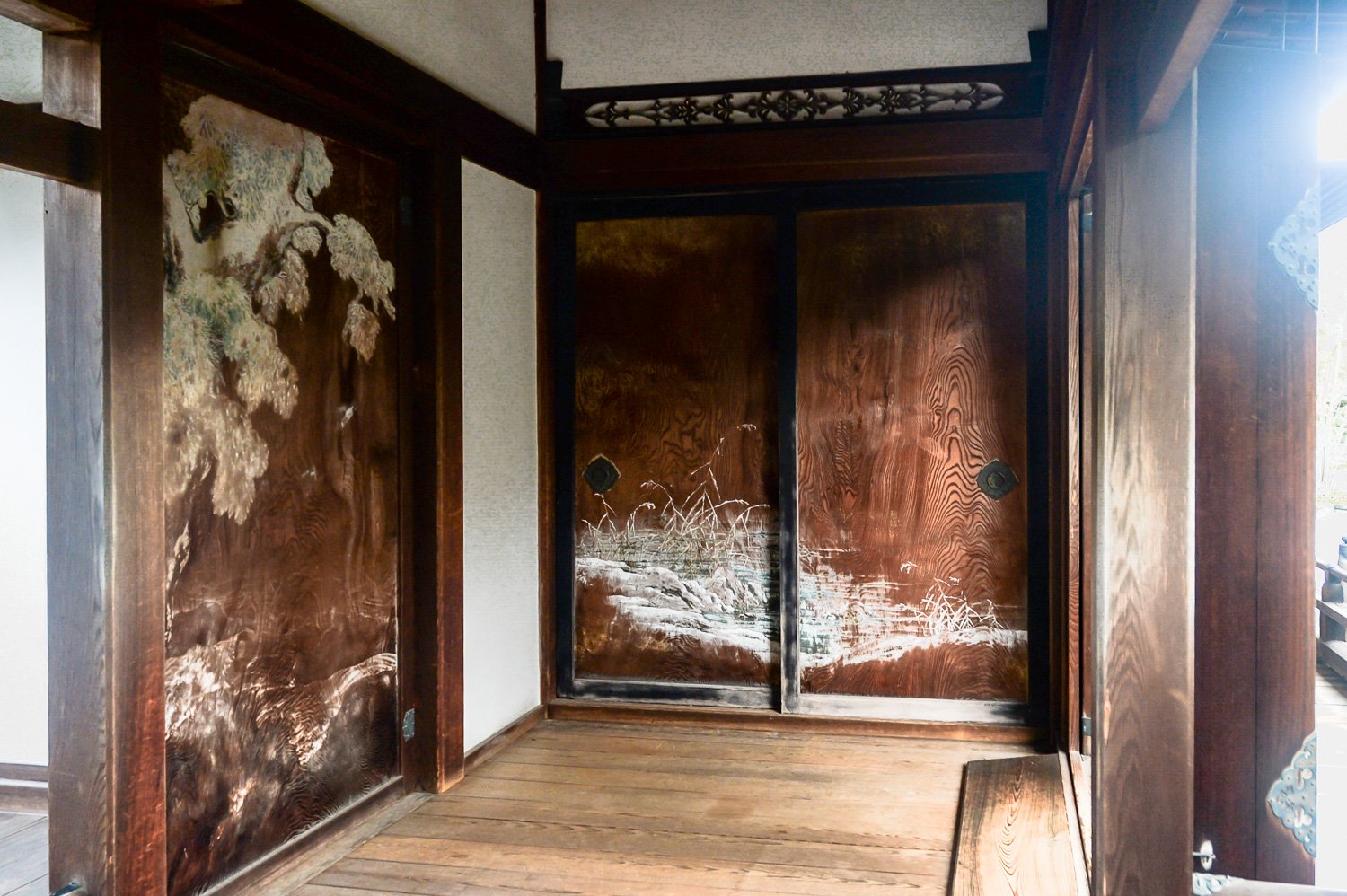
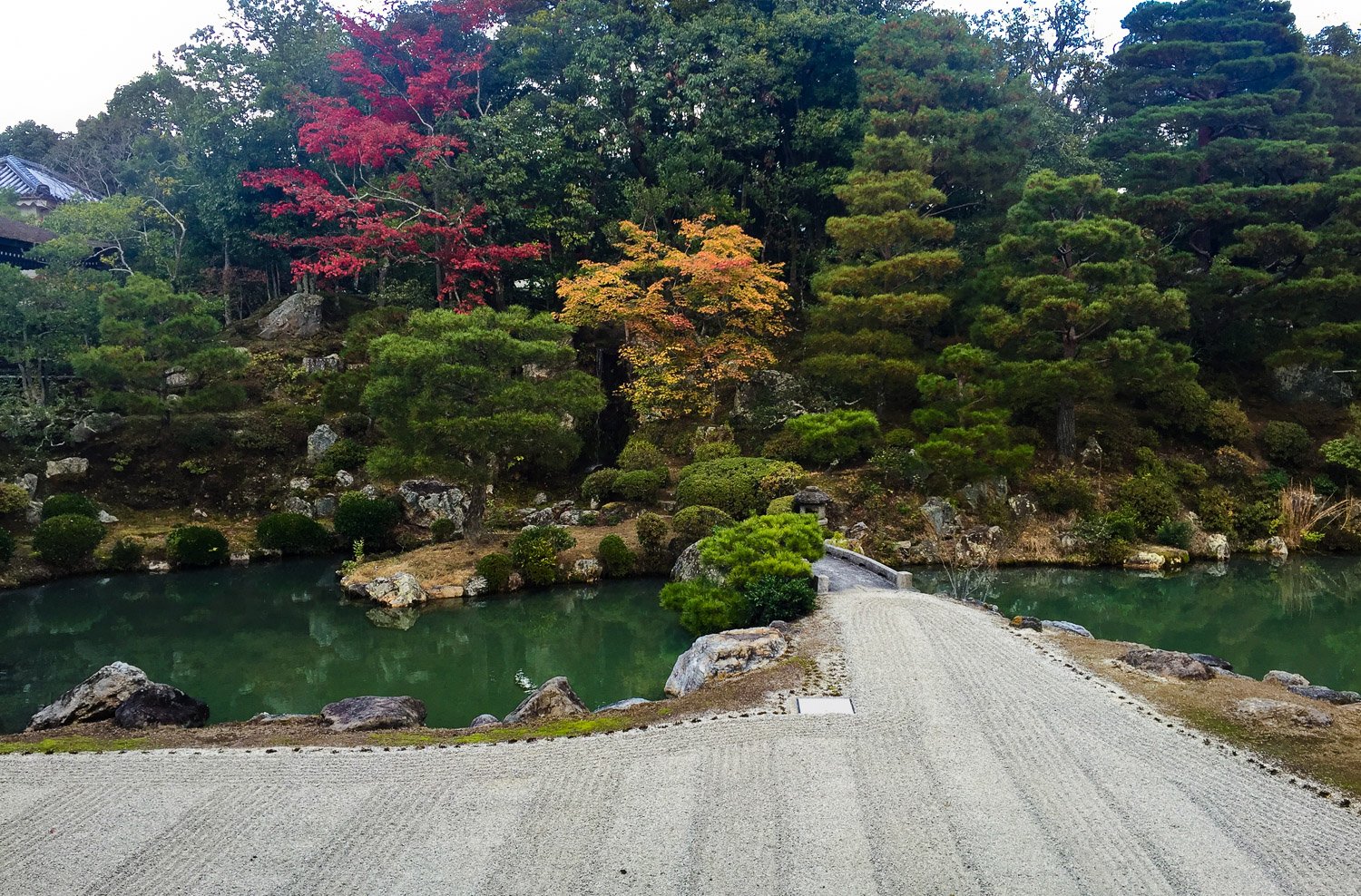
In the southwestern corner lies the Goten, once the residence of the temple’s head priest. Here, sliding doors (Fusuma) open onto a garden of raked stones, moss, and a shimmering pond. It is a space designed not to impress, but to still the mind. Perhaps the most beloved treasure of Ninna-ji appears in spring. The temple’s Omuro cherry trees, a rare variety that blooms later than Kyoto’s famous blossoms, create a grove unlike any other. Their blossoms spread low and wide, so close you feel as though you could step into clouds.
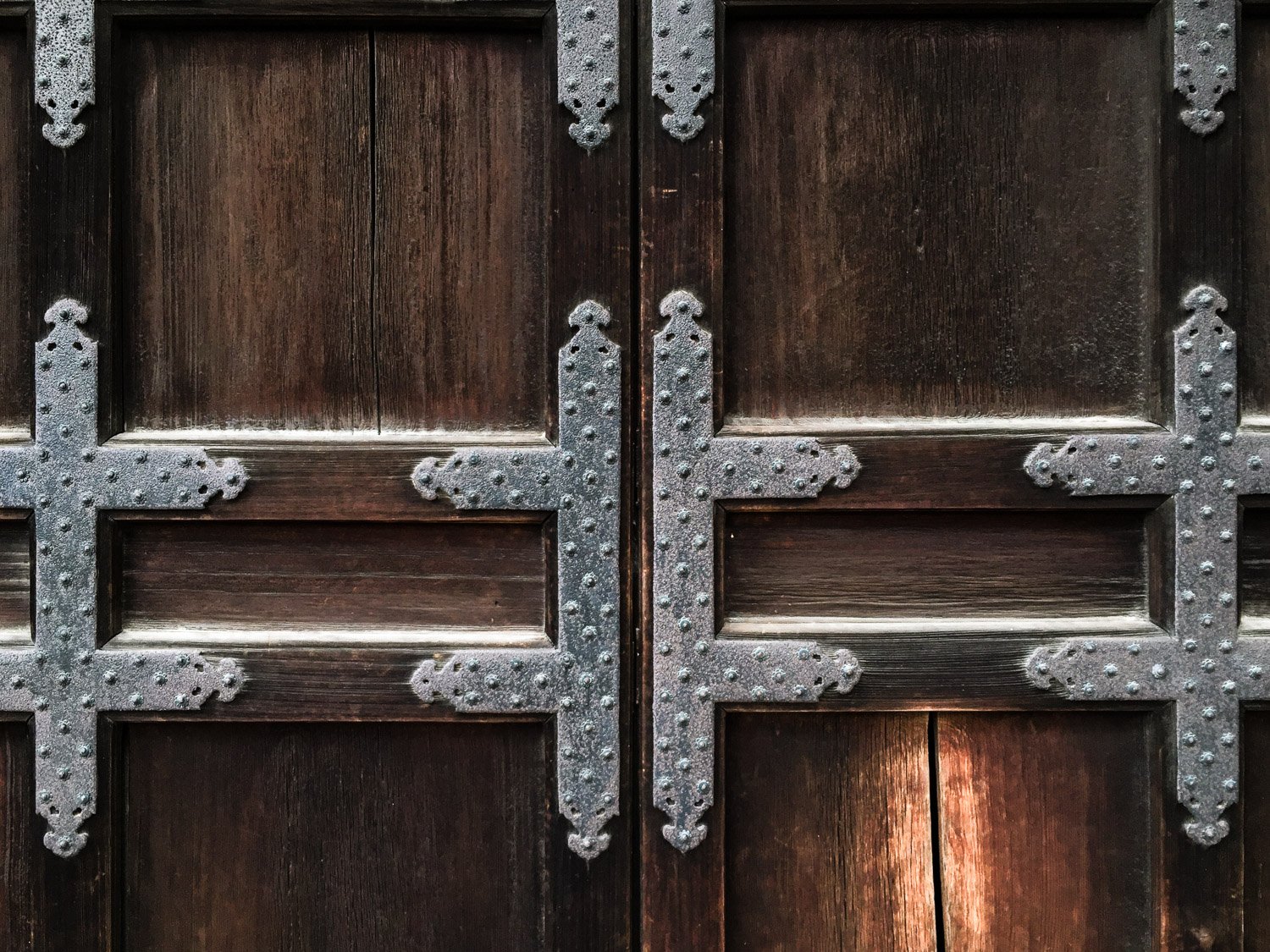
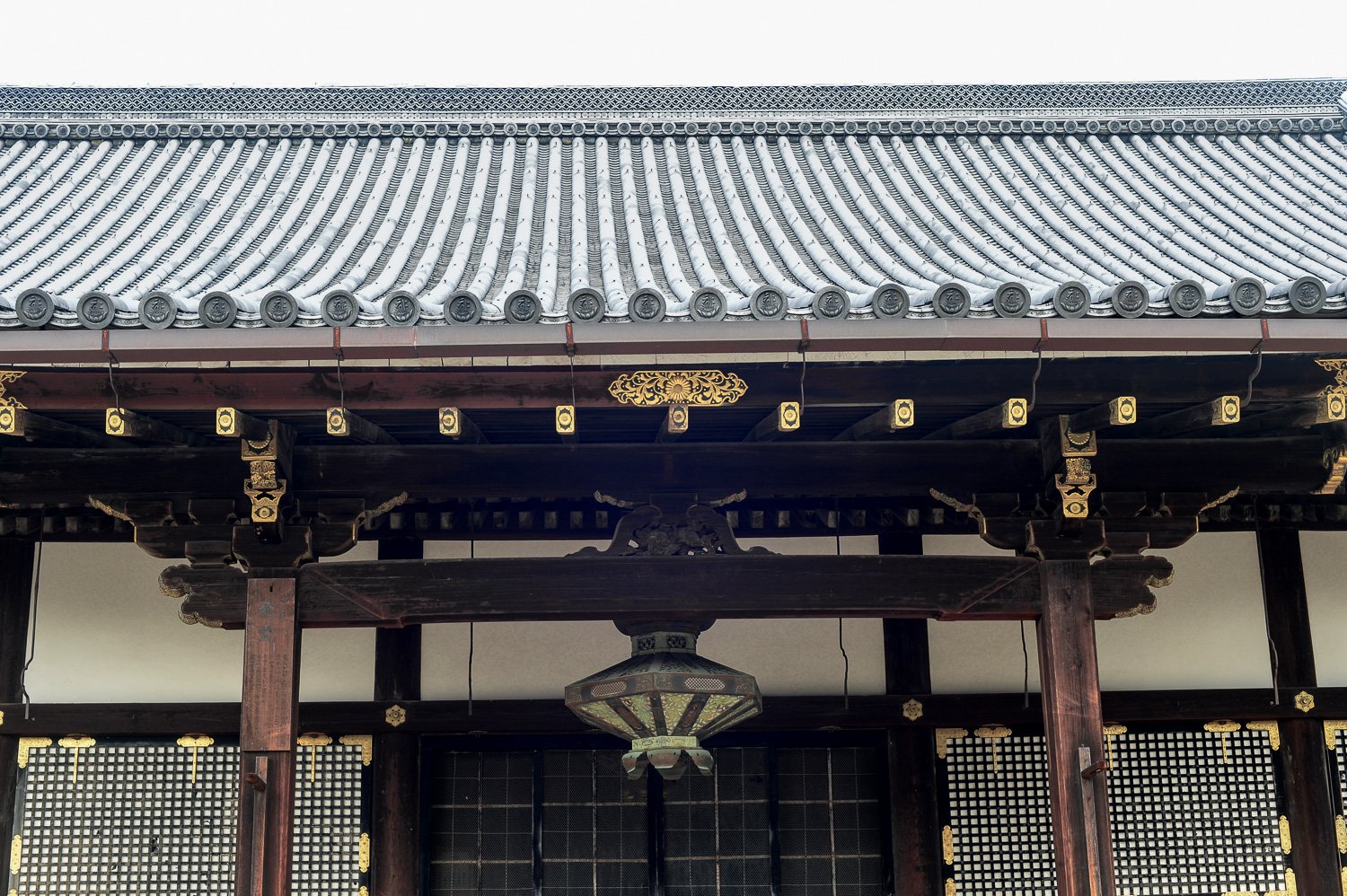
仁和寺  Ninna-ji Temple
(81)  75.461.1155
33 Omuroouchi, Ukyo-ku, Kyōto Prefecture 616-8092, Japan
 www.ninnaji.or.jp